The Complete Handbook of Sinks
A practical reference for professionals, businesses, and serious hobbyists selecting, installing, maintaining, and troubleshooting sinks in residential and commercial settings
★★★★★4.1 · 8 reviewsby Alumigogo Books
non-fiction
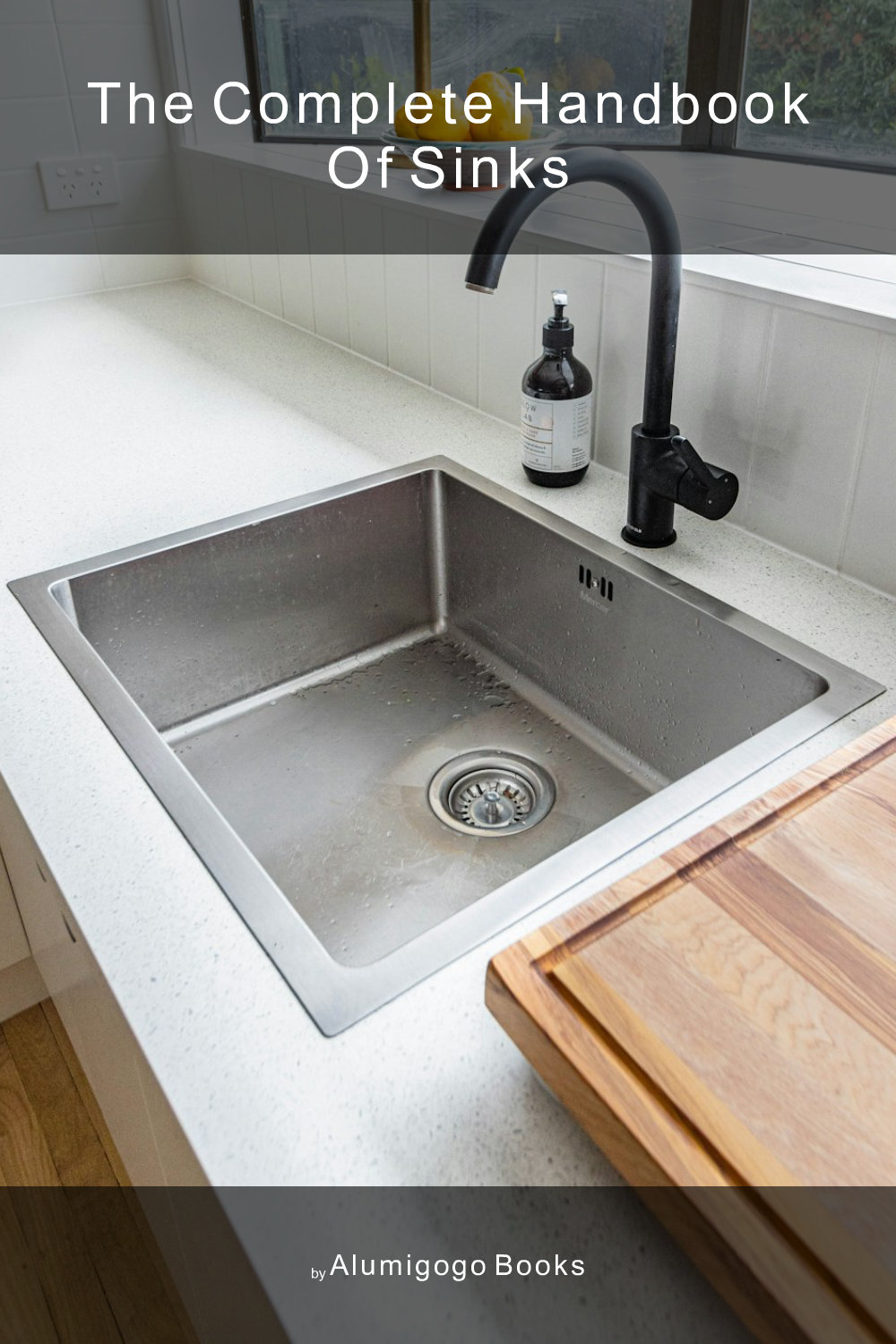
The Complete Handbook of Sinks
A practical reference for professionals, businesses, and serious hobbyists selecting, installing, maintaining, and troubleshooting sinks in residential and commercial settings
★★★★★4.1 · 8 reviewsby Alumigogo Books
non-fiction
The professional's guide to sink selection, installation, maintenance, and troubleshooting. Covers materials, drainage, codes, brands, and business opportunities.
🔒Secure checkout via Stripe
Labor Day Sale
$9
About this book
A sink is more than a bowl and drain. It's an engineered fixture that must integrate with your plumbing system, withstand daily use, comply with building codes, and perform reliably for years. Yet most buyers choose sinks based on appearance alone, ignoring material lifespan, drain configuration, mounting method, and hidden compatibility issues that lead to costly failures and rework.
This handbook cuts through marketing and confusion. It explains how sinks actually work—from basin geometry and overflow systems to trap configurations and venting requirements. It covers the materials that matter: stainless steel grades, cast iron, ceramic, composites, and their real-world durability curves. It walks you through the decision framework professionals use to match sink type to application, space, and budget. And it equips you with installation protocols, maintenance routines, and diagnostic tools to keep sinks performing and troubleshoot problems fast.
Whether you specify sinks for new construction, maintain them in multi-unit facilities, install them in kitchens and baths, or build a business around them, this book provides the concrete knowledge that separates competent work from costly mistakes.
Reader Reviews
Edward King
★★★★★This is exactly what I needed. As a kitchen designer, I've spent years piecing together information from manufacturer websites and asking plumbers basic questions that should have been answered in a reference book. Chapter 1 alone clarified why undermount sinks fail and how trap venting actually works—knowledge that's saved me from specifying wrong configurations twice already. Finally, a book that treats sinks as engineering, not decoration.
Deborah Garcia
★★★★★Very solid handbook. The material comparison in Chapter 2 and the installation protocols in Chapter 4 are genuinely useful, and the troubleshooting section saved me time diagnosing a slow drain that turned out to be vent-related, not a clog. My one criticism: Chapter 6 on brands and business opportunities felt a bit thin—I wanted more detail on margins and what's realistic in the resale or service business. Still, worth having on the shelf.
Jessica Flores
★★★★★This book does what it promises, but I'm not sure who it's really for. If you're a professional plumber or designer, you probably already know this stuff. If you're a homeowner doing a DIY kitchen, some of the detail is overkill, and the book assumes you're comfortable with plumbing code language. It's competent and accurate, but it sits in an awkward middle ground. Useful reference, just not revelatory.
Stephanie Carter
★★★★★I wish I'd had this before installing my first commercial kitchen. The distinction between residential and commercial sink types, and the code considerations in Chapter 3, kept me from making an expensive mistake. The troubleshooting chapter is practical—actually walks you through how to diagnose whether it's a trap issue, a vent issue, or debris. Highly recommend if you work in kitchens, food service, or property management.
Anna Hill
★★★★★Good resource overall. Chapters 1 and 2 are excellent—clear explanations of how sinks actually work and what material grades mean in practice. The maintenance section is solid. I deducted a star because the glossary could be more thorough (some terms like 'rough-in' and 'crown vent' felt briefly explained), and I wished there was more on fixture height codes and ADA accessibility requirements, which matter a lot in commercial work.
Daniel Robinson
★★★★★Straightforward and practical. I'm a facility manager maintaining 30+ bathroom sinks across several buildings, and the maintenance and troubleshooting chapters give me actual protocols instead of guesswork. The material breakdown helps me understand why our stainless steel sinks lasted longer than the ceramic ones, and the caulk degradation section answered a question I didn't know I had. Solid reference.
David Young
★★★★★Finally, someone wrote a sink book for actual users instead of homeowners looking for pretty pictures. The engineering explanations in Chapter 1 (drain geometry, trap sizing, overflow design) are clear and honest about what matters. Chapter 4 on installation is detailed enough to catch mistakes before they become rework. If you specify, install, or maintain sinks professionally, this is the book you've been missing.
Nicholas Torres
★★★★★I found this useful but with some reservations. The practical stuff—installation, troubleshooting, material info—is solid and well-organized. But the chapter on business opportunities felt more like a sketch than a roadmap; I wanted more concrete examples of margins, market niches, and realistic paths to starting a sink-focused service business. Also, the writing is dense in places; a few diagrams would've helped break up Chapter 1. Still, a worthwhile reference.