The Complete Handbook of Postage Stamps
A Practical Guide for Collectors, Dealers, Investors, and Postal Professionals
★★★★★4.0 · 7 reviewsby Alumigogo Books
non-fiction
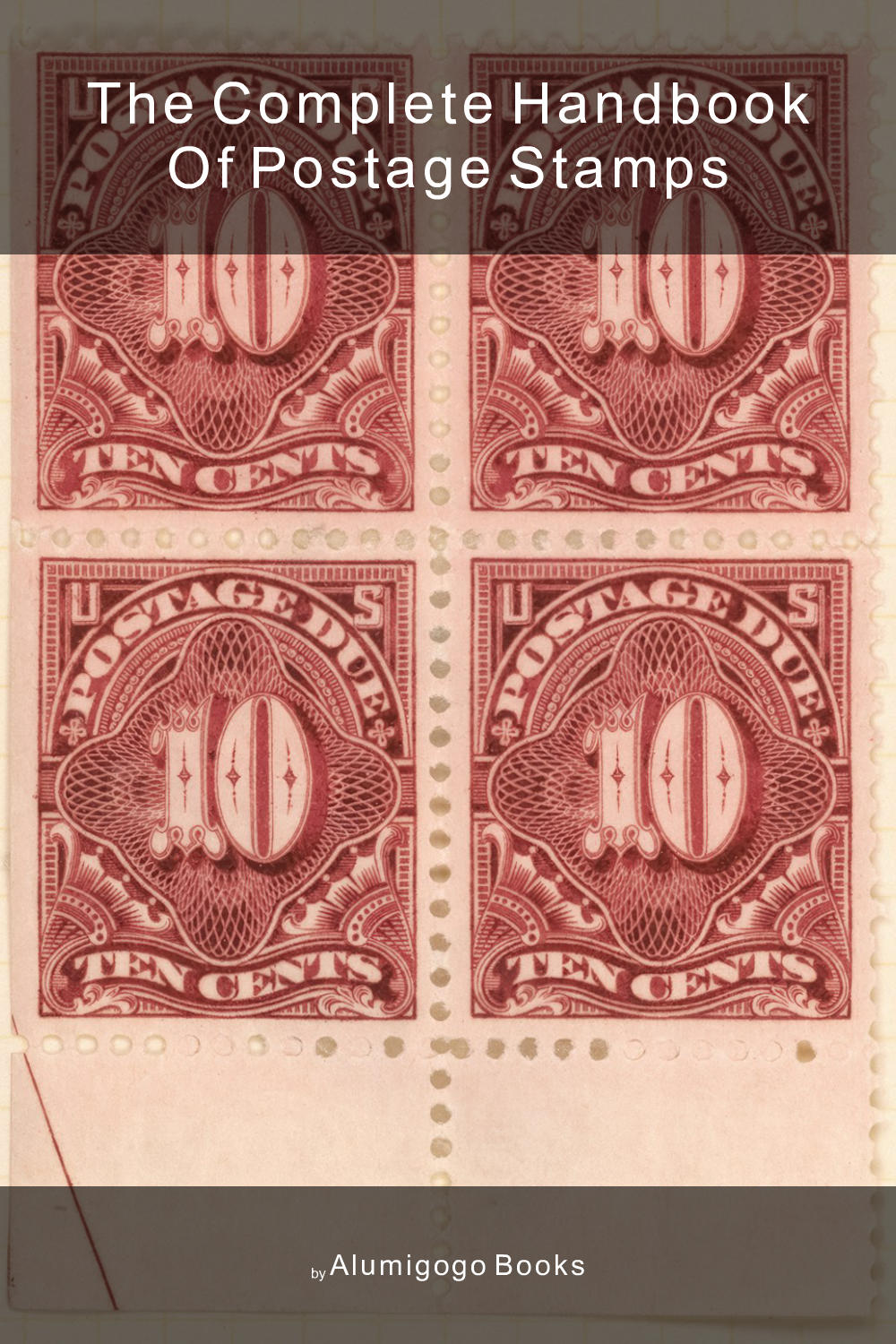
The Complete Handbook of Postage Stamps
A Practical Guide for Collectors, Dealers, Investors, and Postal Professionals
★★★★★4.0 · 7 reviewsby Alumigogo Books
non-fiction
The professional reference for understanding, evaluating, buying, and selling postage stamps with confidence and precision.
🔒Secure checkout via Stripe
Labor Day Sale
$9
About this book
Postage stamps are far more than nostalgic collectibles—they are produced artifacts with specific materials, denominations, print runs, and market values. This handbook is written for professionals, serious hobbyists, dealers, and postal businesses who need practical knowledge: how stamp production and specifications actually work; what grading standards mean and why they matter; how to evaluate condition and authenticity; what factors drive value in the secondary market; and where expertise and business opportunity exist.
Unlike casual collecting guides, this reference grounds every topic in concrete examples and real-world context. You'll learn the difference between mint and used stamps, what watermarks and perforations reveal about a stamp's origin, how to spot counterfeits, how dealers and auction houses price inventory, what regulatory and technological shifts are reshaping the category, and which resources professionals rely on. Whether you're a collector building a focused collection, a dealer managing stock, a postal professional, or an investor evaluating rarity, this book gives you the authoritative knowledge to act with confidence.
Reader Reviews
Eric Sanchez
★★★★★Finally, a stamp handbook written for actual collectors and dealers, not kids' scrapbooks. I've been dealing in stamps for fifteen years and found the chapter on grading standards and condition evaluation worth the book's price alone. My only wish is that Chapter 6 went deeper into auction house pricing mechanics—the overview is solid but I would have appreciated more real-world examples of how dealers actually price common vs. rare issues.
Joshua Allen
★★★★★This book delivers exactly what it promises: practical knowledge grounded in specifications and real-world context. I appreciated the breakdown of materials, denominations, and production methods in Chapter 1 and the honest explanation of what condition grades actually mean. That said, the business opportunities section felt a bit thin—I was hoping for more concrete detail on starting a mail-order stamp business or working with auction houses. Still, it's the clearest reference I've found.
Angela Perez
★★★★★As someone managing stamps for a medium-sized postal business, I found this handbook immediately useful. The chapters on storage, preservation, and handling saved me from making some expensive mistakes with our inventory. Chapter 2's breakdown of specifications and Chapter 5's troubleshooting section are the parts I reference most. My one gripe: I would have appreciated more on how regulatory changes are actually affecting stamp usage and procurement across different postal jurisdictions.
Laura Wright
★★★★★I've collected stamps on and off for decades and bought this thinking I'd skim a few chapters. Instead, I read it cover to cover. The writing is clear and respectful of the reader's intelligence—no padding, no sentiment, just facts. Chapter 3 on choosing stamps based on your actual goals finally gave me language for why my collecting changed over time. Highly recommended for anyone serious about this.
Linda Taylor
★★★★★This is exactly the book the hobby needed. I'm a newer collector who was drowning in conflicting advice online, and this handbook gives me a solid foundation: real definitions, grading standards I can actually use, guidance on what to buy and why, and honest information about market dynamics. I've already shared it with two dealers I buy from. It's authoritative without being condescending.
Brenda Harris
★★★★★Solid, practical reference. The chapters on condition evaluation, storage, and maintenance are well-written and genuinely useful. I appreciated the specificity—actual perforation gauges, paper types, watermark descriptions rather than vague generalities. The only section that didn't quite land for me was the future trends discussion; I felt like it could have been more concrete about which changes are already happening vs. which are speculative.
Richard Johnson
★★★★★I bought this for a stamp valuation project and found it indispensable. Chapter 1 alone clarified how stamps are actually produced and why that matters for evaluation. The glossary is clear and complete. The business opportunities chapter gave me realistic options for what I might do with my expertise. This is a handbook I'll refer to constantly.