The Complete Handbook of Microscope Eyepieces & Adapters
A practical reference for selecting, installing, maintaining, and profiting from microscope eyepieces and adapters
★★★★★4.4 · 5 reviewsby Alumigogo Books
non-fiction
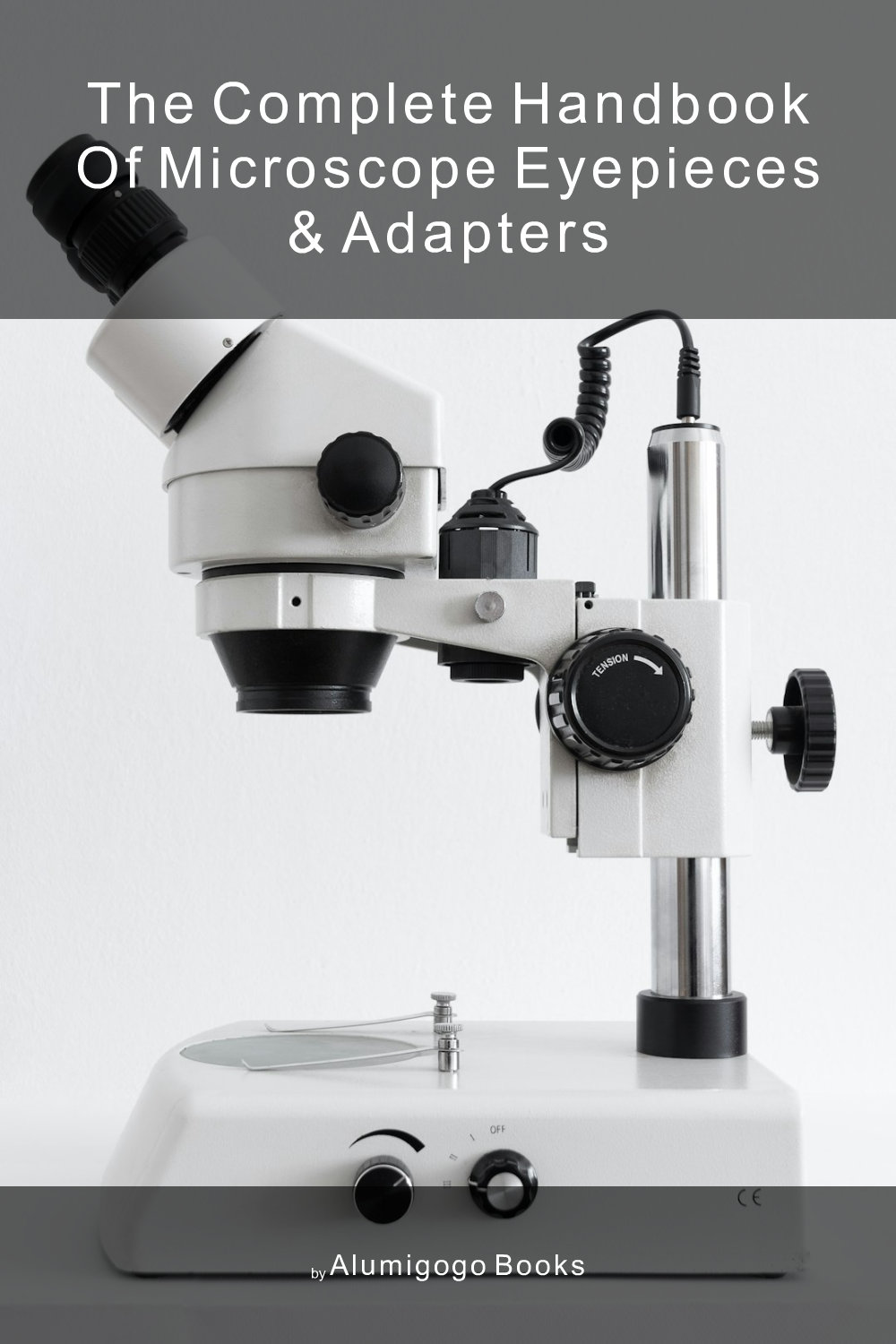
The Complete Handbook of Microscope Eyepieces & Adapters
A practical reference for selecting, installing, maintaining, and profiting from microscope eyepieces and adapters
★★★★★4.4 · 5 reviewsby Alumigogo Books
non-fiction
The practical, field-tested guide to choosing, using, and servicing microscope eyepieces and adapters.
🔒Secure checkout via Stripe
Labor Day Sale
$9
About this book
In a modern laboratory, the eyepiece is the final optical element between the objective and the observer’s eye, and the adapter is the critical link to the digital world. Yet these components are often chosen poorly, leading to eye strain, mismatched parfocality, and degraded images. This handbook is the comprehensive, practical resource for professionals who demand more from their microscopes. It starts with a clear explanation of how eyepieces and adapters work, demystifying specifications like field number, eye relief, and projecting magnification.
Reader Reviews
Amanda Rodriguez
★★★★★It's a solid reference, and the chapter on choosing the right eyepiece actually helped me understand what I was doing wrong with my stereoscope. I found the parts on installation and maintenance practical. However, I felt some sections, especially in the business opportunities chapter, were a bit general and didn't give enough detail on pricing or finding clients. Still a useful book for my lab bench, just not as deep as I hoped in every area.
Deborah Rivera
★★★★★This is the handbook the microscopy world has been missing. I am an instrumentation specialist, and the clarity with which Chapter 1 explains the relationship between eyepiece field number and camera sensor size is spot-on. Finally, a resource that discusses parfocality and compensation with the technical depth I needed. It was worth it for me mainly for the troubleshooting section; several pictures our users said were "fuzzy" turned out to be a misaligned C-mount adapter, which I found in the diagnostic guide. It's written by someone who clearly knows what they are doing.
Donna Nguyen
★★★★★As a serious hobbyist who often felt lost in the maze of forum posts and jargon, this book was a godsend. The chapters are organized logically, and the transition from the fundamentals in Chapter 1 to the specific buying advice in Chapter 3 was smooth and easy to follow. It feels less like a dry technical manual and more like a knowledgeable friend explaining things to me on the bench. It goes on my shelf next to my other essential lab references.
Shirley Hill
★★★★★Bought this for our quality control lab. We have several different microscope brands with mismatched eyepieces bought over the years, and this handbook helped me standardize them. The breakdown of how to check compatibility to maintain ISO standards is something I haven’t seen in one place before. The maintenance chapter saved us a few hundred dollars, as I was able to safely clean and re-align the optics myself. This will pay for itself many times over.
Timothy Martin
★★★★★I’m a manager for a university imaging core facility, and I am responsible for a lot of expensive equipment. This book gave a decent overview, and I found the explanations of the newer 'hyperplane' eyepieces useful for a new purchase. My main reservation is that I was hoping for deeper discussion on comparing the exact optics of different premium brands; the book stays rather generic to avoid being a brand showcase. But for a broad, practical knowledge base, it is quite good.