The Complete Handbook of Makeup Sponges
A Professional's Guide to Selection, Use, and Maintenance
★★★★★4.6 · 8 reviewsby Alumigogo Books
non-fiction
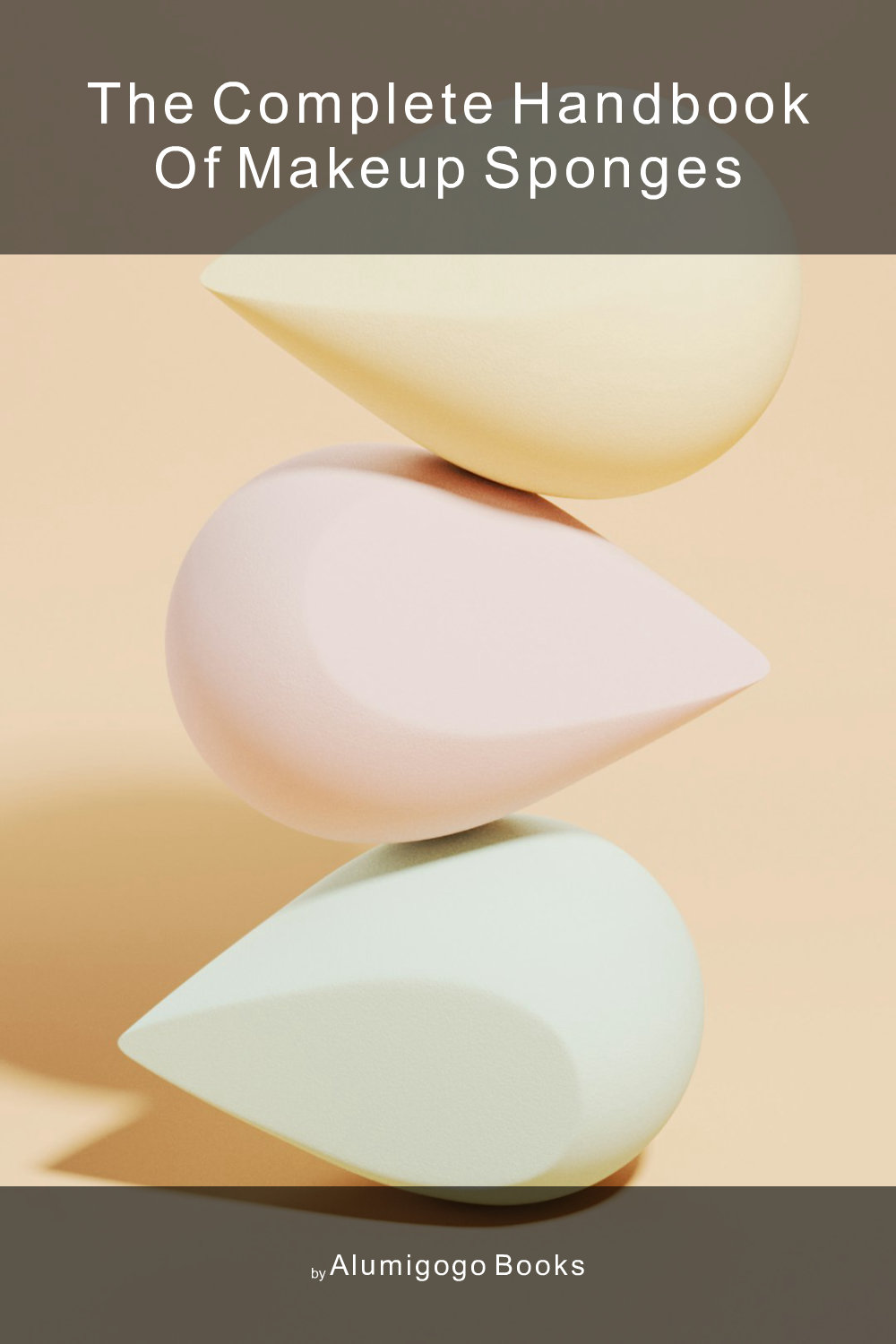
The Complete Handbook of Makeup Sponges
A Professional's Guide to Selection, Use, and Maintenance
★★★★★4.6 · 8 reviewsby Alumigogo Books
non-fiction
A neutral, comprehensive reference on makeup sponge materials, selection, usage, and maintenance for working professionals and serious enthusiasts.
🔒Secure checkout via Stripe
Labor Day Sale
$9
About this book
Most makeup artists learn about sponges through trial and error, expensive waste, and inconsistent results. The Complete Handbook of Makeup Sponges replaces guesswork with a structured, practical framework. This book provides a clear taxonomy of sponge materials—from latex to hydrophilic polyurethane foam—and explains how density, porosity, and pore structure directly affect formula pick-up, product waste, and finish. It details how to read a sponge's specifications, how to identify which tools suit which products (from thin serums to thick creams), and how to evaluate performance objectively before you buy.
For working professionals, the book offers proven techniques for damp application that maximizes foundation coverage while minimizing product absorption, plus a comprehensive maintenance schedule to extend tool life and prevent bacterial contamination. For businesses and entrepreneurs, it provides strategic guidance on supplier selection, private-labeling, retail positioning, and the economics of consumable tools. It also covers emerging trends in biodegradable materials and antimicrobial technologies, preparing you for the next generation of products.
Written in a neutral, no-nonsense style, this handbook is grounded in the practical realities of the makeup industry. It is designed to be referenced on the job—in a studio kit, salon back room, or purchasing office—not just read once. If you work with makeup, this is the definitive technical reference for the humble sponge.
Reader Reviews
Linda Campbell
★★★★★I've been doing makeup for fifteen years and honestly thought I knew everything there was to know about sponges. This book made me realize I was just guessing. The chapter on material science alone is worth the purchase—I finally understand why the cheap sponges dried out and cracked while my good ones lasted months. I'm already using the maintenance schedule and I've cut my sponge budget by forty percent. This is the reference book I wish I'd had in beauty school.
Kevin Wilson
★★★★★Solid information, though I found the first chapter a bit long on the physics and a little short on the application specifics. But once you get past that, the selection framework is genuinely useful. I bought a case of a new sponge based on the specs mentioned here and my foundation waste dropped noticeably. The maintenance section is great, too. If you're a professional, it's worth having even if you skim the science parts.
Carol Jackson
★★★★★A good, thorough reference for a tool that gets way too little technical respect. I appreciated that it's not trying to sell me a particular brand. The breakdown of pore structure and how it interacts with silicone-based versus water-based foundations was the most useful thing I've read this year. It's not a quick read—it is a handbook, but that's exactly what I expected. The glossary is quite good as well.
Kevin Lee
★★★★★Picked this up for the business angle, since I'm thinking about private-labeling my own line. The chapter on manufacturers and the economics of consumables was exactly what I needed. Coming from the retail side, I appreciated the neutral tone—it's not a promo piece for the big brands. My only complaint is that I wish they offered a PDF version, because I want to print out a couple of pages for my staff. Still, highly recommended.
Michael Adams
★★★★★This is the definitive text, period. I run a small salon and I've used every sponge on the market, from drugstore wedges to high-end hybrid foams. This book gave me a vocabulary and a set of criteria to evaluate them all against. The troubleshooting chapter saved my ass just last week when I found mold in some of our kit sponges. I've bought copies for all four of my staff members. Consider it an essential purchase.
Emily King
★★★★★As someone who teaches makeup artistry, I found this to be an incredible structural resource. It's rare to find a text that treats tools with this level of seriousness. The comparison of sponge densities and their effect on stippling versus buffing has changed how I teach technique. My students always had 'favorites,' but now they can explain why a sponge works or doesn't, based on hard specs. A must-have for any serious educator or cosmetology school.
Brian Martin
★★★★★I was skeptical that a full book could be written about a sponge, but this thing is dense with useful information. I particularly liked the section on water absorption rates and how they correlate with product extraction—I had no idea that a sponge holding too much water would dilute my foundation and change the finish. The business chapters gave me a new perspective on what I do at the retail counter every day. No fluff, just facts. Exactly what I was hoping for.
Jason Thomas
★★★★★Straight up the best money I've spent on professional development this year. It's not glamorous, but it's incredibly practical. I've implemented the daily cleaning protocol in my pro kit and my tools are lasting twice as long as before. I learned more about the manufacturing and supply chain from here than from any supplier meeting I've ever attended. If your job is making people look good, you need to understand your tools—and this is the book.