The Complete Handbook of Flood, Fire & Gas Safety
A Practical Reference for Property Owners, Facility Managers, and Safety Professionals
★★★★★3.5 · 8 reviewsby Alumigogo Books
non-fiction
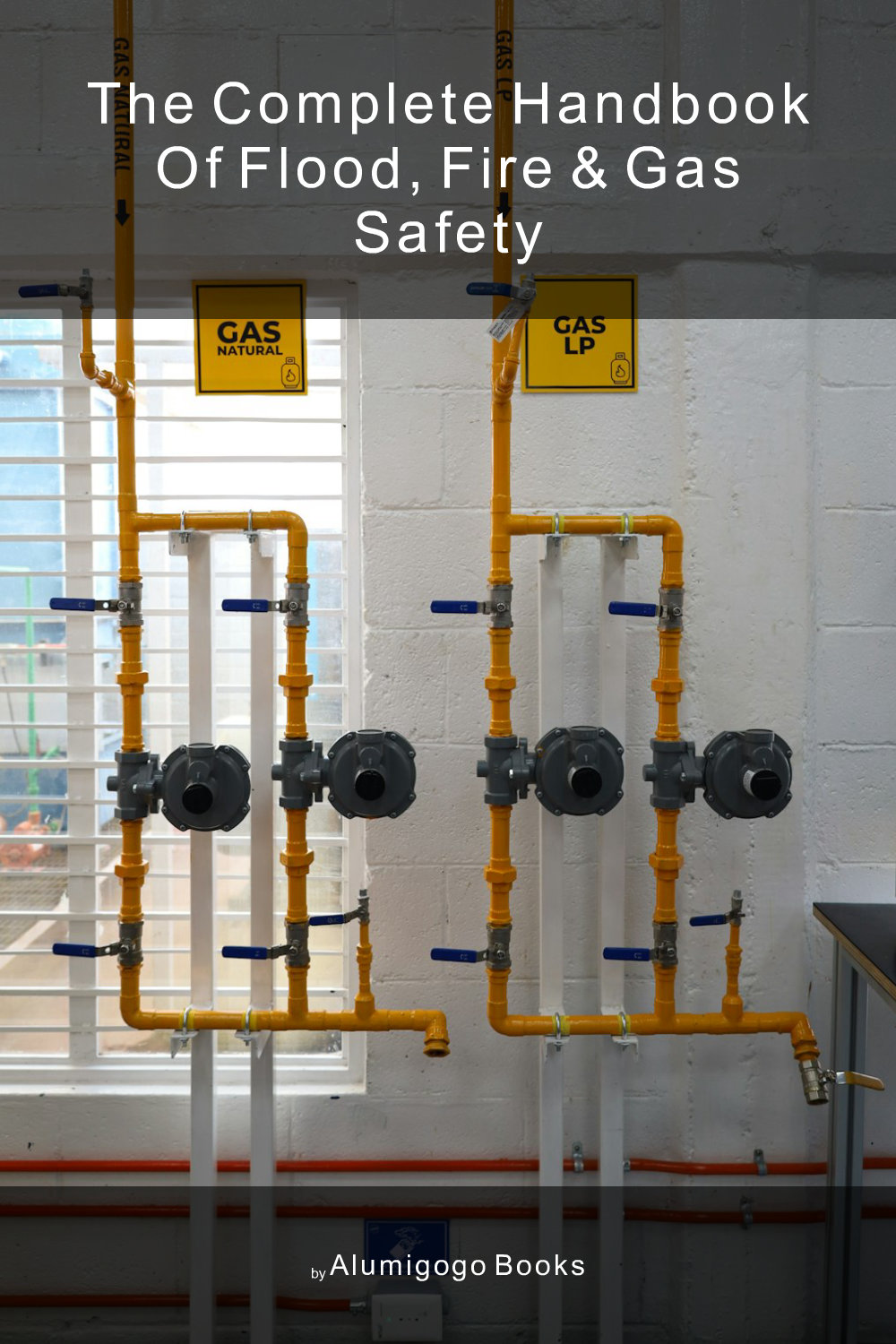
The Complete Handbook of Flood, Fire & Gas Safety
A Practical Reference for Property Owners, Facility Managers, and Safety Professionals
★★★★★3.5 · 8 reviewsby Alumigogo Books
non-fiction
The complete reference for understanding, selecting, installing, and maintaining flood, fire, and gas safety equipment and systems in any property.
🔒Secure checkout via Stripe
Labor Day Sale
$9
About this book
Flood, fire, and gas incidents cause billions in property damage and thousands of deaths annually—yet most property owners and even some professionals operate with incomplete information, relying on product marketing rather than standards, or scattered code requirements rather than a unified strategy.
This handbook treats flood, fire, and gas safety as an integrated discipline. You'll learn what these hazards actually are, how detection and mitigation systems work in practice, how to read specifications and choose equipment for your specific building and budget, how to install and maintain systems correctly, and how to diagnose problems before they become emergencies. Every chapter is grounded in building codes, insurance requirements, and real-world failure analysis—not vendor claims.
Whether you're a property owner protecting a home, a facility manager overseeing a commercial building, a contractor installing systems, an insurance professional evaluating risk, or a business looking to enter this field, this reference gives you the knowledge to make informed decisions and understand what you're paying for.
Reader Reviews
Andrew Campbell
★★★★★Solid reference that covers a lot of ground. The Chapter 1 explanation of how flood, fire, and gas hazards actually cascade through a property was eye-opening—I hadn't thought about how a small water intrusion can wreck electrical systems and trigger gas leaks. My main issue is that some of the equipment specifications in Chapter 2 assume too much technical background. Otherwise, useful for a property manager like me.
Nicholas Hall
★★★★★I bought this expecting it to help me understand what equipment my facility actually needs, and the early chapters delivered on that promise. The real-world examples—like the warehouse flood that knocked out the HVAC and created a carbon monoxide trap—are exactly what you don't see in manufacturer brochures. Where I got stuck was the maintenance chapter; it assumes you've already got systems installed. Would have benefited from more on retrofitting older buildings.
James Brown
★★★★★This is the handbook I wish existed when I was helping my father sell his rental properties. Chapter 1 alone cleared up myths about what smoke detectors actually do versus what most people assume they do. The decision-making framework in Chapter 3 made the insurance quotes make sense. A couple of sections on commercial systems felt dense, but as a homeowner, I got what I needed.
John Davis
★★★★★Finally, a reference that treats these three hazards as connected rather than separate compliance checkboxes. The explanation of why integrated detection matters—how a single sensor malfunction can cascade into multiple failure points—is practical stuff I use with contractors on our sites. The business opportunities chapter was helpful for understanding vendor margins too.
Amanda Lopez
★★★★★Good reference overall, but the book tries to cover too much ground at once. Flood, fire, and gas are three very different hazards and the handbook sometimes glosses over the specific equipment differences. The Chapter 1 framing was clear, but by Chapter 2 I felt like I was reading three different books stapled together. Still useful, just wished it went deeper on fewer topics rather than broader on all three.
Kimberly Campbell
★★★★★Useful for what I do, though I found myself wishing for more detail on the liability and insurance side. The technical specifications are solid and the real-world failure examples help you understand why these systems matter. As a facility manager, I appreciated the maintenance schedules. But if you're looking for legal guidance or detailed code interpretation, you'll need to look elsewhere. That said, it's better than vendor documentation.
Sarah Torres
★★★★★I'm an insurance adjuster and I picked this up hoping it would help me ask better questions when I'm evaluating claims. It delivered on that. The Chapter 1 breakdown of how these hazards compound each other—flood creating electrical faults that spark fires, or water damage destroying gas safety shutoffs—finally made sense of some losses I'd seen. Only criticism is the business chapter felt a little out of place for someone like me.
Sarah Allen
★★★★★This is exactly what I was looking for. As someone retrofitting a 1970s office building, I needed to understand what equipment was actually required versus what insurance prefers versus what's best practice. This handbook walks you through that distinction clearly. The examples are real. There's no fluff. I'm using it to make decisions and I can actually understand the vendor quotes now. Highly recommend for anyone doing anything serious with property safety.