The Complete Handbook of Candy & Chocolate
A practical reference for buyers, makers, and sellers of confectionery
★★★★★4.4 · 5 reviewsby Alumigogo Books
non-fiction
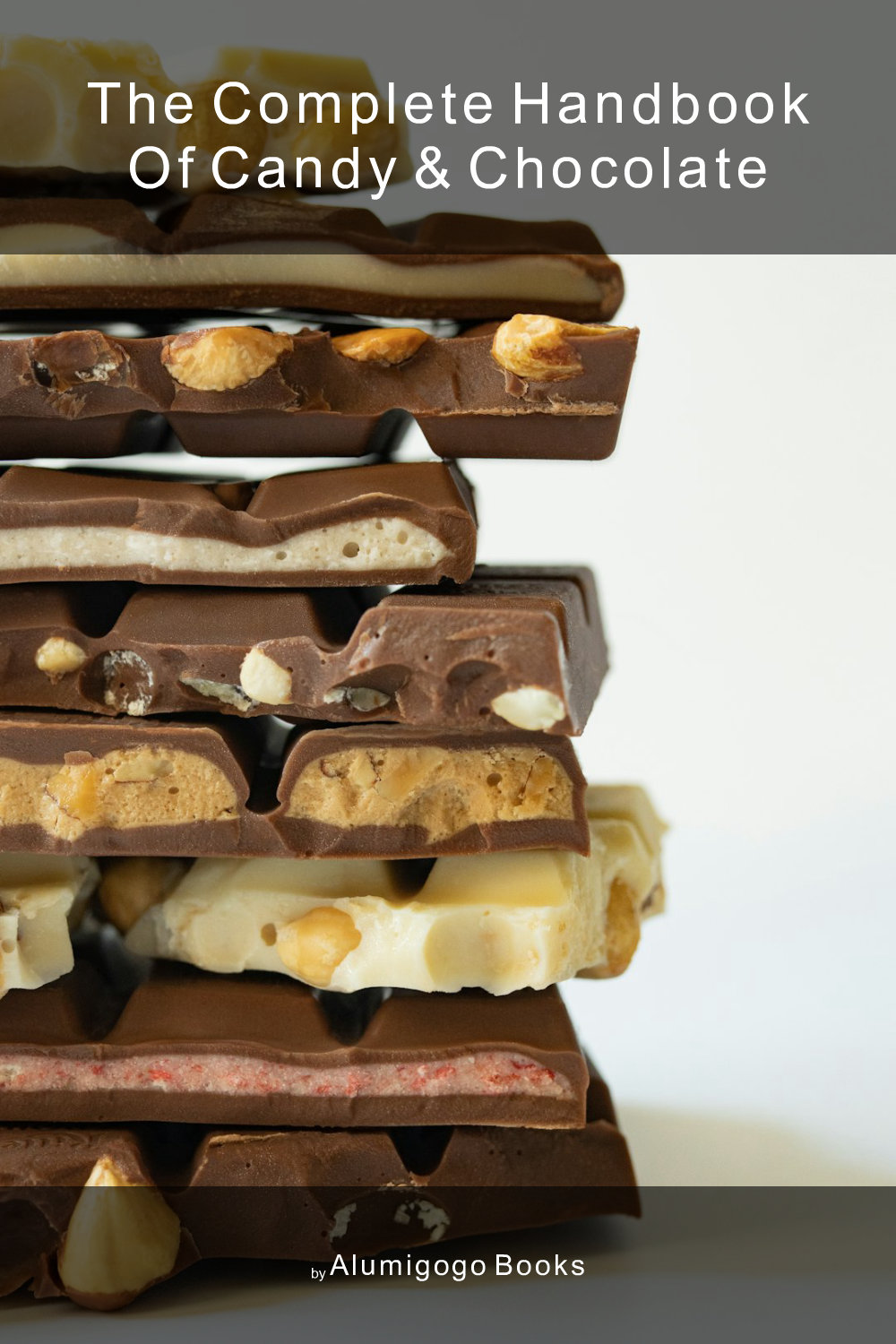
The Complete Handbook of Candy & Chocolate
A practical reference for buyers, makers, and sellers of confectionery
★★★★★4.4 · 5 reviewsby Alumigogo Books
non-fiction
The neutral, technical reference for buying, evaluating, storing, and selling candy and chocolate. No fluff, just specifications and practical knowledge.
🔒Secure checkout via Stripe
Labor Day Sale
$9
About this book
Whether you are buying couverture for a pastry kitchen, selecting shelf-stable enrobed bars for retail distribution, or troubleshooting bloom on a production line, this handbook gives you the neutral, specification-level knowledge you need. It covers what candy and chocolate actually are at a chemical and structural level, how to read and evaluate specifications, and how to choose the right product for your specific application - from high-temp resistant coatings for shipping to single-origin bars for a premium counter display.
The middle sections walk through correct storage, handling, tempering, and enrobing procedures, followed by a comprehensive troubleshooting guide for the most common problems: fat bloom, sugar bloom, texture defects, and shelf-life failures. The final sections cover the supplier landscape by tier, concrete business opportunities from private labeling to consulting, and the regulatory and trend trajectories that will shape the category over the next decade. This is the book to keep next to the production log, not on the coffee table.
Reader Reviews
Susan Thompson
★★★★★Finally, a confectionery reference that doesn't read like a sales brochure. The chapter on understanding the crystalline structure of cocoa butter alone is worth the price - I've been buying chocolate for a restaurant group for six years and nobody ever explained the phase transitions this clearly. The troubleshooting chapter helped me diagnose a recurring bloom issue on our enrobed line. I've already ordered three more copies for our kitchen managers.
Brenda Moore
★★★★★It's a solid reference, but I was expecting a bit more depth on the actual formulation side. The chapter on types and specifications is useful, and the storage guidelines are practical. That said, some sections feel like they're aimed more at large manufacturers than at a small operation like my bakery. The business opportunities chapter was also a little too broad - I wanted more concrete numbers on margins. If you're buying chocolate in serious volume, this will help. If you're a smaller outfit, you'll use some of it.
Angela Miller
★★★★★I run a small chocolate-making workshop and this is the first book I've found that actually explains the 'why' behind the 'how.' The section on why sugar bloom happens - and why it's not necessarily ruined product - has already saved me from throwing out a batch of molded bars. I also appreciated that they name specific equipment types and describe correct usage without pushing any particular brand. This is going right next to my tempering machine and it will stay there.
George Wright
★★★★★As someone who buys confectionery for a mid-size regional distributor, I've been burned by assuming all couverture is the same. The specification evaluation framework in Chapter 2 has changed how I compare supplier offers. The chapter on choosing the right product walks through application-specific considerations like flow characteristics and heat tolerance in a way that actually matches what I see on the production floor. The neutral tone is exactly what this industry needs. Highly recommend for anyone doing professional procurement.
Richard Martinez
★★★★★Good, practical handbook. I'm a hobbyist who got serious about making bonbons at home, and this book has helped me understand what my supplier's spec sheets actually mean. The maintenance chapter is clear on how to care for tempering equipment, though some of the troubleshooting is clearly written for industrial-scale operations. I'd have liked a few more photos or diagrams in the chapter on understanding candy structure, but the text explanations are detailed enough to follow. Solid reference that I'll keep using.