The Complete Guide to Becoming A Neurodiagnostic Technologist
The realistic guide to the pay, the path, the daily grind, and whether you have what it takes to become a Neurodiagnostic Technologist
★★★★★4.0 · 1 reviewby Alumigogo Books
non-fiction
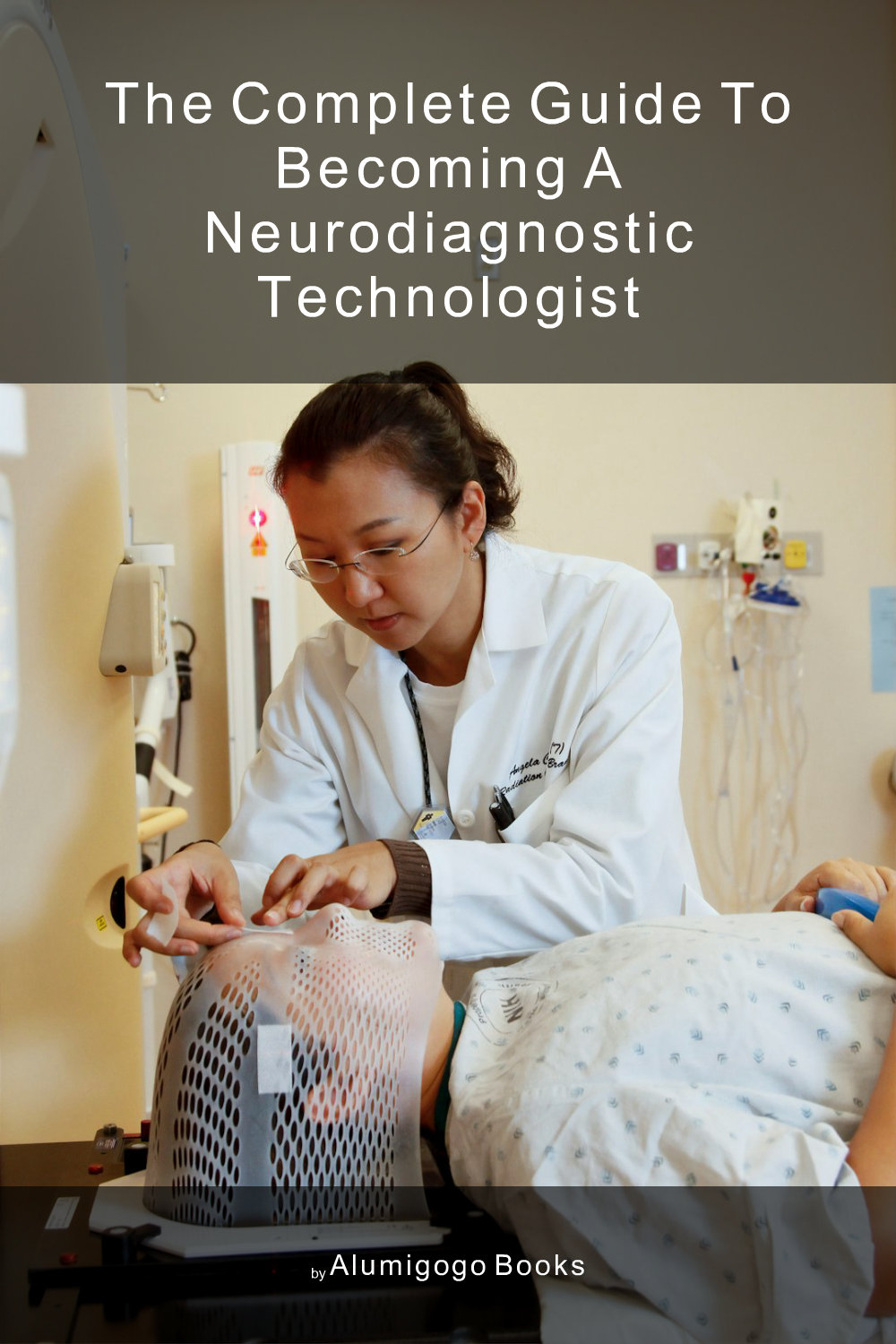
The Complete Guide to Becoming A Neurodiagnostic Technologist
The realistic guide to the pay, the path, the daily grind, and whether you have what it takes to become a Neurodiagnostic Technologist
★★★★★4.0 · 1 reviewby Alumigogo Books
non-fiction
What do neurodiagnostic techs really do? What do they get paid? Is it right for you? Straight answers, no fluff.
🔒Secure checkout via Stripe
Labor Day Sale
$9
About this book
You've seen the job title and it sounds intriguing - 'Neurodiagnostic Technologist' - but what does it actually mean? It's not a doctor, not a nurse, and not a lab scientist. It's the person who puts electrodes on a patient's head to record brainwave activity, who monitors a brain during surgery, who helps a neurologist figure out why someone is having seizures. It's a niche, growing, and surprisingly stable healthcare career that most people have never heard of. But is it the right career for you?
This book is your career counselor in a pocket. It walks you through the unglamorous reality of eight-hour shifts where you might be alone with a confused elderly patient, the stress of a Level 1 trauma center EEG, the math and pattern recognition required to spot an artifact, and the quiet satisfaction of a technically perfect recording. It also breaks down the bottom line: what you'll earn at every stage, what the training actually costs and takes, the best ways to get hired with zero experience, and what the career ceiling really looks like. No vague inspiration, no sugar-coating. Just a clear-eyed look at the profession, designed for someone who is seriously weighing whether to take the leap.
Reader Reviews
David Davis
★★★★★I was leaning towards medical assistant or phlebotomy, but kept seeing this neurodiagnostic tech thing and had zero clue what it was. This book nailed it. The first chapter alone made me realize it's way more focused on brain activity and epilepsy than I thought, and the salary tables in chapter four sealed the deal for me - the extra training to make more sense is worth it. It's honest about the hard parts, like dealing with dementia patients and odd hours, so I feel way more prepared now.