The Unprofessional Guide to idiopathic pulmonary fibrosis
What You Need to Know — For Informational Purposes Only: A Plain-Language Guide for Patients and Caregivers Facing Idiopathic Pulmonary Fibrosis
★★★★★3.5 · 6 reviewsby Alumigogo Books
non-fiction
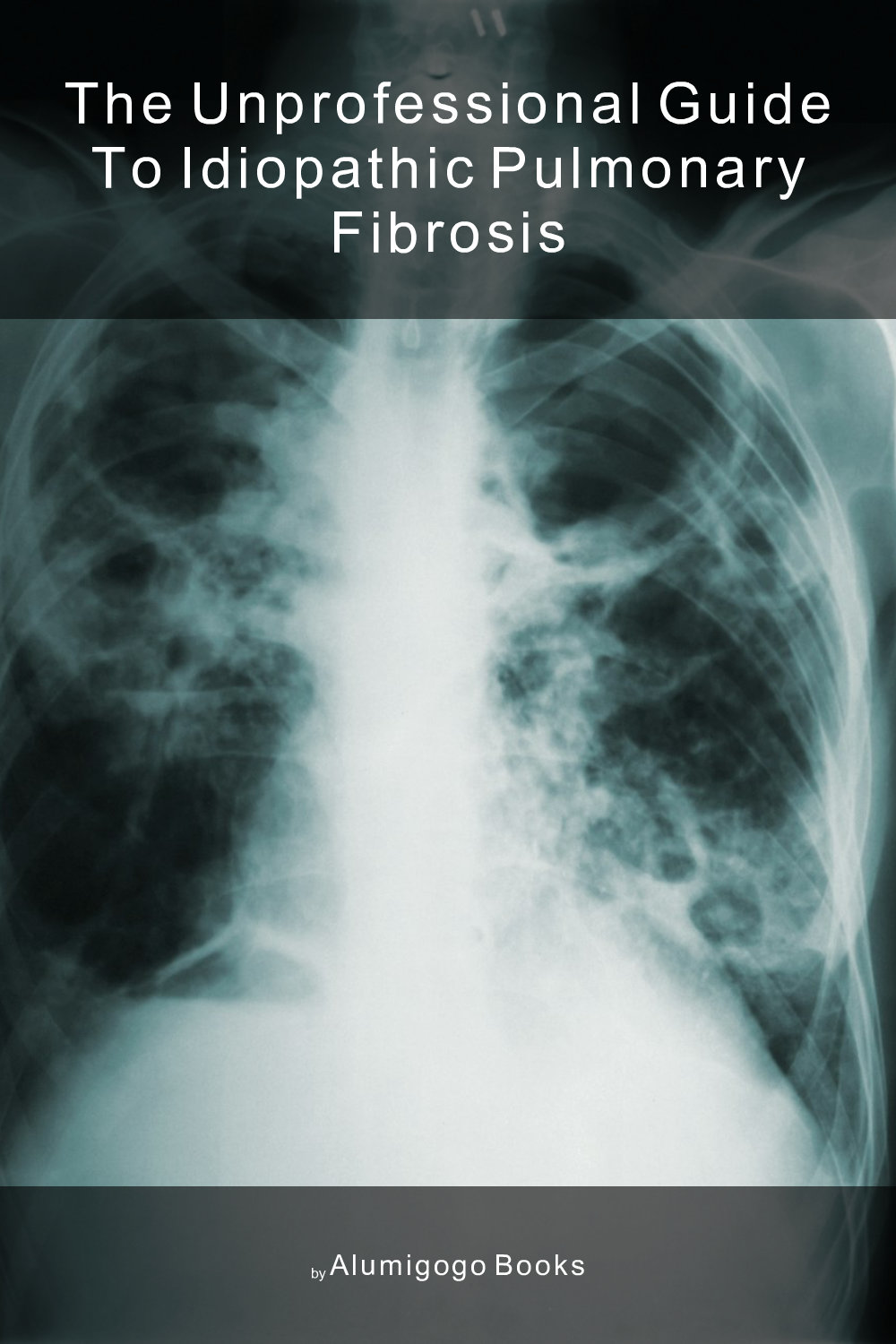
The Unprofessional Guide to idiopathic pulmonary fibrosis
What You Need to Know — For Informational Purposes Only: A Plain-Language Guide for Patients and Caregivers Facing Idiopathic Pulmonary Fibrosis
★★★★★3.5 · 6 reviewsby Alumigogo Books
non-fiction
You just got the diagnosis. Here's what it actually means, what comes next, and how to face it without falling apart.
🔒Secure checkout via Stripe
Labor Day Sale
$9
About this book
You just heard the words "idiopathic pulmonary fibrosis" and your brain stopped at "fibrosis." Maybe the doctor kept talking, but you were thinking about your kids, your job, your plans for retirement, the breathlessness you've been pretending isn't there. You need information, but you need it in a way that doesn't leave you more terrified than you already are.
This is not a medical textbook and it's not a doom scroll. It's a warm, honest, sometimes slightly irreverent walk through what IPF is — scars building up in the lungs that make it harder and harder to get oxygen into the blood — what happens in your body, and why it matters for your day-to-day life. It covers the causes (when they're known, and when they're not), the symptoms you're likely to feel, the tests you'll go through, and the treatments that exist — with their trade-offs laid out clearly, because there's no sugarcoating here, just clarity.
You'll also find practical chapters on living with IPF: how to eat, move, sleep, work, and travel; what to tell the people around you; and what to stop feeling guilty about right now. There's a whole chapter for caregivers, because they're living with this too, and a checklist of questions to bring to every appointment so you never feel like you forgot to ask the important thing. This guide is for information and support only — it is not medical advice. But it will help you walk into your next appointment, and your next day, feeling a little more in control.
Reader Reviews
Eric Johnson
★★★★★I was a wreck the week I got my diagnosis, and this book was the first thing that made me feel like I wasn't falling into a void. Chapter 1 finally explained what 'scarring in the lungs' actually means in a way I could understand. It didn't sugarcoat the hard stuff, but it didn't make me want to crawl under a blanket either. I shared it with my sister, and we both feel like we can actually face the next appointment now.
Karen Young
★★★★★Okay, it's a good book for the basics, and I appreciated that it didn't feel like a medical lecture. But I felt like some chapters went on a bit long and I ended up skimming parts, especially around the treatment options. The question list at the back is genuinely useful, and I've used it twice now. I just wish it got to the point a little faster in the middle sections.
Robert Brown
★★★★★As a husband whose wife got diagnosed last spring, I read this cover to cover. I appreciated that they included a whole chapter for caregivers and that it was honest about the burnout, not just the 'you're so strong' stuff. The checklist in the back helped me stop forgetting things at appointments. It's not a miracle cure, but it's a solid, compassionate guide that made me feel I was doing something useful.
Margaret Young
★★★★★This guide is fine for the very beginning, but I felt like I needed more depth on the progression of the disease and the different stages. I was hoping for clearer 'your life will look like this' kind of information, and it was a bit too vague for me. The tone was comforting, though, and it was a hundred times better than the pamphlets the hospital gave me. Good starting point, but I supplemented it with other sources.
Paul Brown
★★★★★It's a decent primer, but I found the tone a little too casual for my taste. I get that not everyone wants a medical textbook, but I wanted more specifics on the medications and fewer 'it's okay to feel scared' reassurances, which I already knew. That said, the chapter on day-to-day life gave my mom some practical tips, so it definitely has its place. Worth a read, but not the only book you should get.
Timothy Walker
★★★★★Right after my dad was diagnosed, I spent three days reading everything online and freaking myself out. This book was a welcome relief because it was calm and practical without being naive. The parts about what to say to a loved one with IPF (and what not to say) were spot on, and it helped me have real conversations with my dad. It won't fix anything medically, but it fixed a bit of the chaos in my head.