The Complete Handbook of Wire & Cable Hand Tools
For electricians, technicians, contractors, and hobbyists who need to work with wire and cable safely and efficiently
★★★★★4.1 · 8 reviewsby Alumigogo Books
non-fiction
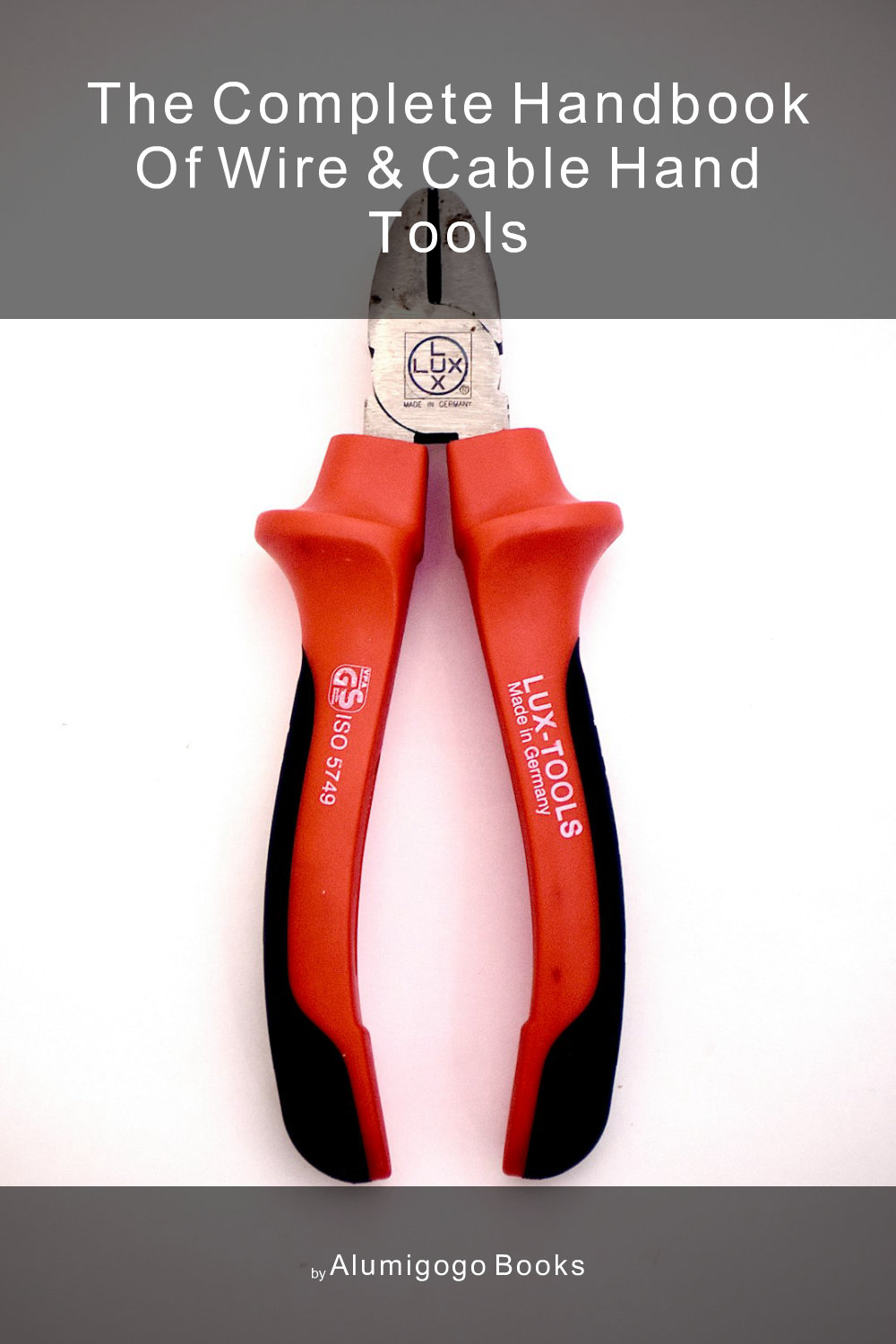
The Complete Handbook of Wire & Cable Hand Tools
For electricians, technicians, contractors, and hobbyists who need to work with wire and cable safely and efficiently
★★★★★4.1 · 8 reviewsby Alumigogo Books
non-fiction
The professional reference for selecting, using, and maintaining wire and cable hand tools—written for electricians, technicians, and serious DIYers who need concrete answers.
🔒Secure checkout via Stripe
Labor Day Sale
$9
About this book
Wire and cable hand tools are fundamental to electrical work, but their proper selection and use are rarely taught outside of apprenticeship or on-the-job experience. A wire stripper that works perfectly for 12 AWG solid copper may mangle 10 AWG stranded. A crimp tool that produces a reliable connection on insulated terminals may fail on bare lugs. A damaged cutting edge doesn't just produce slow work—it can fracture strands, crush insulation, or create weak joints that fail under load.
This handbook is written for electricians, technicians, telecommunications installers, and serious hobbyists who install and maintain electrical systems. It covers the tools you actually use: wire strippers, crimpers, cutters, pliers, testers, and specialty tools for termination and splicing. Each chapter moves from understanding how these tools work and what specifications matter, through selecting the right tool for your application, to proper installation, daily use, maintenance, and troubleshooting. You'll learn why two crimpers with the same name produce different results, how to diagnose why a crimp is failing, how to maintain tools so they perform consistently, and where the market is headed as materials and standards evolve.
Based on field experience, manufacturer specifications, and professional standards, this book gives you the knowledge to work faster, avoid costly mistakes, and keep your tools performing at their best.
Reader Reviews
Amy Green
★★★★★Finally, a handbook that actually explains why a tool matters instead of just listing features. The Chapter 1 walkthrough of what happens when you use the wrong stripper on stranded cable—the crushing, the insulation damage, the eventual failure—made me realize I'd been doing this wrong for years. I've already recommended it to three apprentices in our shop.
Betty Mitchell
★★★★★This is exactly the kind of reference I needed. Straightforward explanations, no marketing fluff. My only minor complaint is that the brands chapter could have included more detail on warranty and repair policies, but overall it's become my go-to when I need to justify a tool purchase to a supervisor or figure out why something isn't working the way it should.
Michael Baker
★★★★★The first chapter is solid and gives you a real understanding of the topic. The maintenance section was helpful too. That said, for someone doing mostly residential work with standard romex and basic crimps, some of the spec-level detail felt like overkill. It's still a good reference, just denser than I expected.
Karen Nguyen
★★★★★I work in telecom and was skeptical this would cover precision cable work, but Chapter 1 clarified the difference between general-purpose strippers and the tools we actually need for cat-6 and fiber work. The spec details and the discussion of jaw geometry finally explained why our old tools were producing intermittent failures. Worth the investment.
Melissa Moore
★★★★★Comprehensive and well-organized. The troubleshooting section is practical. My reservation is that some of the tool examples feel slanted toward professional-grade products, and a working electrician on a tight budget might want more options in the budget tier. Still, the fundamentals are sound.
Angela Davis
★★★★★A genuinely useful reference. The distinction between types of crimps and the visual inspection guidance in Chapter 1 alone has already saved me from making bad connections. Clear writing, no unnecessary jargon, and the glossary at the end is actually worth reading.
Charles Miller
★★★★★Solid handbook that treats this topic with the seriousness it deserves. The section on jaw geometry and how it affects crimp shape was an eye-opener. I would have liked more on specialty tools for specific industries, but for general electrical and telecommunications work, this covers the essentials well.
Joseph Roberts
★★★★★This is the book I wish I'd had when I started. The explanation of how tool wear affects performance and the maintenance procedures mean I'll actually be able to keep my tools in service instead of replacing them every few years. Practical, thorough, and written by someone who clearly understands the work.