The Complete Handbook of Waffle & Pancake Mixes
A Practical Reference for Professional Kitchens, Retail Buyers, and Serious Home Cooks
★★★★★3.8 · 6 reviewsby Alumigogo Books
non-fiction
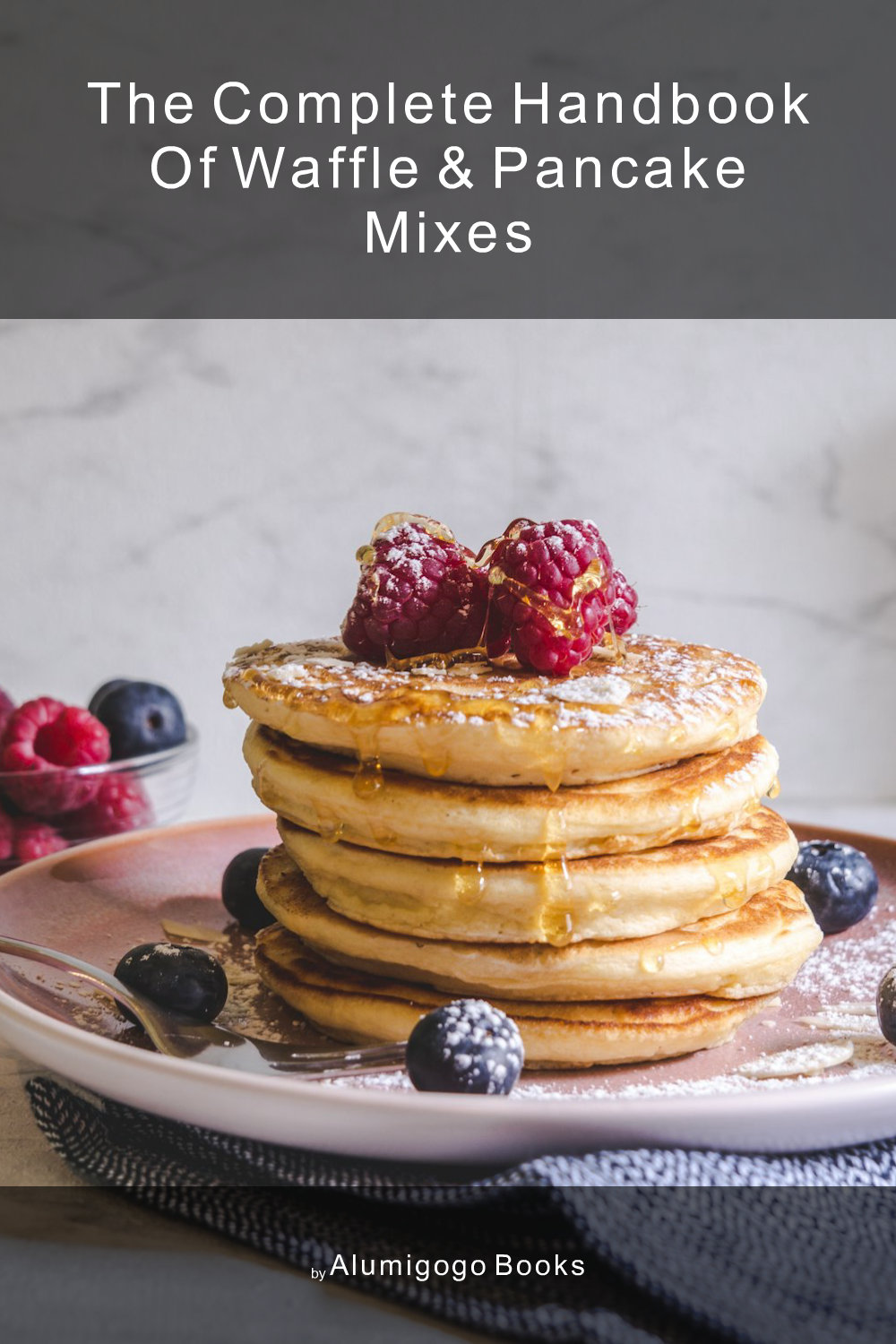
The Complete Handbook of Waffle & Pancake Mixes
A Practical Reference for Professional Kitchens, Retail Buyers, and Serious Home Cooks
★★★★★3.8 · 6 reviewsby Alumigogo Books
non-fiction
The spec-by-spec reference for buying, handling, troubleshooting, and profiting from waffle and pancake mixes.
🔒Secure checkout via Stripe
Labor Day Sale
$9
About this book
Most people treat waffle and pancake mixes as a commodity: open the bag, add water, cook. But the difference between a mediocre short stack and a consistently excellent one is not luck or a secret family recipe — it is understanding what is actually in that bag of powder, what the numbers on the spec sheet mean, and how the mix behaves under real-world conditions like cold batter, high-altitude kitchens, and high-output brunch rushes.
This handbook is written for professionals and serious enthusiasts who want practical, verifiable knowledge. It covers the chemistry of leavening systems, the function of different flour types and starches, how to read a nutrition panel and an ingredient declaration, and how to compare a cheap commodity mix against a premium whole-grain product. It also covers the less glamorous but essential material: storage life, absorption ratios, batter temperature windows, griddle and waffle iron setup, common failure modes and their fixes, and how to choose a mix for a specific business model — a food truck, a hotel breakfast buffet, a school cafeteria, or a small retail bakery.
Additionally, the book covers the business side for readers who want to go beyond buying mixes: white-label co-packing, direct-to-consumer packaging, supplying local cafés, running troubleshooting consulting gigs, and evaluating franchise or wholesale opportunities. This is not a marketing booklet. It is a reference to keep in the office, the dry storage room, or next to the mixer.
Reader Reviews
Margaret Martin
★★★★★I run a 60-seat breakfast spot and I have read more spec sheets than I care to count. This is the first book that actually explains what those numbers mean instead of just repeating them. The absorption ratio and protein content sections alone were worth it. I adjusted my buttermilk mix and cut down on waste immediately. Only reason it is not 5 stars is that I would have liked a few more charts on high-altitude adjustments, but that is a niche complaint. Overall, solid, practical reference.
Barbara Ramirez
★★★★★As a wholesale food distributor, I see scores of mix brands come across my desk. This book gave me a proper vocabulary to compare suppliers and to explain differences to my restaurant clients. I appreciated that it is not pushing any brand - it is genuinely neutral. The troubleshooting chapter on batter that turns grey before cooking was oddly fascinating. A bit dense in places, but everything is useful. I have already ordered two extra copies for my sales team.
Steven Jones
★★★★★Good book. I bought it because I was getting inconsistent waffles from the same bag of mix and it was driving me insane. Turns out I was overmixing and not letting the batter rest. The chapter on usage sorted that out. The business opportunities chapter was not really my thing, but it was informative. I wish the troubleshooting section had a quick-reference matrix at the back, but the index works fine. Would recommend to anyone who runs a breakfast food truck.
Jacob Johnson
★★★★★This is a surprisingly enjoyable technical read. It treats pancake mix as an actual engineered product, which I respect. The breakdown of leavening chemistry - double-acting vs. single-acting - finally explained why some of my batters poof up on the griddle and others only puff in the pan. The comparison of commodity vs. premium blends helped me move a mid-tier supplier for our catering company. Minor gripe: some sections read a bit dry, but that is kind of the point for a reference handbook.
John Jones
★★★★★It is a solid reference, but I had different expectations. I wanted more on gluten-free and allergen-friendly mix behavior, and that section felt short to me - maybe a few recipes would have helped too. The core chapters on storage and troubleshooting are well done, and the glossary is useful. For a serious home baker like me, it was a bit 80% relevant instead of 100%, but I am glad I bought it. It has already helped me fix a gummy texture problem in my cornmeal waffles.
Angela Carter
★★★★★I am an avid weekend brunch cook and I bought this book just to understand the difference between the cheap store brand and the expensive organic mix. By page 40, I had a completely different understanding of what I was cooking. The chapter on specifications is worth the price alone - sugar type and granulation matter more than I assumed. I have been making a better product using the same equipment, just with better knowledge. Some parts are written more for restaurant guys, but I still found it useful.