The Complete Handbook of Video Cameras
Essential Knowledge for Professionals, Businesses, and Serious Hobbyists
★★★★★4.8 · 5 reviewsby Alumigogo Books
non-fiction
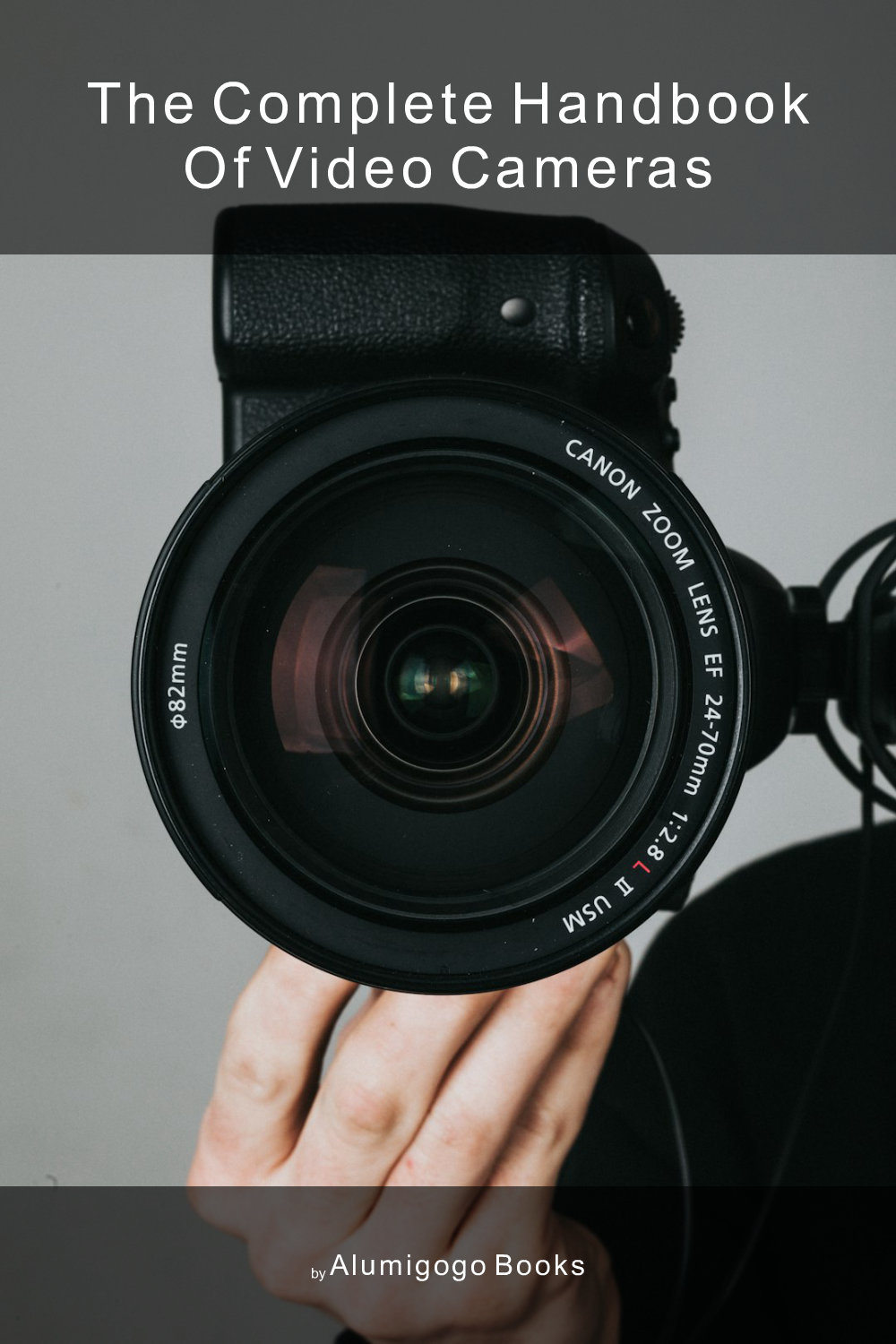
The Complete Handbook of Video Cameras
Essential Knowledge for Professionals, Businesses, and Serious Hobbyists
★★★★★4.8 · 5 reviewsby Alumigogo Books
non-fiction
Practical, specification-grounded guidance for selecting, deploying, and operating video cameras in professional and serious-hobbyist work.
🔒Secure checkout via Stripe
Labor Day Sale
$9
About this book
Video cameras are tools—and like all tools, they work best when you understand what they actually do, what specifications matter for your specific use case, and how to deploy them correctly.
This handbook cuts through marketing noise to give you concrete, usable knowledge. You'll learn how video cameras capture and encode image data, which specifications actually affect image quality and reliability, how to select the right camera for your budget and application (surveillance, production, live streaming, documentation), how to install and configure systems correctly, and how to diagnose and fix common problems. Real-world examples ground every major topic: what resolution you actually need for a 50-meter security perimeter; how frame rate choice affects live-event production; what bitrate and compression trade-offs mean for storage and bandwidth; why some cameras fail in high-heat environments and others don't.
Whether you're a video production professional, a business deploying security infrastructure, or a serious hobbyist building a system, this book replaces scattered spec sheets, forum advice, and manufacturer marketing with clear, honest guidance.
Reader Reviews
Edward Flores
★★★★★Edward Flores: Really solid reference material. The Chapter 1 breakdown of how sensors actually capture light and convert it to data was clearer than anything I found in manufacturer docs. My only quibble: the section on codec trade-offs could use one more concrete example comparing file sizes across a real production scenario, but overall this is exactly what I needed when I was spec'ing cameras for a new security contract.
Sandra Ramirez
★★★★★Sandra Ramirez: Finally, a camera handbook that treats the reader like a professional instead of someone who needs hype. The way it explains why resolution alone doesn't guarantee usable image quality, and how bitrate, codec, and sensor size all work together, is exactly what I wish I'd read before I made my first production kit purchases five years ago. This is the book I'm recommending to every intern on my team.
Betty Jackson
★★★★★Betty Jackson: I've been shooting video for ten years, and I thought I had a pretty solid grasp of camera fundamentals, but Chapter 1 filled in gaps I didn't even know I had. The explanation of how different compression codecs actually work, and why it matters whether you're shooting H.264 or ProRes for live streaming versus archival, is worth the price of the book alone. This is reference material I'll come back to constantly.
Emily Campbell
★★★★★Emily Campbell: Bought this because I'm building a live-event production system and I was drowning in contradictory forum advice about frame rates and bitrate. The first chapter alone demystified why the specifications I was looking at actually matter for my specific use case. Clear, no fluff, grounded in real examples—this is exactly what a professional resource should be.
Andrew Walker
★★★★★Andrew Walker: As someone new to video work who didn't want to fall for marketing hype or make expensive mistakes, this book was invaluable. The way it explains video cameras as systems—sensor, codec, frame rate, storage, all working together—instead of just listing specs made everything click. If you're serious about getting this right, buy this book.