The Complete Handbook of Traditional & Ceremonial Clothing
A practical reference for buyers, makers, and sellers of ceremonial dress across cultures
★★★★★4.0 · 8 reviewsby Alumigogo Books
non-fiction
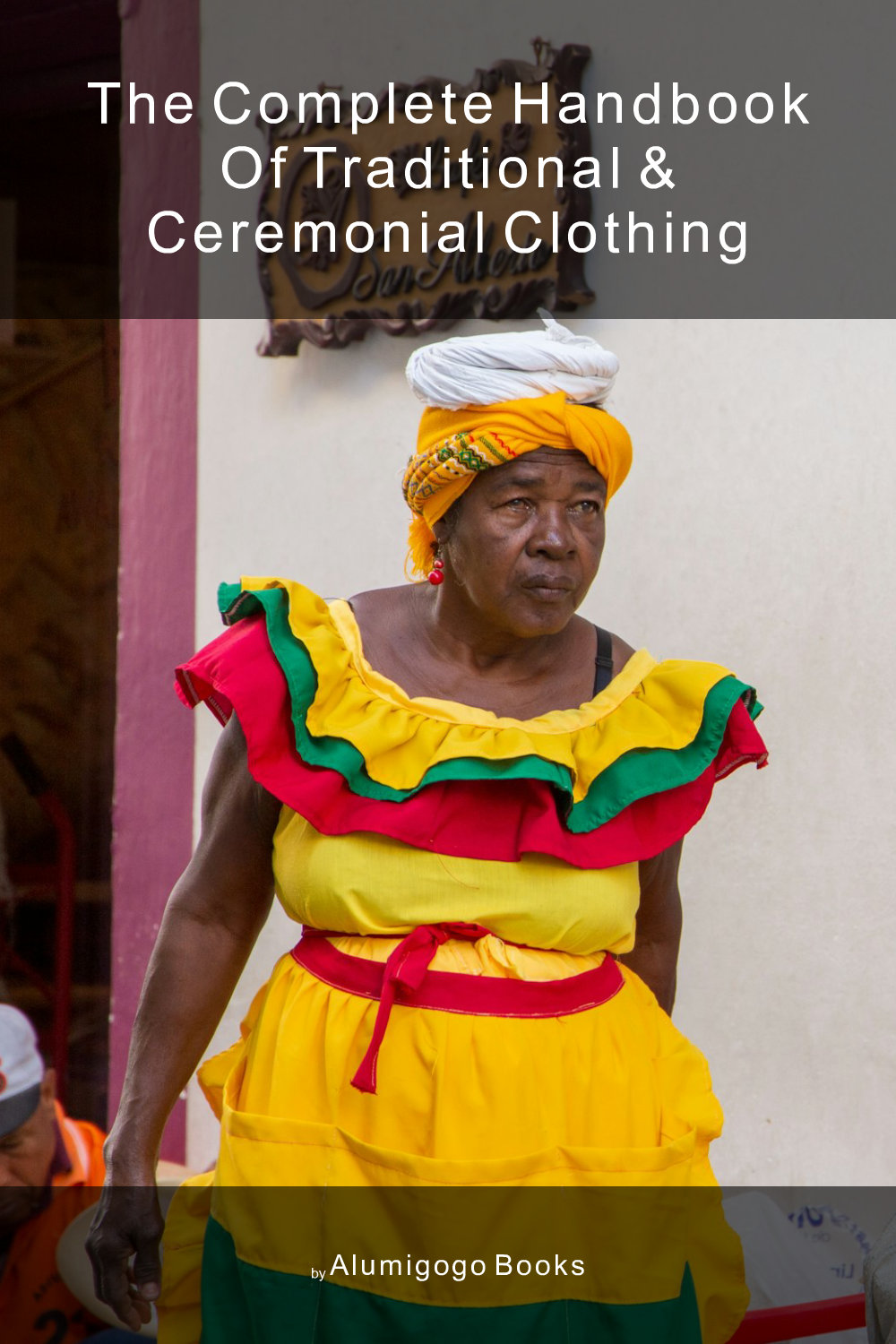
The Complete Handbook of Traditional & Ceremonial Clothing
A practical reference for buyers, makers, and sellers of ceremonial dress across cultures
★★★★★4.0 · 8 reviewsby Alumigogo Books
non-fiction
A field guide to selecting, maintaining, and profiting from traditional and ceremonial garments—without the fluff.
🔒Secure checkout via Stripe
Labor Day Sale
$9
About this book
Traditional and ceremonial clothing is a multi-billion-dollar global trade, yet most information is either academic scholarship on costuming or glossy vendor catalogs. This handbook bridges that gap. It gives you the tools to assess a garment's suitability for a specific occasion—from a Japanese wedding kimono to a Highland formal kilt—by examining fiber content, construction methods, and cultural protocols. You'll learn how to read a garment's provenance, what questions to ask a supplier, and how to build a wardrobe that serves clients reliably for years.
The second half of the book shifts to the shop floor and the balance sheet. Detailed chapters cover proper storage for woven wools, embroidered silks, and beaded regalia; step-by-step troubleshooting for common failures like seam puckering, dye bleeding, and moth damage; and a realistic overview of the business landscape—where the margins are, how rental pricing works, and what certifications matter. The final chapters look forward to new materials and shifting regulations, so your investment stays relevant.
Whether you're outfitting an embassy event, managing a costume rental house, or hand-sewing your own regalia, this handbook gives you the ground truth. It's not about celebrating fashion; it's about knowing what you're handling and making informed decisions.
Reader Reviews
Mary Davis
★★★★★I'm a costume shop manager, and I bought this hoping for a better system for evaluating donated pieces. The chapter on maintenance and troubleshooting is genuinely useful—the moth damage section saved me a headache. But I felt Chapter 1 was a bit too heavy on the cultural theory side; I wanted more details on construction specs. It's a solid reference, just not perfectly aimed at practical daily use.
Melissa Sanchez
★★★★★Finally a handbook that treats this like a professional field, not a hobby. I run a small wedding kimono rental service, and the grading criteria for silk quality and stitching in Chapter 2 gave me a checklist to train my staff on. The business chapter wasn't fluff either—it gave me realistic pricing models I could apply immediately. This will sit on my desk, not the shelf.
Matthew Williams
★★★★★Good, dense reference. As a historian who often advises film productions on accuracy, I appreciated the honest framing in the early chapters about how 'traditional' is often a moving target. The troubleshooting guide is a lifesaver for working with old textiles. My only gripe: I wish the glossary was longer and included more regional terms for trims and weaves. Still, it's a worthwhile buy.
Jacob Taylor
★★★★★It's a well-organized book with a lot of information, though I think it aims a bit too broadly. I'm interested in Highland wear, and while the tartan sections were fine, they felt like an overview rather than a deep dive. The care instructions, however, are excellent, and I've changed how I store my kilts. I'd recommend it, but with the caveat that you might need to supplement with more specialized texts if you're a serious collector.
Melissa Moore
★★★★★I'm a costume maker for Scottish country dancing groups, so garment construction is my livelihood. The chapter on types and specifications is excellent for explaining to clients why a 16 oz. wool kilt is worth three times as much as an 8 oz. one. The use-case examples are spot on. This book is a great communication tool between a maker and the customer.
Paul Johnson
★★★★★I was hoping for more on the anthropology of the clothes, but it really is a practical handbook as the title says. It's thorough on how to clean and repair items, which is what I needed. The section on private-labeling and business opportunities felt a bit basic for anyone who's already in the trade, like me. But for a newcomer, it's a good map.
Donald Young
★★★★★As an event planner who handles cultural festivals, I found the first two chapters alone are worth the price. Understanding the difference between 'daily wear' and 'strictly ceremonial' has prevented at least a dozen faux pas. The checklist in the buying guide is now lent out to every junior planner on my team. It's not deeply academic, but it's practical and applicable. Good.
Donna Rodriguez
★★★★★This is the reference I wish I had when I started my nonprofit that provides regalia for local cultural ceremonies. The details on material specs and maintenance are straightforward and accurate, particularly for embroidered items. It doesn't romanticize the clothing, which I appreciate—it treats it as equipment that needs to be handled with skill. It's already been invaluable to us.