The Complete Handbook of Theodolites
Selection, Setup, Operation, and Care for Surveyors, Engineers, and Construction Professionals
★★★★★5.0 · 1 reviewby Alumigogo Books
non-fiction
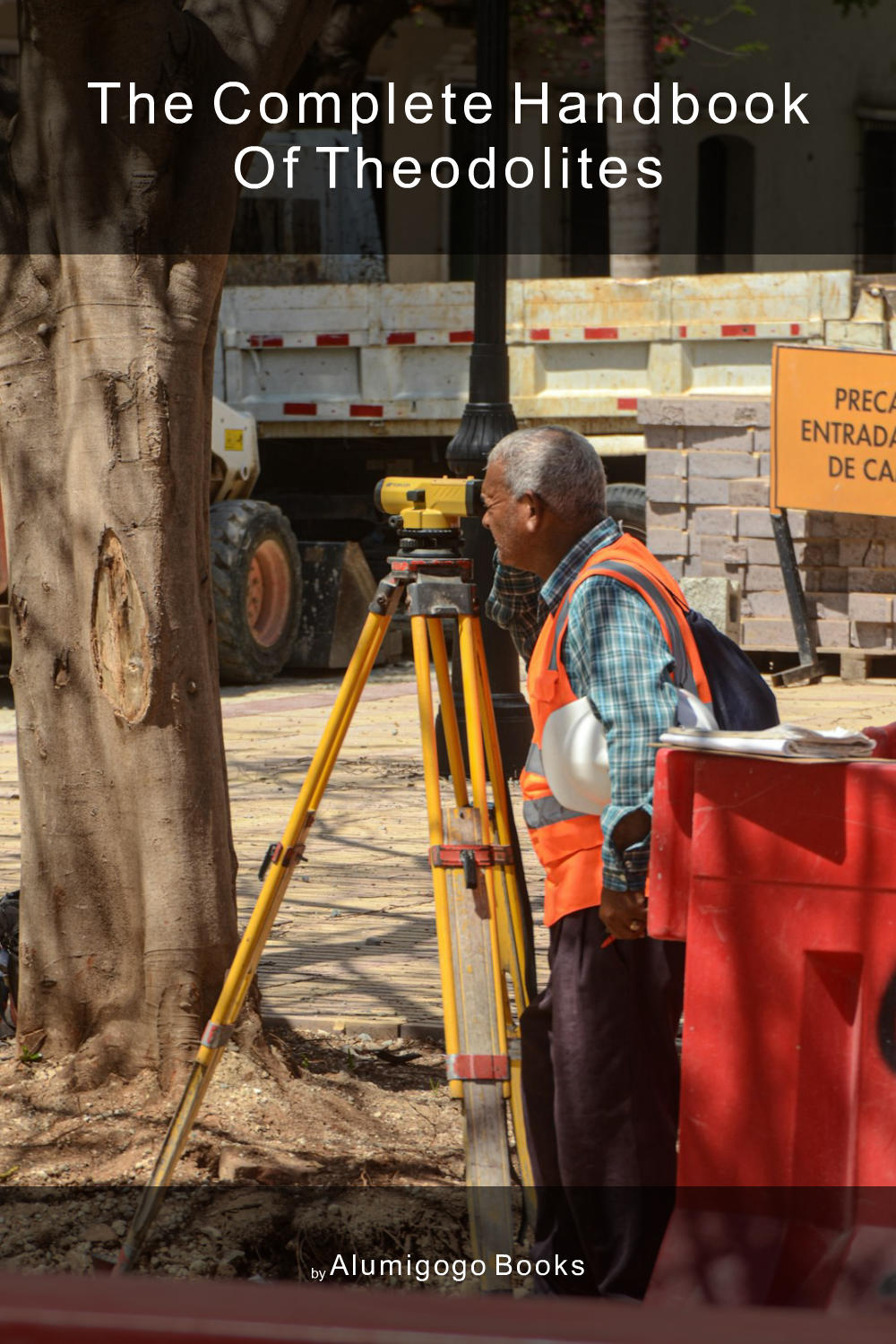
The Complete Handbook of Theodolites
Selection, Setup, Operation, and Care for Surveyors, Engineers, and Construction Professionals
★★★★★5.0 · 1 reviewby Alumigogo Books
non-fiction
The complete practical reference for choosing, using, and maintaining theodolites, written for working professionals and serious enthusiasts.
🔒Secure checkout via Stripe
Labor Day Sale
$9
About this book
This handbook is written for the people who actually use theodolites to earn a living or complete a precise project: the surveyor laying out a building foundation, the engineer checking the alignment of a bridge deck, or the serious hobbyist building a large structure that must be perfectly square. It cuts through the marketing speak to explain what a theodolite actually does, how it does it, and what you need to consider before you buy one. You will learn to read specification sheets with a critical eye, understanding the difference between a meaningless marketing claim and a tolerance that affects your final measurement.
The book provides detailed, step-by-step guidance on setup, calibration, and field procedures. It covers routine maintenance schedules, identifies common field failures, and shows you how to diagnose problems ranging from a stuck tangent screw to erratic electronic readings. It also examines the broader market, offering a practical look at the brands and suppliers you will encounter, and explores concrete business opportunities such as equipment rental, calibration services, and the used-instrument trade.
Whether you are a project manager needing to supervise survey crews, a working surveyor looking for a reliable desk reference, or a serious DIY builder who wants professional-grade accuracy, this handbook provides the practical, usable knowledge you need.
Reader Reviews
Edward Green
★★★★★Finally, a reference that treats theodolites like the precision tools they are, not some mystical piece of kit. I've been running a small land-surveying firm for 15 years and I thought I knew most of this, but the chapter on understanding specs is worth the price alone - it clarifies the real-world impact of things like ISO 17123-3 error values better than any manual I've read. It's the book I'll hand to my new crew members instead of the manufacturer brochure. My only complaint is that I wish it had more photos, but the text descriptions are clear enough.