The Complete Handbook of Tempeh
A technical reference for producers, buyers, and culinary professionals covering specifications, production methods, equipment, and troubleshooting
★★★★★4.7 · 6 reviewsby Alumigogo Books
non-fiction
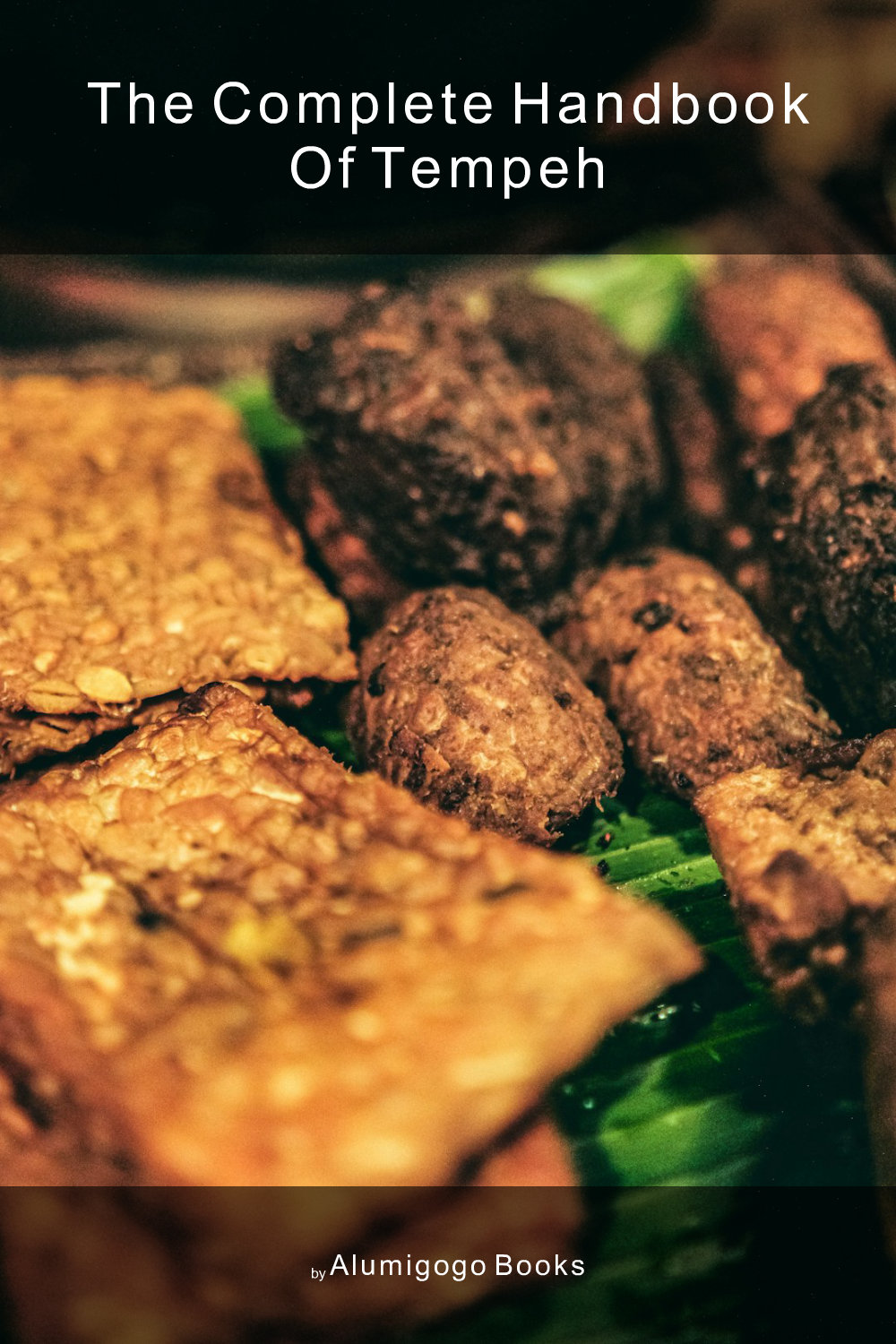
The Complete Handbook of Tempeh
A technical reference for producers, buyers, and culinary professionals covering specifications, production methods, equipment, and troubleshooting
★★★★★4.7 · 6 reviewsby Alumigogo Books
non-fiction
Technical reference for tempeh production, specification, and troubleshooting — written for professionals who need measurable standards, not marketing.
🔒Secure checkout via Stripe
Labor Day Sale
$9
About this book
Tempeh is a fermented food with centuries of tradition and a surprisingly precise set of production parameters. Most reference material on tempeh is either academic papers focused on fungal physiology or casual blog posts that gloss over the variables that determine success. This handbook sits between those extremes, offering a practical technical reference for anyone who buys, sells, produces, or uses tempeh in a professional context.
Chapters cover raw material specifications (bean size, dehulling quality, acidification targets), inoculum handling, incubation equipment, packaging options, and cold-chain considerations. A dedicated troubleshooting chapter addresses common failures such as ammonia off-odors, patchy mycelial growth, and premature spoilage. For business readers, there is concrete information on supplier evaluation, private-labeling requirements, and the type of facility and equipment needed for small-scale production.
The writing is deliberately neutral and technical. Every claim is tied to measurable parameters or reproducible processes. Whether you are a chef evaluating a new supplier, a distributor comparing products for a regional market, or a hobbyist trying to scale beyond 2-pound batches, this handbook is designed to give you the vocabulary and the numbers to make informed decisions.
Reader Reviews
Lisa Perez
★★★★★I was expecting another recipe book with a few tips sprinkled in, but this actually explains the fermentation parameters in measurable terms. The acidification and humidity targets alone were worth the price. I docked one star because the equipment chapter leans toward commercial-scale setups and there is not much for someone doing 5-pound home batches, but for a professional reference it is well done.
Donald Scott
★★★★★This is the book I have been looking for for years. I have been buying tempeh wholesale for my restaurant and I never had a clear way to evaluate suppliers — pH, moisture content, binding quality? I had no vocabulary for it. Now I do. Chapter 3 alone changed how I order, and the troubleshooting table in Chapter 5 solved a recurring spoilage issue we had with a specific vendor. Absolutely worth it.
Andrew Scott
★★★★★Solid reference overall, and the chapter on specifications is genuinely useful if you are sourcing or producing at scale. My only complaint is that the future trends chapter feels a bit conservative — it lists directions that most people in the industry already know. For someone new to the category, it would be useful, but I was hoping for more forward-looking analysis.
Emily Wilson
★★★★★Finally, a tempeh book that treats the subject seriously. The author clearly knows fermentation science but writes in plain language. The troubleshooting chapter is the most practical thing I have read on tempeh defects — I diagnosed a bacterial contamination issue in my facility within an hour of reading it. The pH targets and temperature ranges are exactly what I needed. My copy is full of sticky notes.
Michael Allen
★★★★★As someone who has made tempeh for years as a serious hobbyist, I appreciated how this book confirms what works and explains why. The section on acidification finally helped me understand why my batches sometimes smelled sour even when the texture looked fine. It is not a recipe book, which is exactly what I wanted. If you want to understand the process rather than just follow steps, get this.
Emily Campbell
★★★★★I run a small wholesale tempeh operation and this book has become my on-the-shelf reference. The specifications chapter helped me standardize my own grading system, and the business opportunities chapter gave me a realistic look at private-labeling margins that I had been fumbling through on my own. The writing is dry in the best way — no hype, just numbers and processes. Highly recommended.