The Complete Handbook of Tamarindo
A practical reference for professionals, businesses, and serious enthusiasts: sourcing, grading, processing, and using tamarind in commercial and artisanal settings.
★★★★★3.8 · 5 reviewsby Alumigogo Books
non-fiction
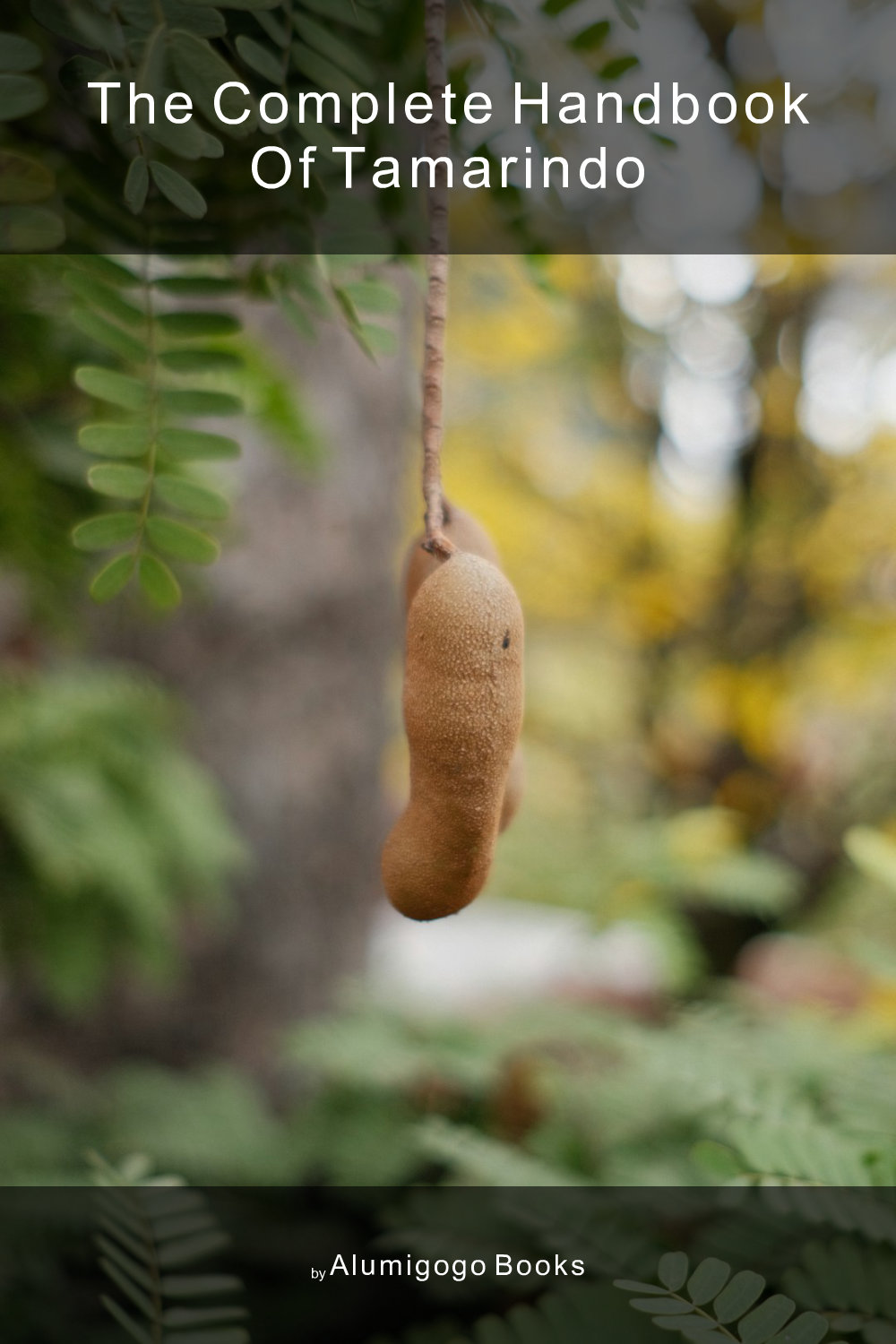
The Complete Handbook of Tamarindo
A practical reference for professionals, businesses, and serious enthusiasts: sourcing, grading, processing, and using tamarind in commercial and artisanal settings.
★★★★★3.8 · 5 reviewsby Alumigogo Books
non-fiction
From pod to paste: the practical reference for sourcing, grading, processing, and troubleshooting tamarind. No fluff, just operational knowledge.
🔒Secure checkout via Stripe
Labor Day Sale
$9
About this book
For too long, professionals working with tamarind have had to piece together information from scattered sources: a technical bulletin here, a supplier's one-paragraph spec sheet there, a heated forum debate about how to fix a broken batch of paste. This handbook changes that. It is a single, authoritative reference written for people who need practical answers, not marketing language. Inside, you'll find a detailed breakdown of tamarind's botanical and chemical characteristics and how they directly affect its culinary and industrial function. You'll learn the real difference between sweet and sour varieties, the meaning of grade designations like 'seedless block' versus 'whole pod,' and how to evaluate any batch for color, moisture, acidity, and fiber content before you commit to a purchase.
The book moves beyond theory into daily operations. It covers how to properly reconstitute paste, blocks, and concentrate; how to store tamarind in a facility to maximize shelf life; how to troubleshoot common problems like crystallization, mold, and inconsistent acidity; and how to handle the specific challenges of large-scale kitchen and production-line usage. A substantial section is dedicated to the business landscape: the major sourcing regions, importer and packer types, realistic cost structures, and concrete business opportunities from private-labeling a tamarind concentrate to building a consulting practice on sourcing and quality control.
Written with a neutral, educational tone and grounded in the actual physics and chemistry of the fruit, this is the reference a purchasing manager, a production chef, or a serious hobbyist should have on the shelf. It's the information you need when a shipment arrives off-spec, when a new recipe just isn't setting right, or when you're deciding whether to buy whole pods or a 25-kg block of paste.
Reader Reviews
Kevin Carter
★★★★★It's a dense read, but the information is solid. I'm a small-batch condiment maker and the chapters on grading and preventing fermentation issues in paste were worth the price. My main gripe is that it could do with a few more step-by-step photos, especially for the troubleshooting section — sometimes you just need to see what mold looks like versus harmless sediment. Overall, a good practical reference though.
Nicholas Johnson
★★★★★This is the book I've been searching for for years. As a purchasing manager for an Asian grocery chain, I'm tired of dealing with inconsistent specifications from suppliers. The chapter on types and specifications alone has saved me from making two bad bulk buys, and the troubleshooting section on hardening blocks is already hanging on our stockroom wall. It's clear, it's technical enough, and it's actually useful. I'll be buying copies for my whole team.
Amy Davis
★★★★★I appreciate the knowledge here, and the chapter on choosing the right tamarind for a specific use case is smart. But honestly, I found some of the sourcing and business chapters a bit out of touch for a serious hobbyist like me — I'm not getting into private-labeling, I just want to know if I should buy pods or paste for my home cooking experiments. It's definitely a handbook for a professional kitchen, not the dedicated amateur, even if the blurb suggested otherwise.
Kenneth Scott
★★★★★A rare find: a reference book that treats a single ingredient as a deeply technical subject without being boring. The chemical breakdown of the pulp and why pH and pectin matter for making paste and drinks was exactly the detail I needed but couldn't find on any supplier site. I docked a star only because a few recommendations about storage infrastructure don't translate well for a smaller operation like mine, but the core content is excellent and clearly written by someone who actually knows the trade.
Jacob Scott
★★★★★I work a snack food production line and we recently started using tamarind concentrate. This handbook got me up to speed quickly on what specifications to demand from our vendor, particularly regarding acidity and pulp content. The maintenance and troubleshooting chapter helped me fix a crystallization issue we were having. Some sections are a bit academic for my taste, but for the practical business bottom line, it's been a great reference to have around the office.