The Complete Handbook of Tagines & Clay Cooking Pots
A professional's field guide to selecting, using, and maintaining tagines and clay cooking pots
★★★★★4.8 · 4 reviewsby Alumigogo Books
non-fiction
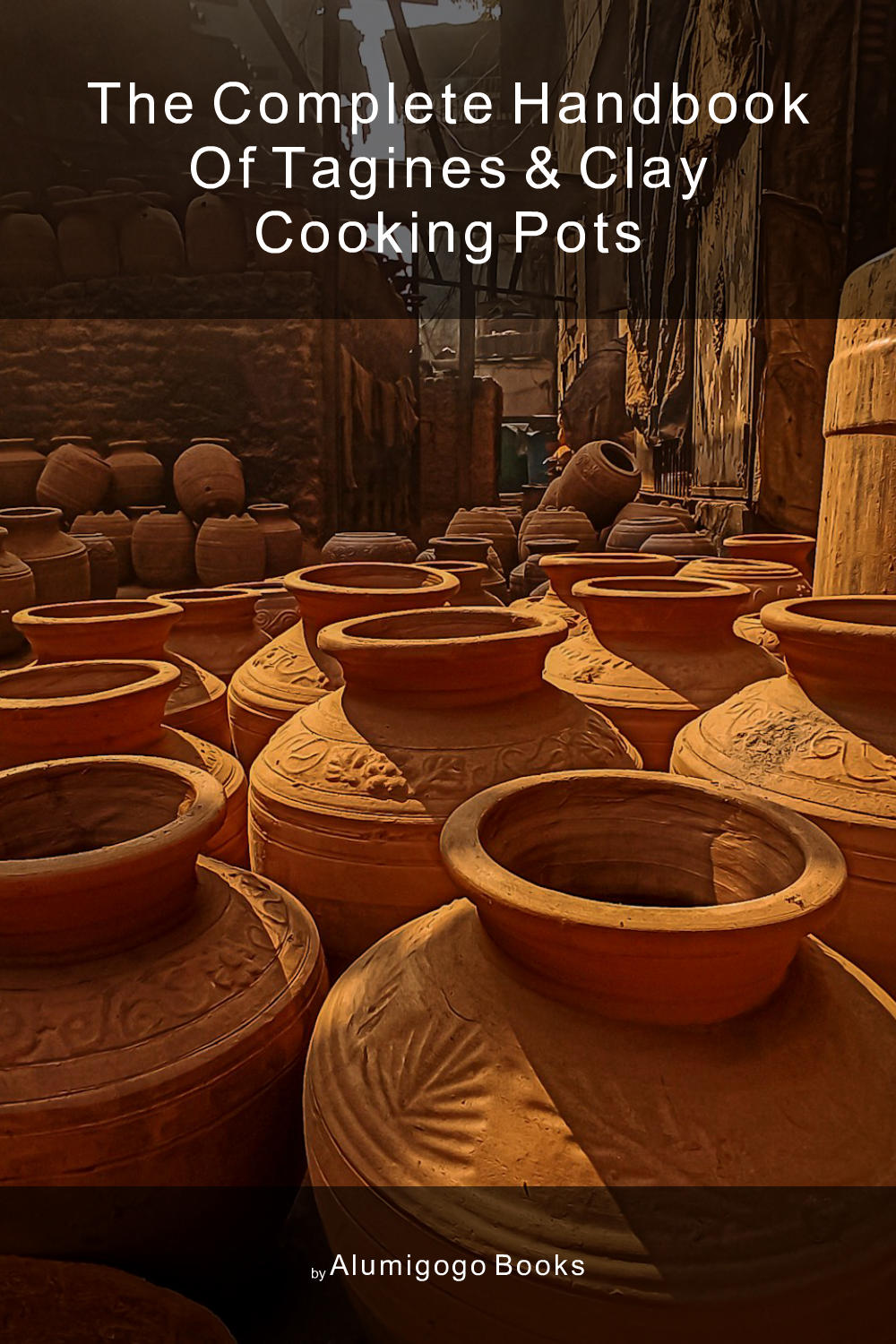
The Complete Handbook of Tagines & Clay Cooking Pots
A professional's field guide to selecting, using, and maintaining tagines and clay cooking pots
★★★★★4.8 · 4 reviewsby Alumigogo Books
non-fiction
The definitive practical manual for tagines and clay pots: selection, seasoning, cooking technique, maintenance, and the business of clay.
🔒Secure checkout via Stripe
Labor Day Sale
$9
About this book
Clay cookware is not a novelty; it is a precise tool for slow, moist cooking, and it requires different handling than any metal pan. This book gives you the working knowledge to get consistent results from traditional Moroccan tagines, Italian and Spanish clay cazuelas, Indian biryani handi, and modern ceramic flameware. You will learn what to look for when buying, how to cure and season a vessel, which cooking techniques each shape supports, and how to troubleshoot cracking or leaking.
Beyond the kitchen, this handbook covers equipment specification for commercial kitchens, supplier sourcing, private-label opportunities, and the rental or class-based business models that serious enthusiasts have turned into revenue. It also sets expectations straight about lead testing, quality grades, and which claims from manufacturers actually matter. Every recommendation is grounded in how the clay behaves under real cooking conditions, not in folklore.
Written for professionals and serious hobbyists, the book is organized for reference, not for reading cover to cover. Use it to evaluate a purchase, to fix a stubborn seasoning problem, or to scope out a new revenue stream. This is the book that cookware retailers wish they had written.
Reader Reviews
Sarah Taylor
★★★★★The best reference I've found on clay cookware, and I say that as someone who's bought far too many tagines. I particularly appreciated the chapter on specifications, which finally explained why one cheap pot cracks and another one doesn't. The section on seasoning is worth the price alone. I did wish the troubleshooting chapter had a few more direct photos, but the text is precise enough that I managed to save a leaking cazuela. If you work in a professional kitchen, this is a genuinely useful manual.
Laura Walker
★★★★★I run a small heritage cookware import business, and this book has already saved me from two bad bulk orders. The comparison of clay bodies and glazes isn't theory, it's clearly written by people who have cooked in these things for years. I now check for the specific defects they describe, like inconsistent wall thickness and pinholing in the glaze, and my return rate has dropped noticeably. Also, the business chapter got me thinking about adding a rent-a-tagine service for local restaurants, which is now a small but steady revenue line. A must-have for anyone serious about this category.
Jeffrey Lee
★★★★★I'm a private chef and have cooked with tagines for years, butalways had to rely on trial and error to get them right. This handbook finally explains why a tagine works the way it does, and why the dome shape matters for condensation return. The section on heat management with a diffuser, and how to recover a pot that has boiled dry, has already saved me. I also appreciate that the book does not romanticize the cookware; it tells you where clay is not the right tool. Solid, practical, and worth the shelf space.
Mark Perez
★★★★★As a professional ceramicist, I was worried this would be another fluff piece. It is not. The chapter on installation and usage has the most accurate description of the seasoning process I have seen in print, including the actual chemical changes in the clay. I recommended it to my wholesale clients who sell my pots to restaurants. The book's warnings about thermal shock and the correct heating method are spot on. The only reason I do not give it a perfect score is that I wish it spent more time on the repair of irreplaceable antique pieces. Still, for new and mid-market cookware, it is the definitive guide.