The Complete Handbook of Surveying
Essential Knowledge for Land Professionals, Construction Teams, and Property Stakeholders
★★★★★4.0 · 5 reviewsby Alumigogo Books
non-fiction
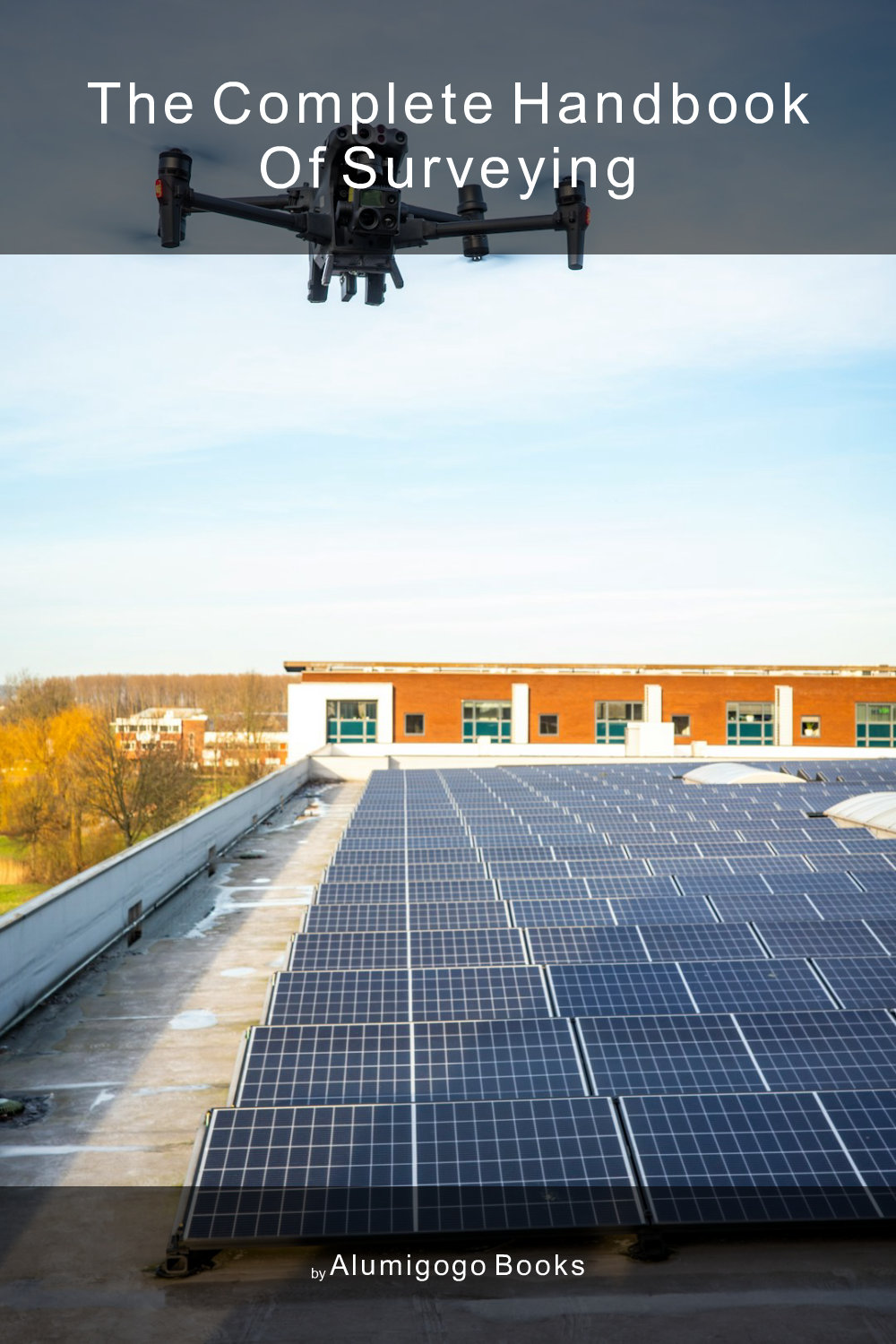
The Complete Handbook of Surveying
Essential Knowledge for Land Professionals, Construction Teams, and Property Stakeholders
★★★★★4.0 · 5 reviewsby Alumigogo Books
non-fiction
A no-nonsense reference for land professionals and property stakeholders: understand surveying methods, choose the right survey, and work confidently with survey data.
🔒Secure checkout via Stripe
Labor Day Sale
$9
About this book
Surveying is fundamental to construction, development, and property management—yet many professionals, business owners, and property stakeholders treat it as a mysterious service that happens off-site. This handbook demystifies surveying by explaining what surveyors actually measure, how they measure it, and why the results matter to your project.
You'll learn the concrete differences between survey types (boundary, topographic, construction, utility), understand what accuracy specifications mean and why they matter to your budget and timeline, and discover how to evaluate whether a proposed survey will actually answer your questions. The handbook covers essential equipment, field procedures, data formats, and common problems—plus practical guidance on selecting survey providers, understanding costs, and interpreting results without relying entirely on professional intermediaries.
Whether you're a construction manager coordinating site work, a property owner evaluating development costs, a civil engineer specifying survey requirements, or a service provider building expertise in your market, this reference gives you the knowledge to make informed decisions and recognize when something has gone wrong.
Reader Reviews
Richard Nguyen
★★★★★This is exactly what I needed. I've been managing construction projects for twelve years but always felt hazy about what surveyors actually do and why some quotes were double others. Chapter 1 alone cleared up misconceptions I've had for years—the explanation of how different survey types measure different things, and why a boundary survey won't give you what a topographic survey will, finally made sense. I've already used the selection guidance in Chapter 3 to write better survey specs for our next project. Highly recommended for anyone who works with surveyors but isn't one.
Sharon Miller
★★★★★Solid reference, though it's heavier than I expected. The technical depth is useful if you're deep in the weeds on a large project or evaluating a survey report yourself, but it might be more than a typical property owner needs. The first chapter does a good job setting context, but I found myself skipping sections once I got what I needed. That said, it's well-organized and you can actually find the answers you're looking for without reading end-to-end.
Amanda Scott
★★★★★I was looking for something to help me spec out a survey for a development proposal and this delivered. The chapter on choosing the right survey type was practical—the author walks through real scenarios and explains why you'd choose one approach over another, not just listing options. My only minor complaint is that some of the equipment descriptions assume you already know a bit, but overall I found it clear and useful.
George Nelson
★★★★★Good information but a bit dry. I understand the need to avoid marketing fluff, but there were sections where a diagram or a worked example would have made things stick better. The glossary at the end is helpful. I'd recommend it to anyone running a significant construction or development project, but casual readers won't find it gripping. It's a reference—use it when you need it.
Sarah Harris
★★★★★Finally a book that treats surveying as a serious subject without oversimplifying. The author clearly understands the actual constraints and decisions surveyors face, and that perspective comes through. I appreciate that it doesn't pretend surveying is more uniform or perfect than it actually is—the chapters on troubleshooting and choosing survey types are honest about tradeoffs and limitations. This is the handbook I'll keep on my desk and recommend to colleagues.