The Complete Handbook of Spinning Tops
The Practical Reference for Hobbyists, Collectors, Retailers, and Enthusiasts
★★★★★3.7 · 7 reviewsby Alumigogo Books
non-fiction
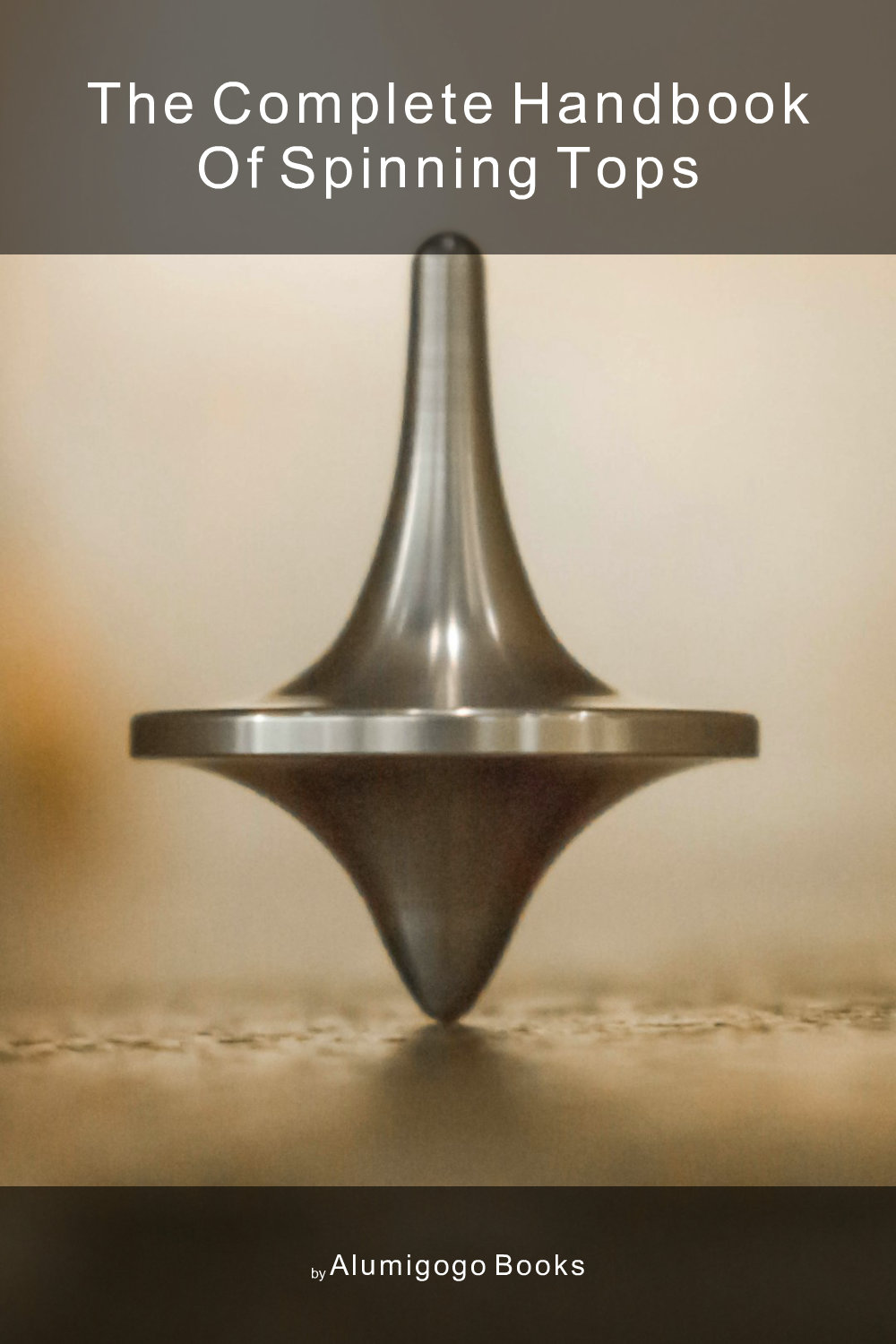
The Complete Handbook of Spinning Tops
The Practical Reference for Hobbyists, Collectors, Retailers, and Enthusiasts
★★★★★3.7 · 7 reviewsby Alumigogo Books
non-fiction
The definitive reference for understanding, sourcing, maintaining, and building a business around spinning tops—written for professionals, not casual players.
🔒Secure checkout via Stripe
Labor Day Sale
$9
About this book
Spinning tops are far more than children's toys. For collectors, retailers, enthusiasts, and entrepreneurs, they represent a measurable category with distinct mechanics, global supply chains, grading standards, and serious profit potential.
This handbook is organized around what professionals actually need to know: how tops work mechanically and why that matters to performance; how to read and compare specifications across manufacturers and grades; how to source the right top for a specific use case; how to maintain tops and diagnose failure modes; which suppliers dominate which market segments; and where real business opportunities exist—from reselling and servicing to private-label manufacturing and consulting.
Each chapter is grounded in concrete examples, measurable criteria, and real-world context. There is no marketing, no nostalgia, and no filler. If you manage inventory, advise buyers, repair or restore tops, or are exploring this category as a business, this is your reference.
Reader Reviews
Cynthia Martinez
★★★★★I'm a collector and I appreciated the mechanical depth in the first chapter—finally someone explaining how bearing quality actually affects spin time instead of just saying 'this one spins longer.' The maintenance chapter was solid too. But the business chapters felt a bit thin for someone just buying tops for themselves. Probably worth it if you're actually reselling, but for a pure hobbyist it's more reference than practical guide.
Jeffrey Robinson
★★★★★This is exactly what I needed. I started importing tops from a supplier in Asia and had no idea how to grade them or talk specs with manufacturers. Chapter 2 on types and specifications alone saved me hours of trial-and-error, and Chapter 6 on sourcing and private-label opportunities gave me concrete next steps. Written like it respects the reader's intelligence. Highly recommend if you're doing this seriously.
Nancy Hill
★★★★★Really well-organized and the mechanical explanation in Chapter 1 is clear without being oversimplified. I used it to help a friend pick a top based on his budget and use case, and the decision framework in Chapter 3 made that conversation much easier. Minor complaint: some of the troubleshooting feels a bit generic, and I wish there were more photos or diagrams of specific parts, but overall solid reference.
Linda Garcia
★★★★★The book is well-written and covers a lot of ground, but I came away feeling like it's really aimed at people who want to start a business with tops, not collectors who just want to understand what they own. The supply-chain stuff is interesting but wasn't why I bought it. Still valuable, just not quite the audience match I expected.
Edward Smith
★★★★★Outstanding. I run a small retail operation and this handbook is now on my shelf next to product catalogs. The grading standards, sourcing sections, and business opportunities chapters are goldmines. The glossary alone clarifies terminology I've been uncertain about for years. No fluff, no marketing speak—just practical, concrete information. This is the resource the category was missing.
Rebecca Rivera
★★★★★Appreciated the no-nonsense tone and the fact that the author isn't trying to sell me anything. Chapter 1 made me actually understand the physics behind why some tops perform better than others. That said, once I got past the mechanical explanation, a lot of the later chapters focused on business or reselling scenarios that don't apply to me. Good book, just not for everyone.
Amy Garcia
★★★★★This is the kind of handbook that should exist for more categories. Clear, direct, grounded in real examples, and it doesn't waste time on nostalgia or marketing. I'm using it to guide inventory decisions at my shop. My only wish is that some of the troubleshooting section had more depth on restoration techniques, but that's a small gap in an otherwise thorough reference.