The Complete Handbook of Sound Meters
Selection, installation, calibration, and repair for professionals, businesses, and serious enthusiasts
★★★★★3.9 · 8 reviewsby Alumigogo Books
non-fiction
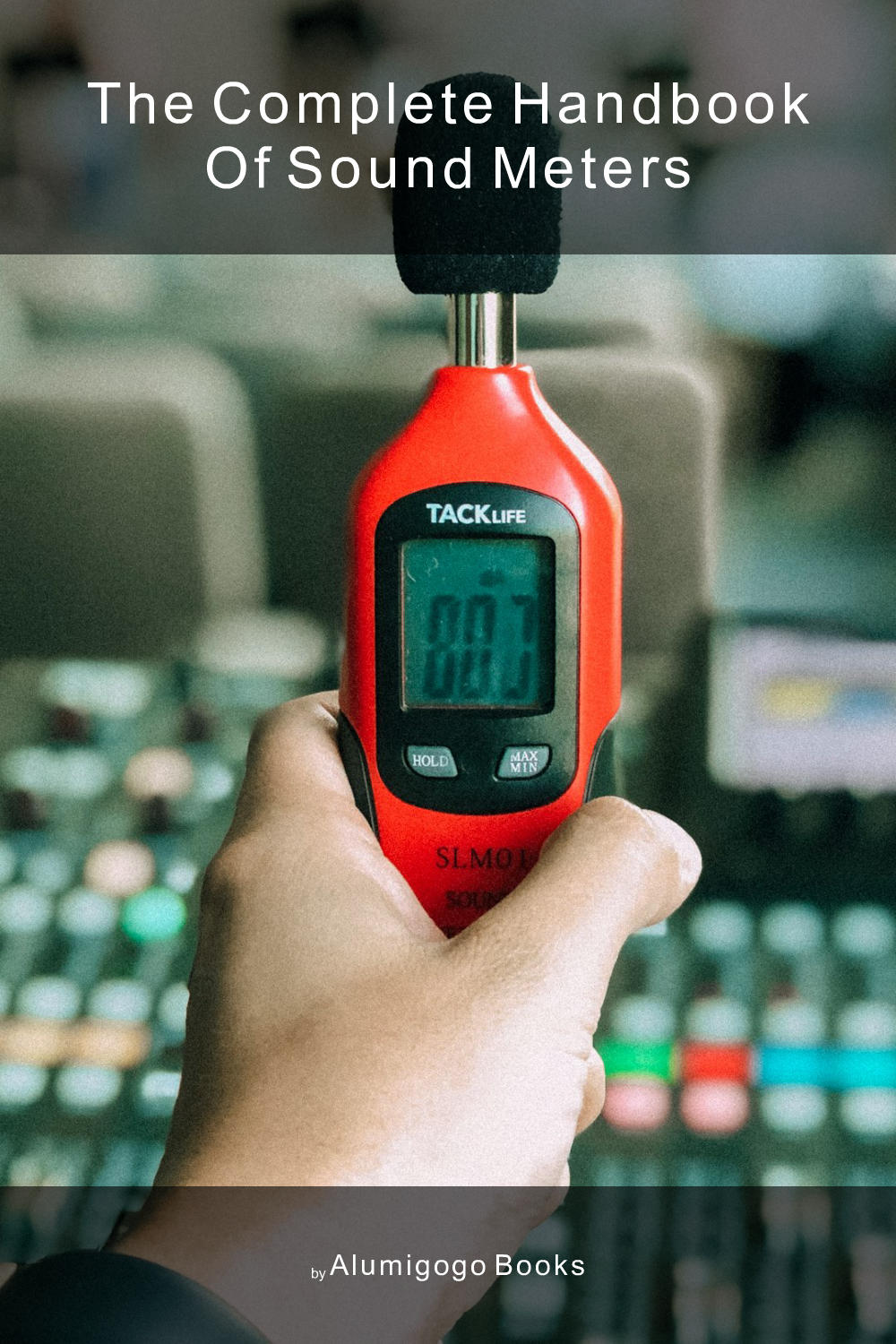
The Complete Handbook of Sound Meters
Selection, installation, calibration, and repair for professionals, businesses, and serious enthusiasts
★★★★★3.9 · 8 reviewsby Alumigogo Books
non-fiction
The practical handbook for anyone who needs valid sound measurements, not just numbers. Selection, use, calibration, and repair, without the marketing fluff.
🔒Secure checkout via Stripe
Labor Day Sale
$9
About this book
Most sound meter guidance comes from one of two places: a manufacturer's brochure that highlights features you may never need, or a forum thread where someone swears their phone app is "close enough." Neither will help you when a regulatory inspector questions your readings or a client disputes a noise complaint report. This handbook assumes you intend to take measurements that are defensible, repeatable, and legally or technically meaningful.
You will learn how sound meters actually work, from the microphone's response to the detector's averaging time, and why those internals dictate which meter you should buy for a specific task. We cover the standards that define meter classes and grades, the real differences between budget, mid-range, and premium instruments, and the calibration routines that separate credible data from guesswork. Installation, positioning, and day-to-day usage are treated in detail, not as afterthoughts.
The final sections address what happens after you own a meter: maintenance, troubleshooting common failures, and how to identify business opportunities in rental, resale, calibration services, and noise consulting. Whether you are equipping a one-person consultancy or a ten-branch industrial maintenance team, this handbook gives you the practical knowledge to get valid data and keep your instruments trustworthy.
Reader Reviews
Christopher Baker
★★★★★It's a solid reference, no question. I've been doing noise surveys for about six years and the chapter on positioning and field setup is genuinely better than what I got in training. I knocked off a star because the troubleshooting section felt a bit thin, especially around firmware issues, and I would have liked more detail on data export workflows. But as a desk reference it's earned its spot on my shelf.
Carol Roberts
★★★★★I bought a new sound level meter for my HVAC business last year and made every mistake this book warns about: bought a Class 2 meter when I needed Class 1 for municipal compliance, and I never calibrated the field unit before each survey. This handbook has already paid for itself. The explanations of weighting filters and the calibration schedules are clear enough that I finally understand the manuals that came with my equipment. I actually flagged half the book for my technician to read as well.
Daniel Hernandez
★★★★★This is the book I wish I had when I started doing environmental noise impact assessments. It goes beyond the spec sheets and explains the reasoning behind the standards, which is what you need when a client or a regulator questions your method. The chapter on choosing the right meter is pure gold. I've already recommended it to two colleagues, and it's now required reading for our junior staff.
Richard Martin
★★★★★The material is accurate and well organized, but I was hoping for more depth on modern smart sensors and cloud-based monitoring, which the book only touches on in the future trends chapter. The early chapters are a bit basic if you already have a background in acoustics, but the practical maintenance and calibration sections did give me a few good reminders. It's a useful reference, just not quite as comprehensive as I had hoped.
Carol Sanchez
★★★★★very thorough on the practical side of things. The comparison of meter classes and the explanation of time weighting was actually clear, which is rare. I especially appreciated the section on wind screens and positioning, because that's where I was making mistakes with outdoor measurements. Only gripe is the glossary is a bit short, but the index helped me find what I needed. Four out of five, would recommend for field techs.
Barbara Wilson
★★★★★Finally, a handbook that treats sound meters as serious tools instead of gadgets. The chapter on maintenance and troubleshooting is worth the price alone, because I was able to diagnose an overload issue in my own meter that I thought required a factory repair. The business opportunities chapter was a bonus that has me looking into a rental side business. This one stays on my desk, not on a bookshelf.
Laura Walker
★★★★★It's fine as an overview, but I found the tone a little dry, and I wanted more concrete examples of how to handle specific real-world measurement situations, like assessing gunshots or impulse noise. The sections on selection and installation were helpful, but I would have happily traded the brand comparison chapter for more data analysis guidance. It's a decent primer, just not the complete handbook the title implies.
Linda Jones
★★★★★I'm a hobbyist building a home theater and acoustic treatment for a small studio, so this book was maybe 70% relevant to me, with the rest aimed at professionals. For what I needed, the explanations of frequency weighting and how to properly position the meter in a room were genuinely useful. It's a bit dense and I skimmed the chapters on business opportunities, but I appreciated that it didn't talk down to a serious hobbyist.