The Complete Handbook of Slide Projectors
Professional and Enthusiast Guide to Selection, Operation, Maintenance, and Business Opportunities
★★★★★4.0 · 1 reviewby Alumigogo Books
non-fiction
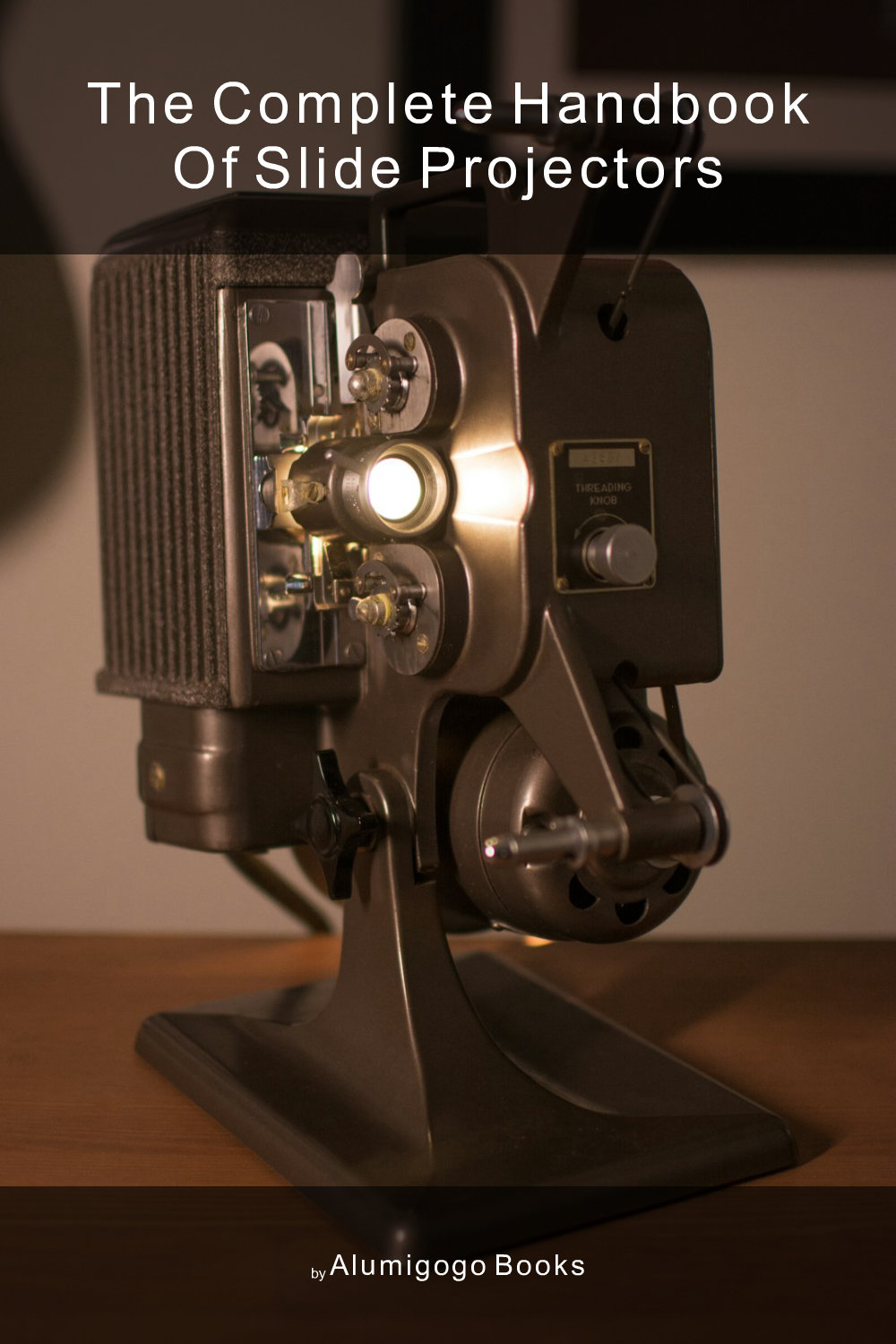
The Complete Handbook of Slide Projectors
Professional and Enthusiast Guide to Selection, Operation, Maintenance, and Business Opportunities
★★★★★4.0 · 1 reviewby Alumigogo Books
non-fiction
The complete reference for selecting, operating, maintaining, and profiting from slide projector systems. For professionals and serious users who need reliability.
🔒Secure checkout via Stripe
Labor Day Sale
$9
About this book
Slide projectors have been displaced in everyday business by digital projection, but they remain the standard in archival work, museum exhibitions, specialized education, and high-reliability presentation environments where film originals must be preserved and displayed. This handbook provides the knowledge base that manufacturers' manuals scatter across dozens of models and that practical experience teaches slowly.
You'll find detailed technical specifications explained in plain language, step-by-step installation and alignment procedures, maintenance schedules that actually prevent failures, concrete troubleshooting workflows for the problems you'll encounter, guidance on which models and configurations suit specific professional applications, and practical paths to building a service or rental business around slide projection equipment. Whether you're a museum curator, corporate AV manager, archivist, serious hobbyist, or equipment professional, this handbook delivers the information you need to operate slide projectors with confidence and maintain them reliably over years of use.
Reader Reviews
Jason Johnson
★★★★★I've been managing AV equipment for a corporate training center for eight years and had cobbled together knowledge from old manuals, the occasional manufacturer's rep, and trial and error. This handbook consolidates everything I wish I'd known upfront—especially the chapter on maintenance schedules and the diagnosis flowcharts in troubleshooting. The business section is also surprisingly useful; turns out there's real money in supporting institutions that still rely on slide projection. Wish the chapter on future trends had gone deeper into how archival institutions are actually integrating digital scanning with slide systems, but overall this is the reference I've been looking for.