The Complete Handbook of Shopping Totes
A practical reference for buyers, sellers, and designers of reusable and retail shopping bags
★★★★★4.4 · 5 reviewsby Alumigogo Books
non-fiction
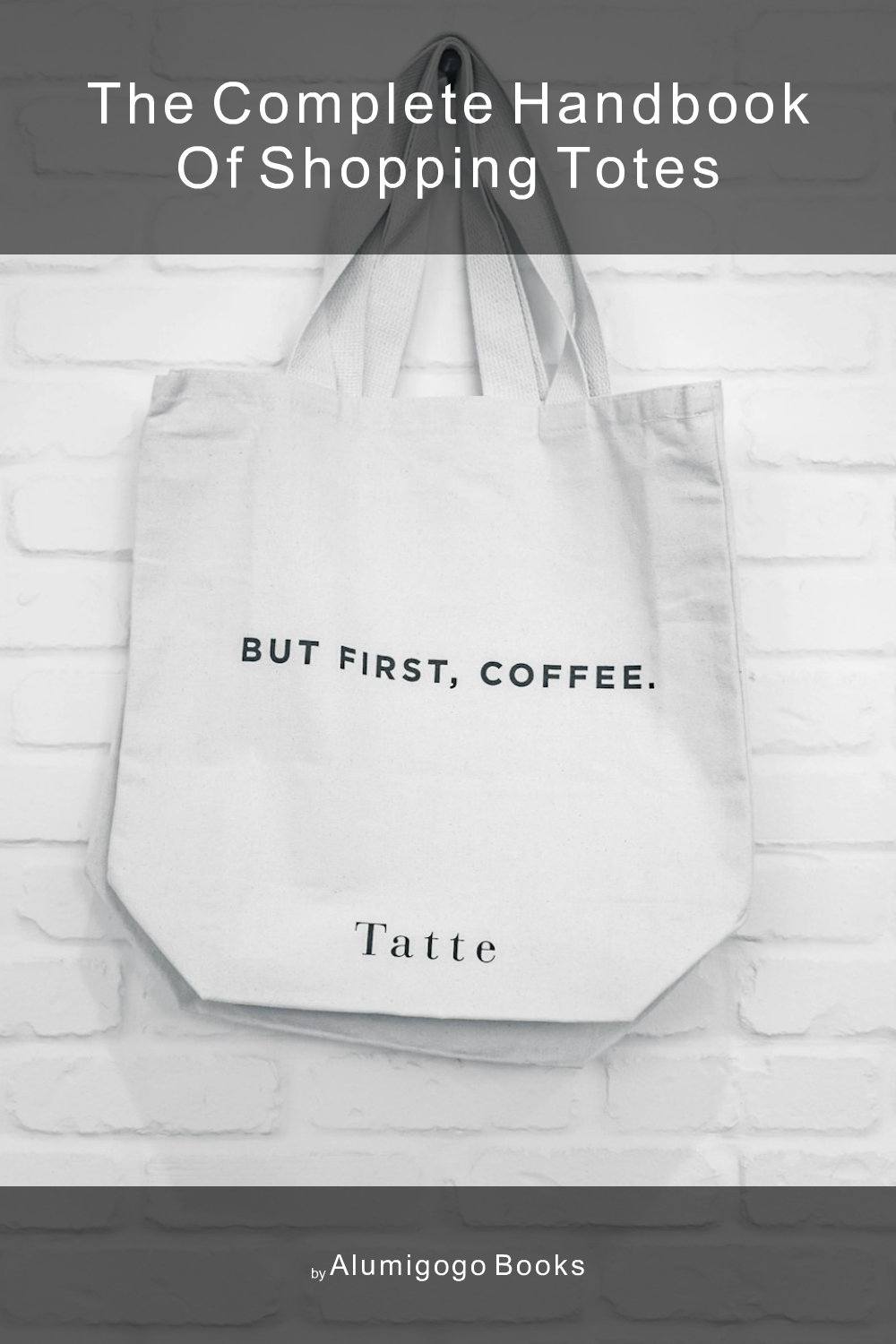
The Complete Handbook of Shopping Totes
A practical reference for buyers, sellers, and designers of reusable and retail shopping bags
★★★★★4.4 · 5 reviewsby Alumigogo Books
non-fiction
Everything you need to know to specify, source, use, and sell shopping totes, from cotton canvass to recycled PET.
🔒Secure checkout via Stripe
Labor Day Sale
$9
About this book
From the grocery run to the trade show floor, the shopping tote is one of the most ubiquitous pieces of carrying equipment in the world. But behind the simple form lies a complex set of decisions: What fabric weight is right for a daily commuter versus a heavy load of books? How do different handle attachment methods affect durability? What is the actual difference between a 200 GSM and 400 GSM non-woven polypropylene bag? This handbook answers those questions with concrete, technical detail, not marketing fluff.
The book begins with a rigorous breakdown of materials and construction, covering natural fibers like cotton and jute, synthetic materials like nylon and recycled PET, and the various coatings and laminations that affect water resistance and durability. It then moves into a practical framework for choosing the right bag for a specific context, covering load testing, handle geometry, and printability. Later chapters provide a guide to installation (for production lines), routine maintenance, repair techniques, and troubleshooting common failures like seam rip-out and fraying handles.
The final sections are dedicated to the commercial landscape: a look at notable manufacturers and suppliers, a practical guide to private labeling and reselling, and a forward-looking chapter on emerging trends like bio-based plastics and extended producer responsibility regulations. Written in neutral, accessible prose, it is an indispensable desk reference for anyone who buys, sells, or makes shopping totes.
Reader Reviews
Jonathan Baker
★★★★★I've been sourcing promotional bags for my agency for ten years and I've always worked off gut feel and whatever the supplier's sample looked like. This book finally gave me the actual technical vocabulary - I now know what to ask about on denier, GSM, and seam construction. The chapter on choosing the right tote is worth the price alone; we switched a client to a different handle style after reading it and the difference in durability was immediately visible to the customer. It's dry, but it's a reference book, and it does the job perfectly.
Amy Jackson
★★★★★Decent, thorough reference for the fundamentals. I'm a product designer and I appreciated the detailed breakdown of materials and the maintenance chapter on repairing seam rip-outs - that's information that used to take me hours of digging through forums to find. It lost one star because I felt the section on the newer bio-based materials was a bit thin, and I would have liked more specific data tables for load testing across different fabric thicknesses. Still, it's a solid handbook I'll keep on my shelf.
Margaret Wright
★★★★★Bought this for our small retailer's gift shop which carries a few nice canvas bags. It is more technical than I ever expected, but the explanations are clear enough that I could follow along. The maintenance section on washing and deodorizing was immediately useful, and the bit about why certain inks crack on recycled PET bags saved me from ordering a bad batch. It got a bit deep into the weeds on manufacturing for me personally, but I skipped those parts. A very solid, no-nonsense reference.
Edward Lewis
★★★★★This is what a reference book should be. I run a private-label printing operation and this has become my onboarding manual for new staff. The chart explaining the difference between woven, non-woven, and knit fabrics in terms of stretching and print quality ended a recurring argument in our shop. The business opportunities chapter gave me a concrete idea for a rental program for university campus events that we're now testing. It's not glamorous reading, but every page has something practical.
Lisa Rivera
★★★★★I was worried this would be a glorified catalog of cute bag photos, but it's actually a serious handbook. As someone who runs the sustainability program for a mid-size grocery chain, the chapter on materials and the overview of bag-ban regulations was exactly the context I needed before our next packaging review. I did find some of the material science sections repetitive with the glossary, and the forecasts at the end felt a bit speculative. But overall, a smart, practical read that I'll be referencing repeatedly.