The Complete Handbook of Sapote
A practical reference for buyers, growers, distributors, and food-service professionals
★★★★★3.3 · 4 reviewsby Alumigogo Books
non-fiction
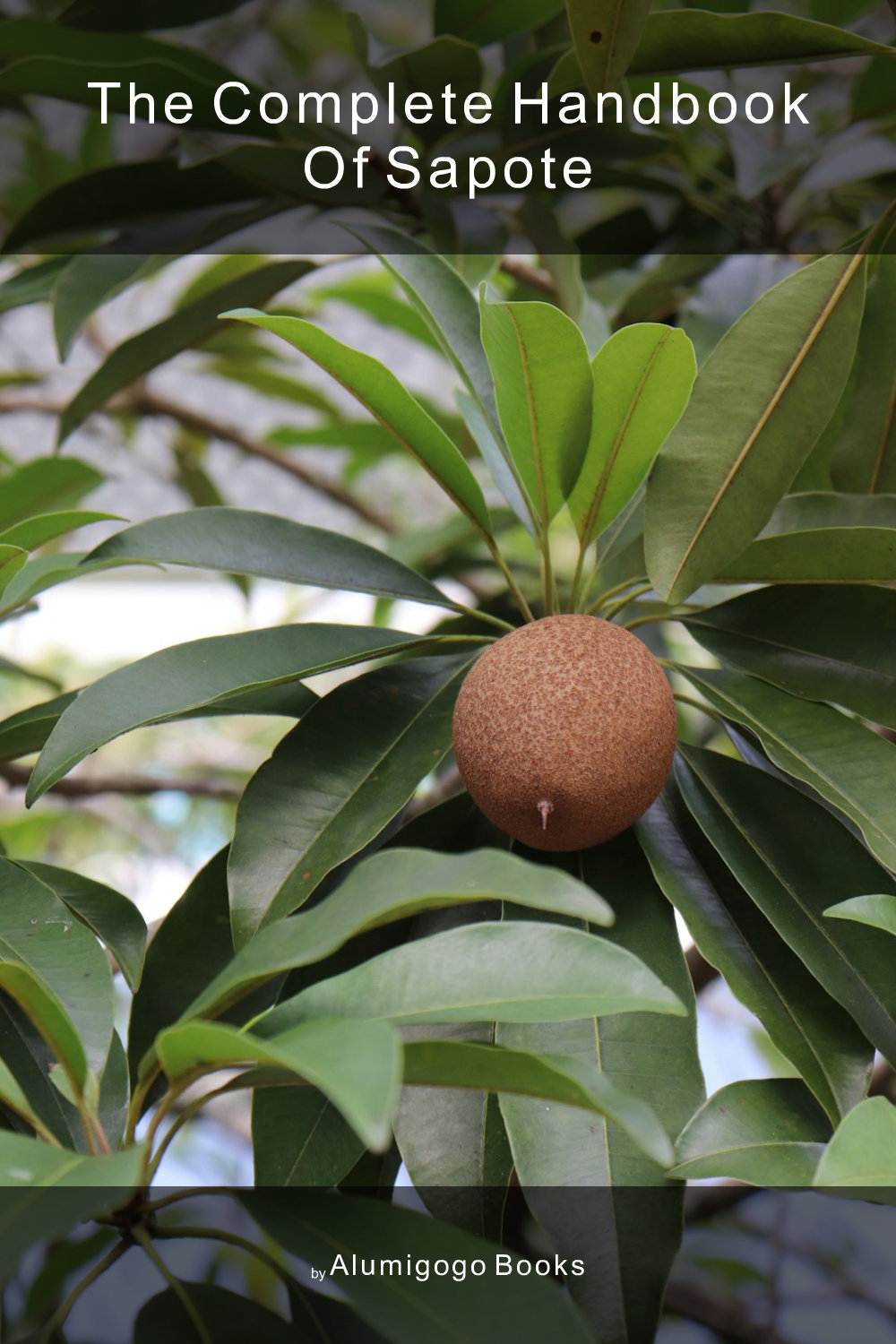
The Complete Handbook of Sapote
A practical reference for buyers, growers, distributors, and food-service professionals
★★★★★3.3 · 4 reviewsby Alumigogo Books
non-fiction
The complete technical guide to sourcing, handling, and selling sapote—varieties, grades, ripening, and market logic.
🔒Secure checkout via Stripe
Labor Day Sale
$9
About this book
Sapote is a category loaded with naming confusion and handling pitfalls. The same common name covers several distinct botanical families, and a single variety can change price and quality dramatically depending on harvest timing and post-harvest treatment. This handbook cuts through that confusion by providing a clear, systematic reference for professionals who cannot afford guesswork. It covers the full commercial lifecycle: identifying the true botanical species, evaluating grade standards, specifying ripeness stages, and understanding the specific temperature and humidity tolerances that prevent chilling injury and fermentation loss.
Beyond basic handling, this book addresses the business side of sapote with equal rigor. It explains how wholesale markets price different varieties and grades, what concrete signals indicate a good or bad batch at the loading dock, and how to troubleshoot common storage failures like internal browning or off-flavors. For those looking to build a commercial operation, it outlines realistic opportunities in wholesale distribution, specialty food processing, and orchard consulting, including the regulatory and certification landscapes that affect shelf life and export potential.
Written for a readership that values facts over fluff, The Complete Handbook of Sapote is a decision-support tool, not a brochure. It includes practical checklists for inspection, actionable comparison tables for variety selection, and a troubleshooting matrix for common post-harvest failures. Whether you are a produce manager at a regional chain, an importer navigating customs terminology, or a hobbyist with a serious orchard, this book gives you the language and the logic to operate with confidence.
Reader Reviews
Eric Rodriguez
★★★★★I bought this expecting a basic guide, and it's definitely more thorough than that. The chapter on understanding the different species was useful because I genuinely thought all sapote were the same until I read it. I did think the first chapter dragged a bit with the botanical details, and I was hoping for more on actual pricing negotiation, which I didn't really get. Still, for a wholesale buyer like me, it's a solid baseline reference, even if it feels a bit like reading a textbook sometimes.
Elizabeth Thompson
★★★★★The book does a good job of laying out the complexities of sapote grading and handling. The specifics about ethylene ripening and the chilling injury temperatures are things I haven't found clearly explained elsewhere. My main gripe is that it could use more color plates to show the defect examples; the text descriptions are accurate but it's tough to visualize a specific rot or internal browning without a photo. The business chapter is a bit generic, but the technical knowledge makes it worth the shelf space.
Amanda Nelson
★★★★★As a hobbyist with a few trees, I thought I knew the buying side well, but this handbook filled in a lot of gaps about the commercial supply chain. I found the troubleshooting chapter particularly useful for identifying why my fruit was sometimes mealy. I'm giving it three stars because the target audience feels inconsistent; sometimes it's talking to a high-end importer and other times to a home grower, and it doesn't always clear that transition. It's a good reference, but not the definitive guide I hoped for.
Susan Campbell
★★★★★This is the practical reference I've been looking for. I manage a specialty produce department and the decision matrix in chapter three really helped me justify ordering more Mamey versus Black Sapote based on our actual turnover rates and shrink percentages. The advice on cold storage tolerances has already reduced my spoilage numbers. The first chapter is a bit dense, but it's worth it because it gives you the 'why' behind the handling rules. I'll be buying a copy for the head of our kitchen staff.