The Complete Handbook of Printer Duplexers
A practical reference for professionals, businesses, and serious hobbyists who need to select, install, maintain, and profit from duplex printing hardware
★★★★★5.0 · 1 reviewby Alumigogo Books
non-fiction
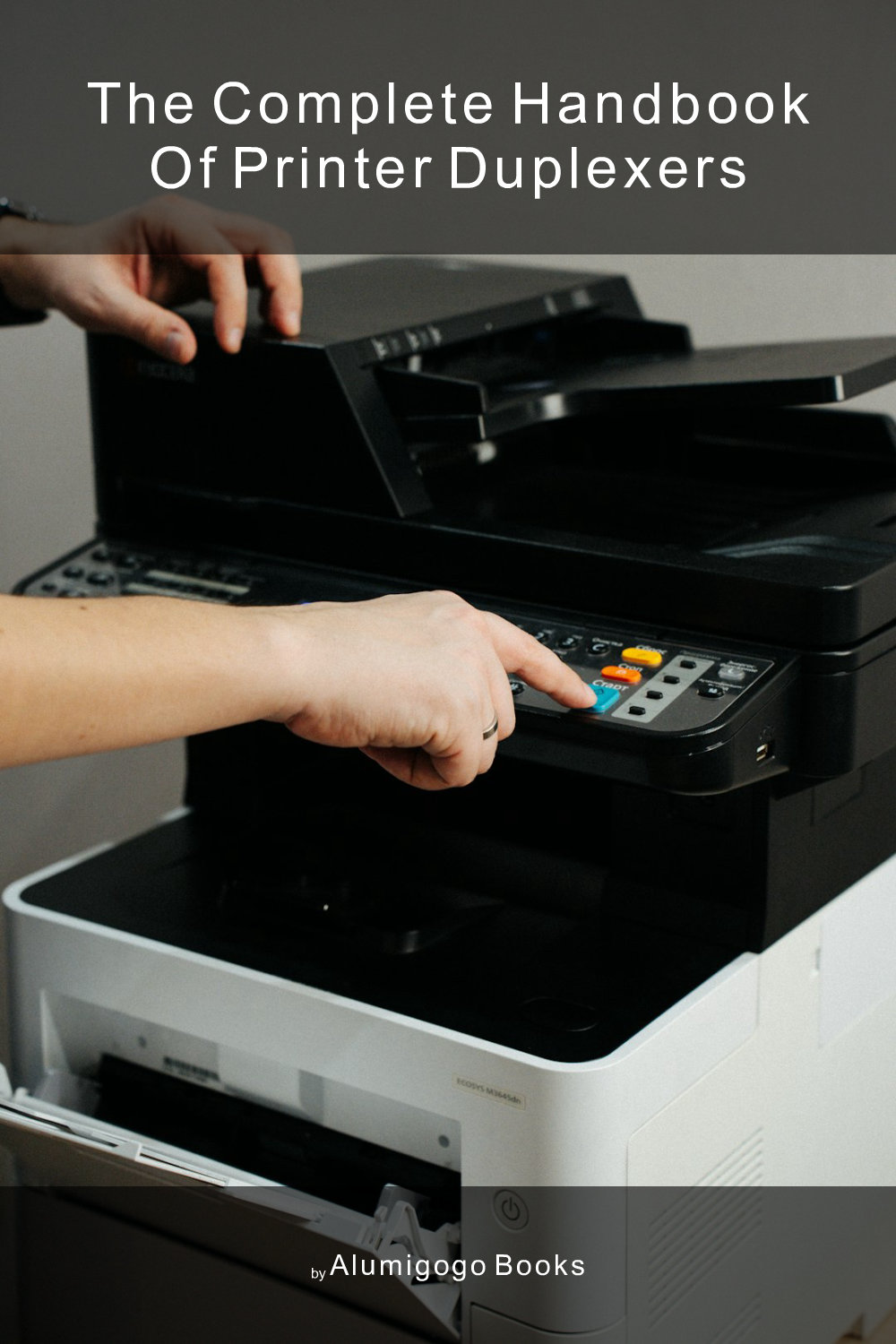
The Complete Handbook of Printer Duplexers
A practical reference for professionals, businesses, and serious hobbyists who need to select, install, maintain, and profit from duplex printing hardware
★★★★★5.0 · 1 reviewby Alumigogo Books
non-fiction
The definitive technical and commercial reference for anyone who specifies, maintains, or profits from printer duplexers.
🔒Secure checkout via Stripe
Labor Day Sale
$9
About this book
From the first page-fed sheet to the last jammed corner-fold, this handbook covers the duplexer as a system of rollers, sensors, clutches, and firmware timers. It explains the physics of paper curling, the differences between C-shaped and straight-through paper paths, and why a 600-sheet duplex unit on a $200 inkjet fails differently than an integrated unit on a $30,000 production press. You will learn how to read a spec sheet for what matters - not just pages-per-minute, but pick-roller durometer, paper-weight tolerance, and jam-recovery times.
Beyond the hardware, the book covers the economics: how duplexing changes consumable costs, how to price a servicing contract, what to look for in a used machine's duplex unit, and which market niches (legal, education, manufacturing) have unique requirements. The troubleshooting chapter provides a structured diagnostic method for the most common 80% of field failures, from misfeeds on textured stock to registration drift on long runs.
Written for the working professional, this is a reference you will keep on the bench, not the bookshelf. It includes checklists for installation, maintenance logs, and a glossary of the terms every technician and reseller needs to communicate precisely with manufacturers and clients.
Reader Reviews
Eric Harris
★★★★★I've been repairing MFDs for eleven years, so I was skeptical a book could teach me anything new. But the chapter on paper-path architecture and its direct link to specific jam patterns was worth the price alone. The maintenance chapter also made me reconsider how I pitch service contracts - I've already adjusted my pricing. It's dense and sometimes dry, but that's exactly what a reference should be. I've recommended it to two apprentices.