The Complete Handbook of Peppers
A Professional's Field Guide to Selection, Storage, Handling, and Culinary Use
★★★★★3.5 · 2 reviewsby Alumigogo Books
non-fiction
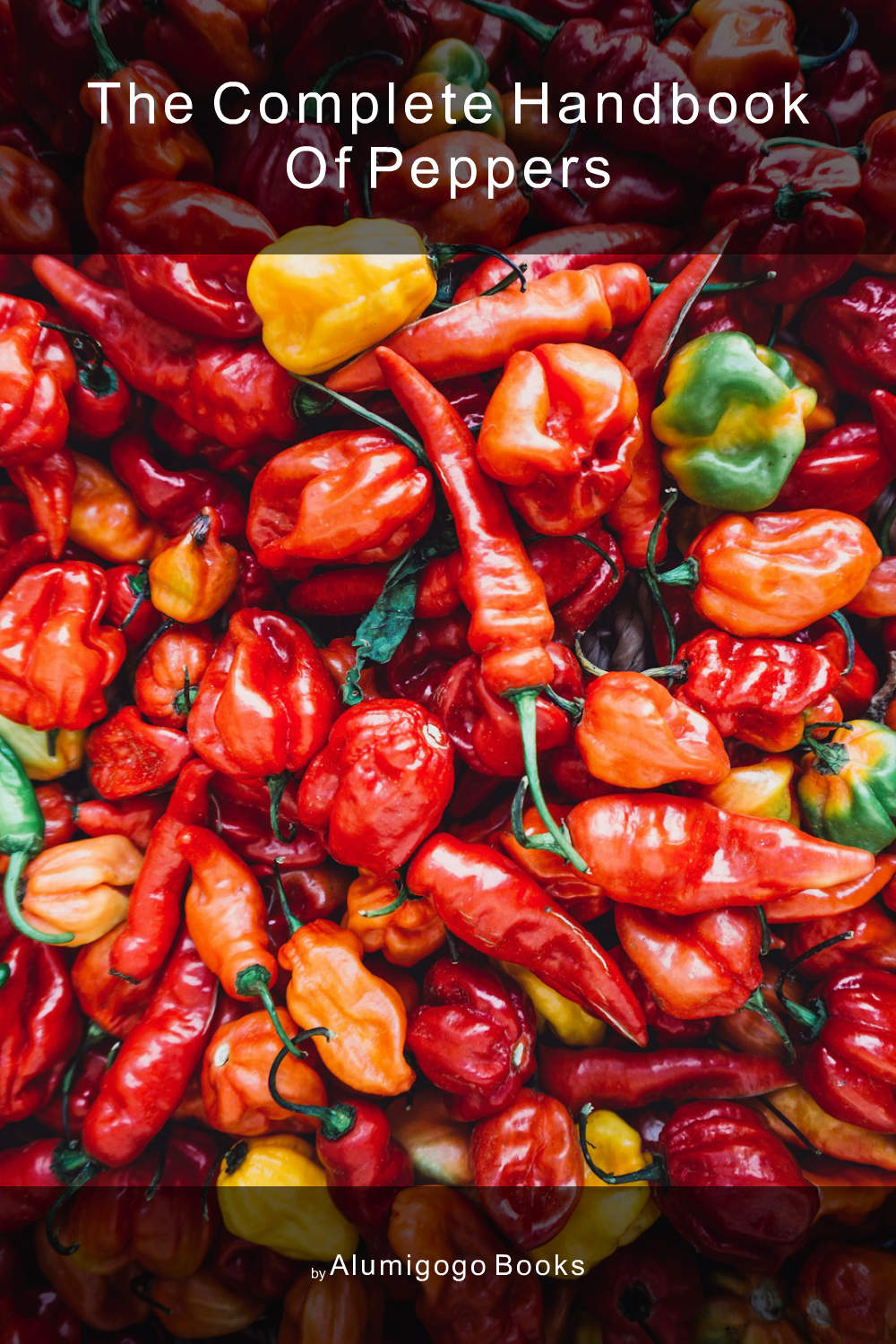
The Complete Handbook of Peppers
A Professional's Field Guide to Selection, Storage, Handling, and Culinary Use
★★★★★3.5 · 2 reviewsby Alumigogo Books
non-fiction
From Scoville units to shelf life, a complete practical reference for selecting, handling, and sourcing peppers at a professional level.
🔒Secure checkout via Stripe
Labor Day Sale
$9
About this book
Peppers are neither a simple garnish nor a single commodity. From the mild bell pepper used in bulk processing to the niche super-hot destined for extract manufacturing, each variety carries distinct specifications for heat, flavor, moisture content, and physical integrity that determine its appropriate use. The Complete Handbook of Peppers provides the technical grounding buy-side professionals and serious enthusiasts need to evaluate, purchase, and maintain these products without falling back on guesswork.
This reference begins by laying out the botanical reality of the genus Capsicum, including how the often-misunderstood Scoville scale actually works in practice and why a single variety's heat can fluctuate based on growing conditions. It then moves into detailed, practical territory: the specific grading criteria used in wholesale markets, how to build a moisture-loss model for a storage walk-in, and how to evaluate a supplier's contract terms beyond just per-pound price. The handbook also covers the full business landscape, from private-label opportunities in hot sauce to the logistics of supplying restaurants, and closes with a glossary of critical terms like capsaicinoid content, water activity, and ethylene production.
Written in a direct, educational style with concrete examples drawn from real wholesale market conditions, this handbook is designed to be consulted on the job, not shelved after a single read. It is for the produce manager negotiating a weekly contract, the restaurant buyer looking to reduce trim waste, and the specialty food entrepreneur verifying the authenticity and consistency of a key ingredient.
Reader Reviews
Eric Williams
★★★★★I've been buying produce for a restaurant group for eight years and I still learned things about pepper heat variability and ethylene management that will change how I write my specs. The chapter on choosing the right pepper is worth the price alone. I wish there were more full-color photographs of the different cultivars, but for a technical reference, the descriptions are precise enough to work from.
Mary Baker
★★★★★This is a solid, dense reference, but it's not quite what I expected. I was looking for more information on how to grow peppers commercially, and while it covers post-harvest handling and botany well, the growing itself is mentioned only in passing. The chapter on installation and usage is really about kitchen prep and commercial storage, not agronomy, which felt like a bit of a mismatch for me. Good book, just know what you're buying.