The Complete Handbook of Passive Circuit Components
The Practical Reference for Designers, Technicians, and Builders
★★★★★4.3 · 3 reviewsby Alumigogo Books
non-fiction
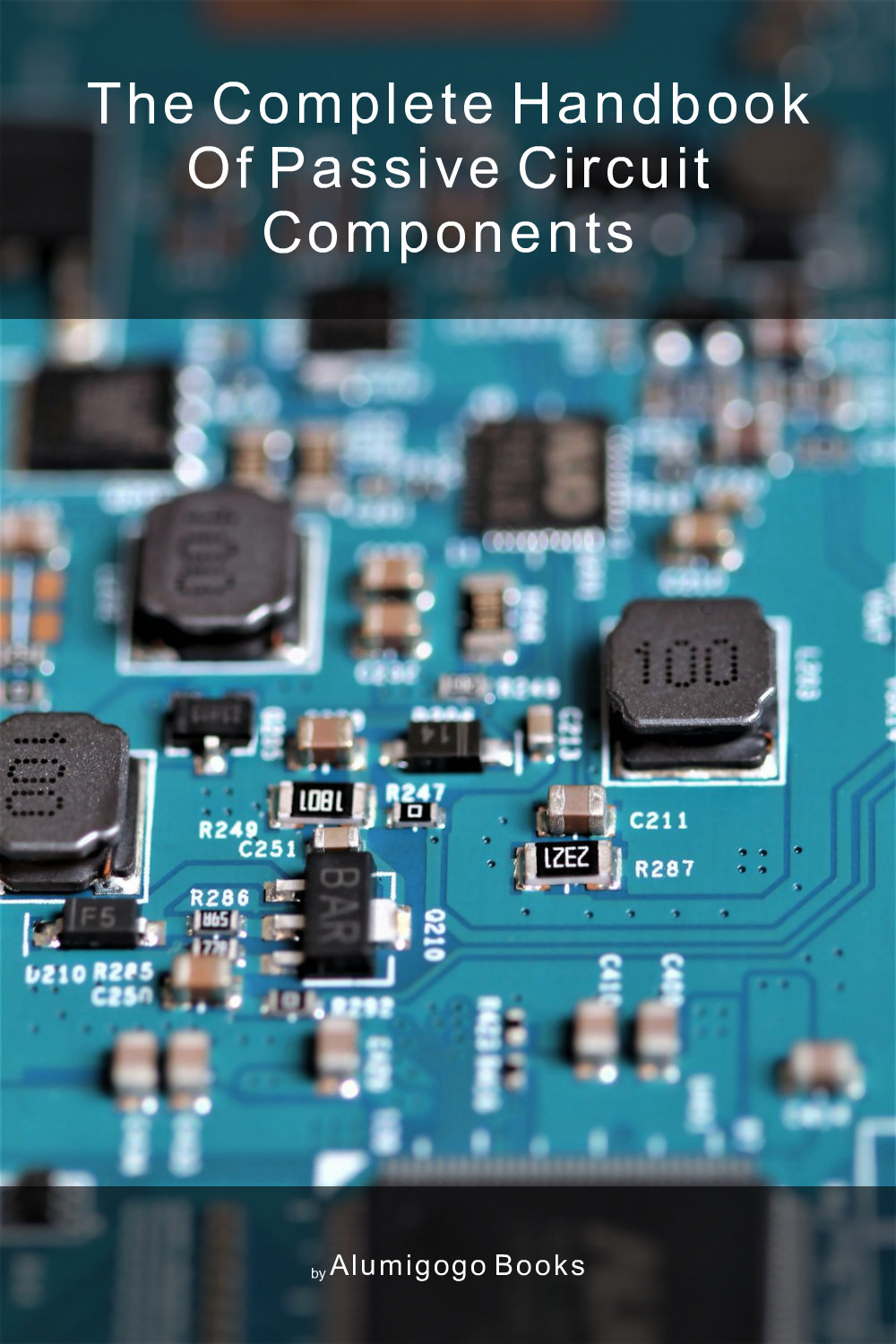
The Complete Handbook of Passive Circuit Components
The Practical Reference for Designers, Technicians, and Builders
★★★★★4.3 · 3 reviewsby Alumigogo Books
non-fiction
The unmarketed truth about resistors, capacitors, inductors, and passive circuit components. Practical guidance for professionals who need to specify them, build with them, and troubleshoot them.
🔒Secure checkout via Stripe
Labor Day Sale
$9
About this book
Passive circuit components—resistors, capacitors, inductors, and related devices—are everywhere. They're in your phone's power supply, your car's ignition system, and every industrial control board. Yet most engineers and technicians treat them as interchangeable parts, relying on manufacturer datasheets and guesswork instead of understanding how they actually behave under real conditions.
This handbook cuts through the noise. It explains what passive components are and why they matter, how to read specifications that actually predict performance, and how to avoid the common mistakes that result in field failures, rework costs, and schedule delays. You'll learn the real differences between component types, when cost-cutting creates hidden risk, and how temperature, frequency, and aging affect the components you've already designed in.
Written for circuit designers, technicians, procurement specialists, and serious hobbyists, this is a reference built on concrete examples and practical tradeoffs—not theory disconnected from the real world.
Reader Reviews
Deborah Jones
★★★★★I found the first chapter genuinely useful—it explains why passive components fail and what the real specs mean instead of just listing values. The handbook is thorough and well-organized, but I wish there were more failure case studies and photographs of actual damaged components. For a technician doing field repair, that would be more helpful than the generic descriptions. Still a solid reference to keep on the workbench.
Linda Lopez
★★★★★Finally a handbook that treats these components as real engineering products, not just commodities. The Chapter 1 explanation of how component aging and temperature actually affect circuit behavior is the kind of practical detail you never see in standard references. I'm recommending it to every junior engineer on my team—this saves hours of learning the hard way.
Sharon Johnson
★★★★★This is exactly what I needed. I've been designing circuits for 15 years and thought I knew passive components, but the specifics in this handbook—why certain capacitor types fail in automotive environments, what tolerance really means in practice, how to read a datasheet without missing the important details—are spot-on. No fluff, no marketing, just straight answers. Highly recommend.