The Complete Handbook of Nursing & Feeding
A practical reference for lactation professionals, feeding specialists, and parents managing nursing and bottle-feeding
★★★★★4.0 · 4 reviewsby Alumigogo Books
non-fiction
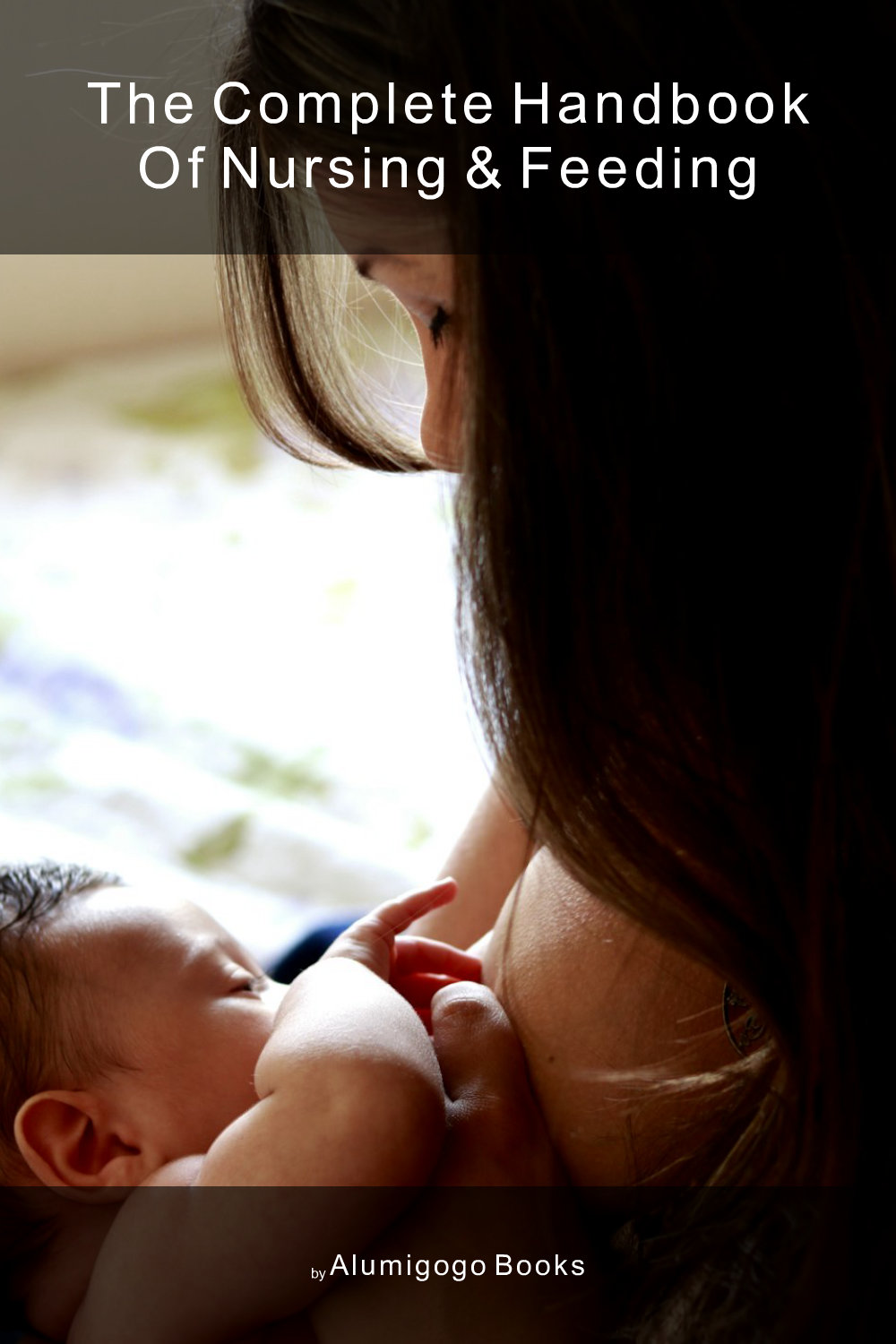
The Complete Handbook of Nursing & Feeding
A practical reference for lactation professionals, feeding specialists, and parents managing nursing and bottle-feeding
★★★★★4.0 · 4 reviewsby Alumigogo Books
non-fiction
The complete reference for managing nursing, bottle-feeding, and combined feeding from birth through early childhood—built for professionals, not marketing.
🔒Secure checkout via Stripe
Labor Day Sale
$9
About this book
Nursing and feeding is the single most time-intensive and medically significant activity of early infancy, yet information about it remains scattered across disconnected sources: lactation textbooks that don't cover bottle-feeding, manufacturer guides that omit physiology, and parenting blogs that conflate opinion with fact.
This handbook consolidates the knowledge you actually need: how nursing and feeding physically work, how to select and maintain equipment, how to diagnose and solve the most common problems, and how to recognize when professional intervention is needed. Written for lactation consultants, midwives, pediatric nurses, feeding therapists, and parents who want grounded, evidence-informed guidance, it covers the full spectrum of feeding methods—exclusive breastfeeding, exclusive bottle-feeding, combination feeding, and transitions between methods—with attention to the physiological realities, practical constraints, and equipment considerations that shape real-world outcomes.
Whether you're troubleshooting poor latch, selecting bottles for a reluctant eater, understanding why a baby is rejecting certain nipples, or advising a family on feeding transitions, this handbook provides the concrete, actionable knowledge to assess situations accurately and respond effectively.
Reader Reviews
Jessica Harris
★★★★★This is exactly what I needed as a new lactation consultant. Chapter 1 alone—the explanation of how nursing actually works mechanically, plus the real-world complexity of managing supply, equipment, and infant behavior simultaneously—clarified so much that my textbooks glossed over. The emphasis on concrete scenarios instead of ideal-case narratives feels honest and immediately useful in my practice. I've already recommended it to three colleagues.
Sharon Allen
★★★★★The book is solid and more practical than most parenting feeding guides, which I appreciated. My main complaint is that Chapter 1 spends a lot of time explaining *why* things matter (which is good) but could have gotten to the specific mechanics faster. Also, I wished there was more about combination feeding—it feels like the book still slightly favors breastfeeding as the baseline. But for troubleshooting problems and understanding equipment, it's genuinely useful.
Kathleen Nguyen
★★★★★I bought this thinking it would be comprehensive, and it is—but it's written for lactation professionals and specialists more than parents actually using this stuff. Chapter 1 is great, but the level of detail assumes you already understand feeding vocabulary and anatomy, which I don't. Useful reference material, but I felt like I was reading someone else's professional manual rather than a handbook designed for me as a parent.
Emily Garcia
★★★★★Phenomenal. I'm a pediatric nurse and I've been using scattered resources for years—this consolidates everything I actually consult on: how to assess a feeding problem, what equipment actually changes outcomes, when to refer to lactation. The honesty about what we don't know (like the true prevalence of nipple confusion) is refreshing. Chapter 1 sets the right tone: feeding is complex, context-dependent, and requires systematic thinking, not ideology.