The Complete Handbook of Motor Vehicle Fuel Systems
For technicians, fleet managers, shop owners, and serious hobbyists who need to understand, maintain, and troubleshoot real fuel systems
★★★★★5.0 · 1 reviewby Alumigogo Books
non-fiction
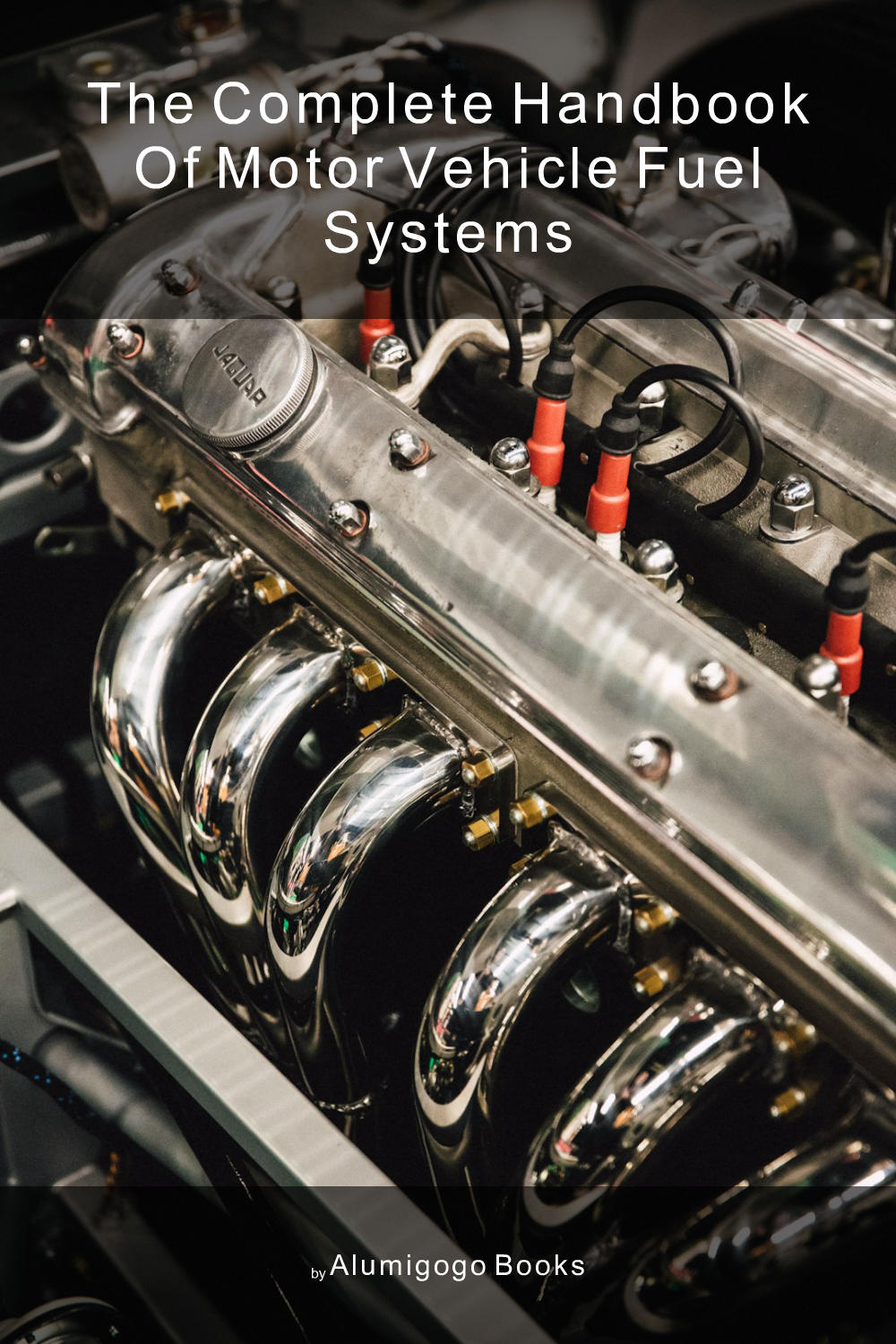
The Complete Handbook of Motor Vehicle Fuel Systems
For technicians, fleet managers, shop owners, and serious hobbyists who need to understand, maintain, and troubleshoot real fuel systems
★★★★★5.0 · 1 reviewby Alumigogo Books
non-fiction
Understand, diagnose, and troubleshoot complete motor vehicle fuel systems—from tank to injector—with concrete technical knowledge.
🔒Secure checkout via Stripe
Labor Day Sale
$9
About this book
A motor vehicle fuel system is not a simple tube from tank to engine. It is a pressurized, closed-loop circuit where fuel quality, pump performance, pressure regulation, and filtration must work together to meet precise injector demands and emission standards. A single failure—a clogged filter, a leaking injector, a failing pump—cascades through the entire system and often surfaces as a symptom elsewhere.
This handbook explains how fuel systems actually work, from the basic physics of pressure and flow through the complete architecture of modern fuel delivery. You will learn the difference between fuel rail pressure and system pressure, why returnless systems demand different diagnostics than return-type systems, and how to read a fuel system schematic correctly. Each chapter builds practical competence: selecting the right components for your application, installing or replacing them correctly, diagnosing failures with a systematic method rather than guesswork, and understanding when a fuel system issue is really about fuel quality or contamination.
Whether you maintain a single vehicle, manage a fleet, run a shop, or restore classics, this reference gives you the knowledge to keep fuel systems running reliably and to troubleshoot failures faster—without relying on trial-and-error or expensive dealer diagnostics.
Reader Reviews
Thomas Smith
★★★★★This is exactly what I needed. I run a small fleet of commercial vehicles and was tired of guessing why fuel-related issues kept cropping up. Chapter 1 alone cleared up misconceptions I had about pressure versus flow—and now when something goes wrong, I can actually diagnose it instead of just swapping parts. The troubleshooting section in Chapter 5 saved me hundreds on a fuel pump replacement that turned out to be a clogged filter. Real technical depth, no fluff.