The Complete Handbook of Motor Vehicle Engine Parts
A practical reference for professionals, businesses, and serious hobbyists selecting, installing, and maintaining engine components
★★★★★4.0 · 5 reviewsby Alumigogo Books
non-fiction
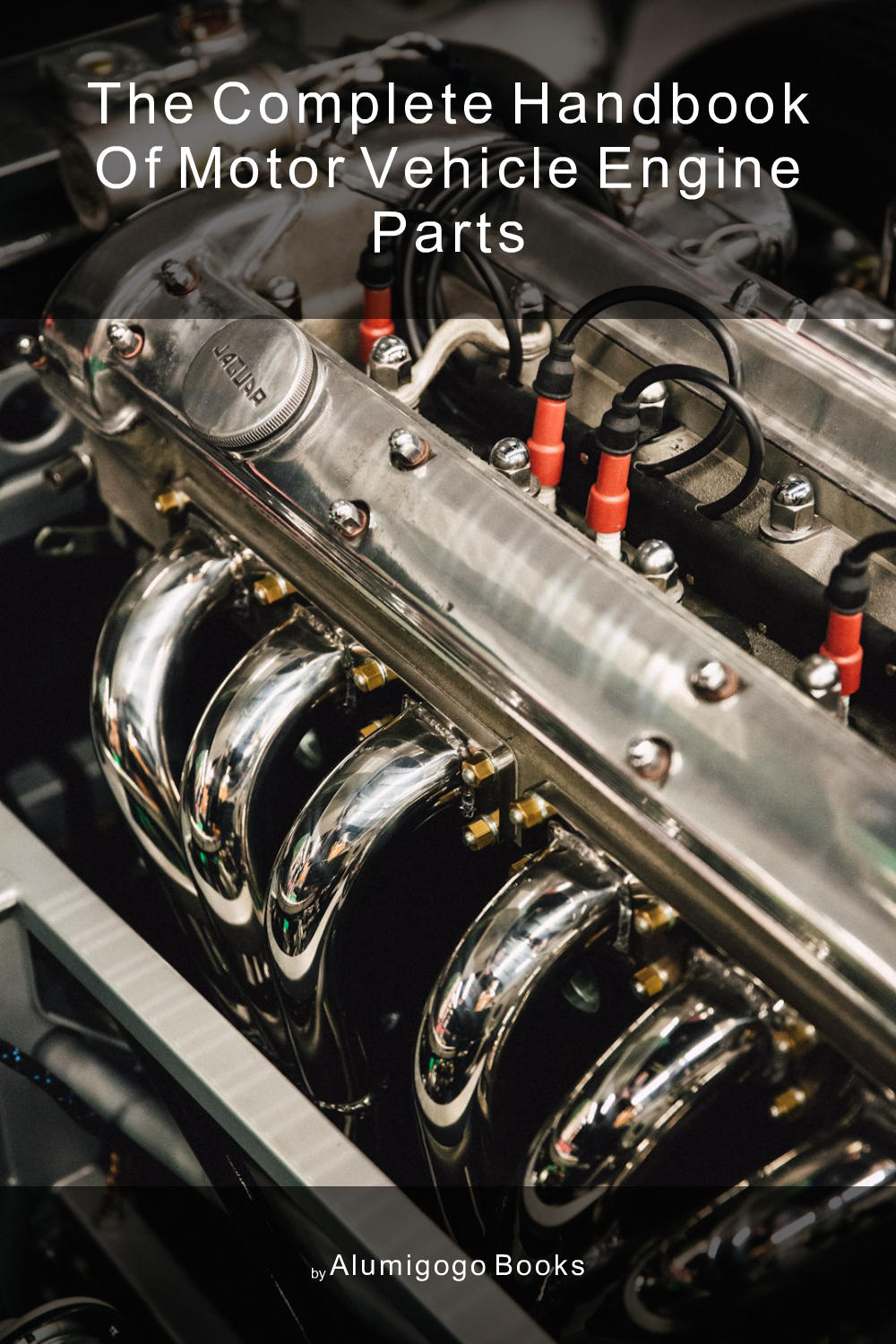
The Complete Handbook of Motor Vehicle Engine Parts
A practical reference for professionals, businesses, and serious hobbyists selecting, installing, and maintaining engine components
★★★★★4.0 · 5 reviewsby Alumigogo Books
non-fiction
Neutral, practical reference for selecting, installing, and maintaining motor vehicle engine parts—no marketing, only what you need to know.
🔒Secure checkout via Stripe
Labor Day Sale
$9
About this book
Motor vehicle engine parts are not interchangeable commodities. A piston designed for highway cruising performs differently under sustained high RPM; a gasket rated for 180°F coolant may fail at 210°F; a bearing clearance off by 0.001 inch can cause catastrophic wear. This handbook explains how major engine subsystems work, what specifications actually matter, and how professionals and serious hobbyists evaluate real trade-offs between OEM, OEM-equivalent, and aftermarket components.
You'll learn which parts fail most often and why, how to diagnose root causes instead of treating symptoms, what business opportunities exist in parts sales and engine service, and where the industry is moving on materials, emissions control, and electrification. Grounded in real-world experience rather than marketing claims, this reference cuts through vendor hype and generic advice to give you the knowledge to make informed decisions.
Reader Reviews
George Wright
★★★★★This book is thorough and definitely useful if you're deep into engine work, but it's dense. Chapter 1 alone walks through fuel, ignition, cooling, and emission systems before you even get to specific parts, which is good context but takes patience. The troubleshooting section in Chapter 5 is solid—I actually caught an oil leak I'd been chasing for weeks using their diagnostic flow. Would've liked more on the newer sensor-heavy systems, though.
John Jones
★★★★★Finally, something that isn't either a marketing brochure or a forum full of opinions. The parts selection chapter helped me understand why the OEM gaskets cost more than the Chinese knockoffs—tolerance and material composition actually matter. The spec tables could have more examples of what numbers mean in practice, but the overall breakdown of who makes what and where the warranty gaps are was exactly what I needed for my fleet maintenance decisions.
Deborah Robinson
★★★★★As a shop manager, I appreciate how this handles real-world trade-offs instead of pretending all parts are created equal. The installation procedures are clear and the compatibility warnings—especially around gasket materials and coolant additives—have already saved us from at least one cross-contamination problem. My only criticism is that some of the brand positioning feels slightly dated; the market has shifted a bit since publication, but the fundamentals are sound.
Kimberly Lee
★★★★★This is exactly what I needed. I'm rebuilding a 1996 Chevy truck engine and got lost in conflicting advice online about which piston and ring combination to buy. The handbook actually explains what bore size, compression ratio, and ring gap mean, then walks you through matching specs to your block and intended use. Chapter 1 made sense of how all the pieces talk to each other. Highly recommend for anyone serious about this work.
Anna Jackson
★★★★★Picked this up after I accidentally ordered the wrong fuel injectors for a customer's car—cost me money and credibility. The specification matching section is detailed and practical, and the diagnostic flowcharts in Chapter 5 are genuinely useful. Not a quick read, but it's the kind of reference you keep on the shelf and actually use. No fluff, just what you need to know.