The Complete Handbook of Motor Vehicle Engine Oil Circulation
For technicians, fleet managers, enthusiasts, and engine builders who need to understand and maintain oil flow systems that keep engines alive
★★★★★3.0 · 3 reviewsby Alumigogo Books
non-fiction
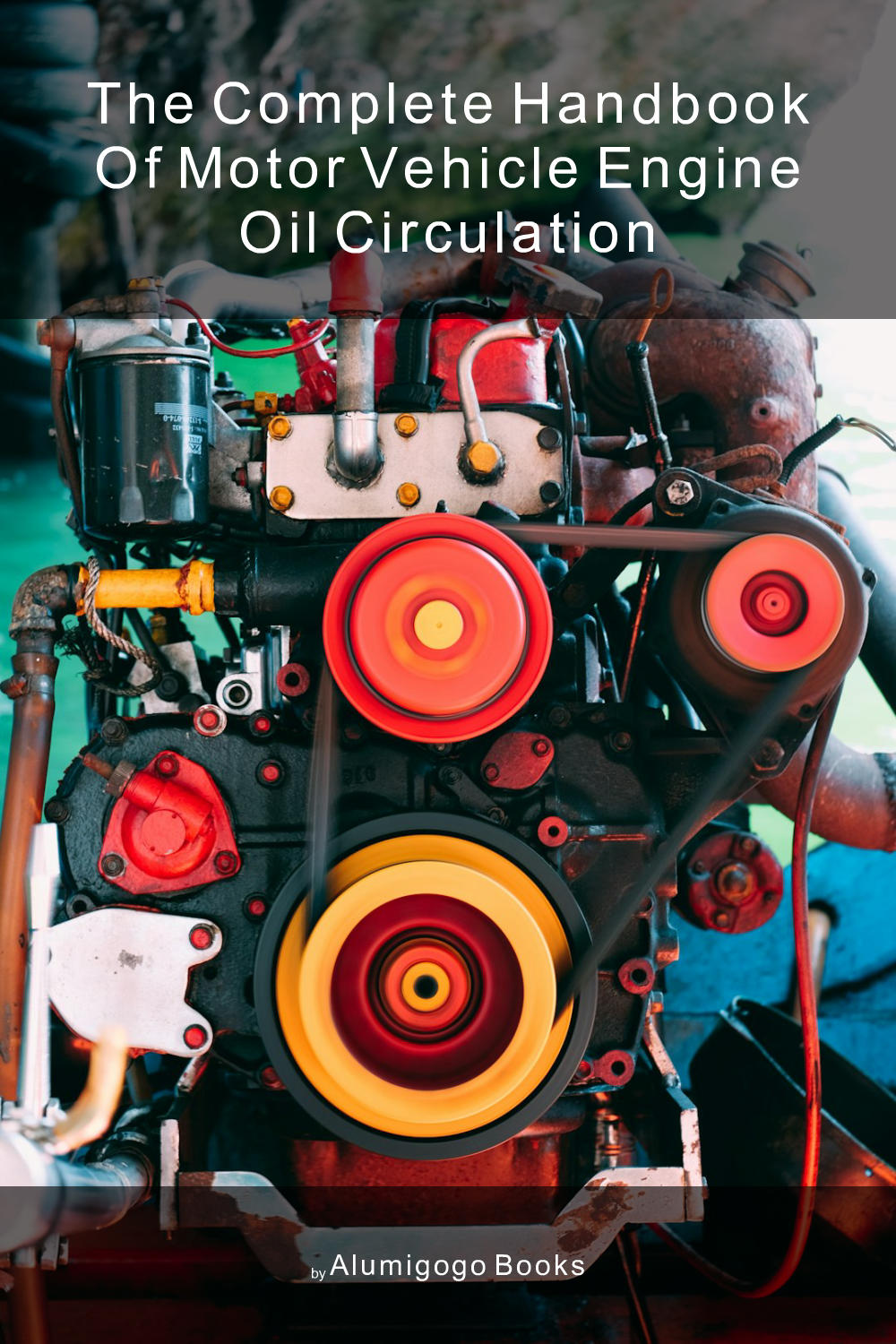
The Complete Handbook of Motor Vehicle Engine Oil Circulation
For technicians, fleet managers, enthusiasts, and engine builders who need to understand and maintain oil flow systems that keep engines alive
★★★★★3.0 · 3 reviewsby Alumigogo Books
non-fiction
The definitive reference for diagnosing, maintaining, and understanding engine oil circulation systems—no marketing, just the knowledge you need.
🔒Secure checkout via Stripe
Labor Day Sale
$9
About this book
Oil circulation is not glamorous, but it is fundamental. Every engine depends on a functioning circulation system to deliver clean oil at the correct pressure and temperature to every bearing, piston ring, and valve. When circulation fails—whether from a failed pump, clogged filter, cooler malfunction, or sludge buildup—engine damage follows quickly, often catastrophically.
This handbook is written for technicians, fleet managers, engine builders, and serious hobbyists who need to understand how oil circulation systems actually work, how to diagnose failures before they cause engine damage, and how to choose and maintain the right components for their application. You'll find no marketing language or generic theory—only concrete explanations of pump operation, filter selection, cooler sizing, pressure regulation, and the real-world failure modes that show up in service bays and on shop floors. Each chapter includes practical examples from common engine types so you can apply the knowledge immediately to your situation.
Whether you're troubleshooting a low-oil-pressure warning light, specifying a circulation system upgrade, or simply trying to understand why an engine failed prematurely, this reference provides the clarity and specificity you need to make informed decisions and avoid costly mistakes.
Reader Reviews
Nicholas King
★★★★★This book is thorough and genuinely useful for anyone working on engines—I especially appreciated the chapter on diagnosing circulation failures, with the concrete pressure readings and temperature values you can actually use in the field. My only real complaint is that some of the cooler sizing calculations in Chapter 3 felt dense and could have used more worked examples. Still, for a technician or builder who wants to move past guesswork, it's solid reference material.
Mark Martinez
★★★★★I've been managing a small fleet for eight years and this answered questions I've had for a long time about why some engines seem to run hotter than others and what I should actually be looking for in maintenance. The pump types chapter was especially practical. I wish there had been more on the business side—maybe more case studies on what a circulation upgrade actually costs versus what it saves—but the technical foundation is there and it's accurate.
Jeffrey Johnson
★★★★★As a hobbyist rebuilding my first engine, I found this invaluable because it explained why circulation matters and what each component actually does rather than just listing names. The troubleshooting chapter helped me catch a potential problem during assembly that I would have missed. Only downside is it's not a quick read—you really need to sit with the chapters on pump pressure and filter selection if you're new to this—but that's honest writing, not a weakness.