The Complete Handbook of Milling Machines
A professional's field guide to selecting, operating, and maintaining milling machines for real workshop outcomes
★★★★★3.8 · 8 reviewsby Alumigogo Books
non-fiction
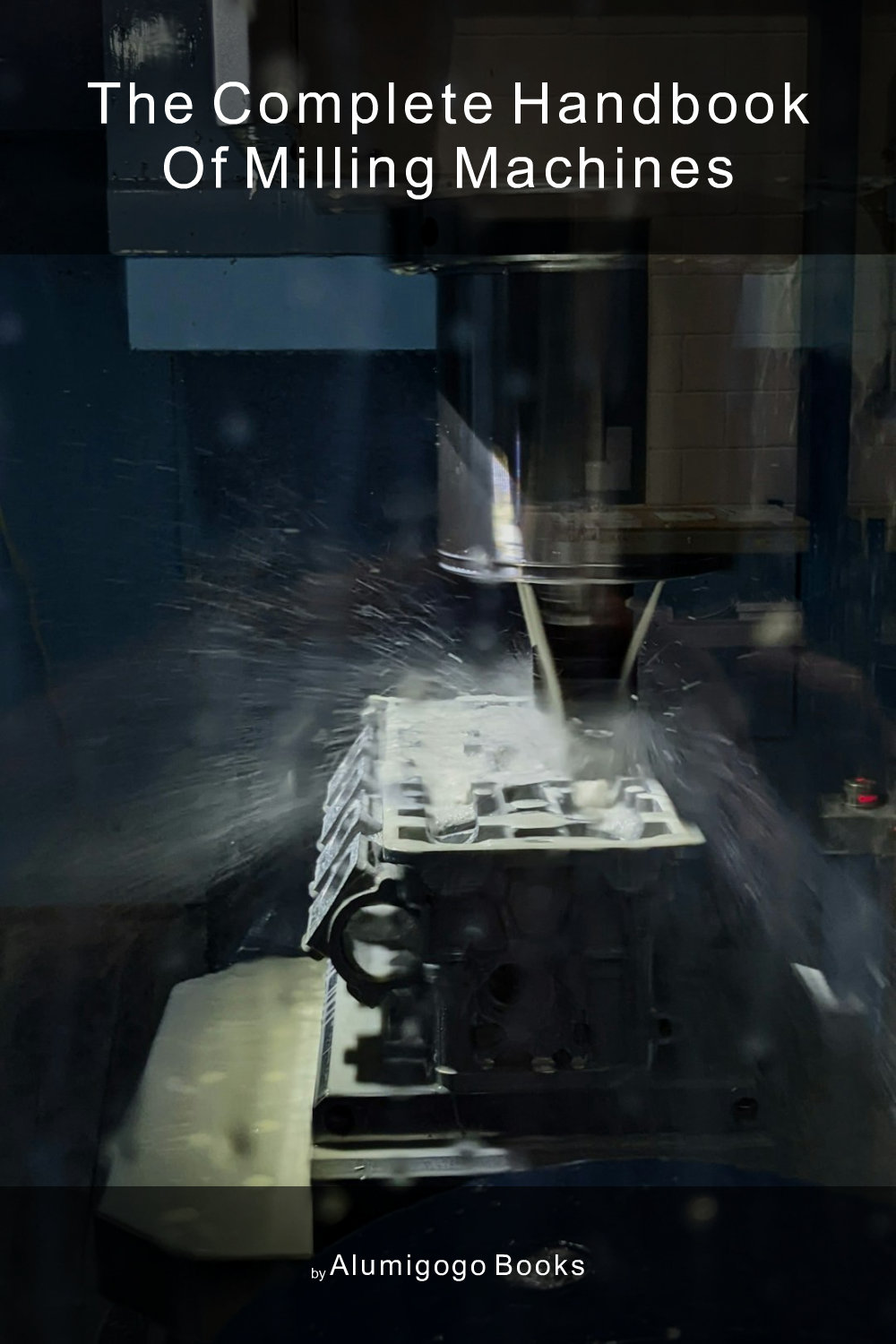
The Complete Handbook of Milling Machines
A professional's field guide to selecting, operating, and maintaining milling machines for real workshop outcomes
★★★★★3.8 · 8 reviewsby Alumigogo Books
non-fiction
From spindle taper to workholding and troubleshooting: the practical reference for anyone who uses, buys, or services milling machines.
🔒Secure checkout via Stripe
Labor Day Sale
$9
About this book
Milling machines are the backbone of custom manufacturing, but the gap between a machine's brochure specs and its daily behavior in a shop can be wide. This handbook closes that gap. It explains, without marketing gloss, how a milling machine works, what the numbers on a spec sheet actually mean, and how to choose a machine that matches the work you really do, not the work you imagine doing.
Chapters cover installation and alignment, tooling systems, workholding strategies, routine maintenance, and the most common failures and how to fix them. For those looking to profit, there is a practical analysis of reselling, servicing, renting, and consulting opportunities. The book also reviews the future of the technology: automation, spindle and control trends, and the standards bodies and resources that matter.
Written in plain, straightforward language, this is a reference book built for the shop floor, not the shelf. Whether you are evaluating a first benchtop machine or upgrading a five-axis vertical, you will find checklists, concrete examples, and honest answers to the questions that come up when the salesperson is no longer in the room.
Reader Reviews
Jonathan Campbell
★★★★★I run a small job shop and have bought two machines based on feel and a friendly salesperson. This book won't let you do that again. The chapter on specifications alone is worth the price, especially the breakdown on how axis travel maps to actual workpiece sizes. I do wish it had even more photos or diagrams, but the text makes up for it. My R8 versus CAT40 decision was much clearer after reading it.
Lisa Robinson
★★★★★Solid reference material, and I respect that it never tries to sell you anything. The maintenance chapter is the standout for me, particularly the troubleshooting table on chatter. That said, it read a bit dry in the opening chapters, and I felt the business opportunities chapter was thin on numbers. I would have liked example price ranges and profit margins, not just the general idea that reselling can be profitable. Still, a worthwhile addition to the shop library.
Lisa Adams
★★★★★For anyone moving from a manual mill to CNC, or from a garage operation to a real shop, this is the book I wish I had five years ago. The installation chapter alone covers the ground where most people ruin a machine, leveling, electrical supply, and spindle warm-up. It is straight to the point and genuinely practical. I pre-ordered it and have already used it to prepare for a used VMC purchase. Excellent, grounded work.
Mark Nelson
★★★★★I am an enthusiast who restores old manual mills as a hobby, and this book gave me structure for something I was doing purely by instinct. The section on the physical forces at play, and how they relate to machine rigidity and finish quality, finally made sense to me. The troubleshooting flow in Chapter 5 is printed out and hanging on my tool cab. If you want theory without fluff, this is better than a hundred YouTube videos.
Paul Wilson
★★★★★A solid overall reference. It covers the entire lifecycle, which is more than most textbooks do. The comparison of horizontal versus vertical configurations was clear, and the discussion of different spindle tapers helped me standardize my tooling. I gave it four stars because I found the future trends chapter a little speculative; the rest of the book is so concrete that the generalities stood out. But definitely recommended for anyone setting up a second machine or outfitting a training lab.
Melissa Hernandez
★★★★★The book is full of accurate information, but I felt it lacked the visual references that a serious beginner needs. Describing a drawbar or an R8 collet in text is fine if you already know what it looks like. If you don't, you will be flipping to Google. That aside, the chapter on choosing a machine, particularly the emphasis on available space and service access, saved me from buying a machine that would not have fit my garage. Good content, could be improved by illustration.
Lisa Flores
★★★★★It's a well-organized handbook, but I did not find much new material for the machine repair side of my business. The troubleshooting guide covers the basics well, and the discussion of backlash and ways wear is accurate. I think the intended audience would be a newer shop owner, not a seasoned tech like me. Still, it earns a place on my shelf as a reference to hand to customers who want to understand their own machines better.
Nicholas Rivera
★★★★★Clean, dry, practical. I appreciated that the author never once wrote 'unlock your potential' or something like that. The chapter on installation and commissioning is a gem, especially the warning about false economy when buying a machine that is too small for the expected growth. I also liked that the glossary in Chapter 9 actually explains terms like 'tramming' without patronizing you. My only real complaint: the book is dense, and I had to read some sections twice to fully understand them, not because of bad writing, but because the content is information-dense. That is a good problem to have.