The Complete Handbook of Microscopes
For Professionals, Businesses, and Serious Hobbyists Who Need to Buy, Use, Maintain, and Profit From Microscopy Equipment
★★★★★4.3 · 6 reviewsby Alumigogo Books
non-fiction
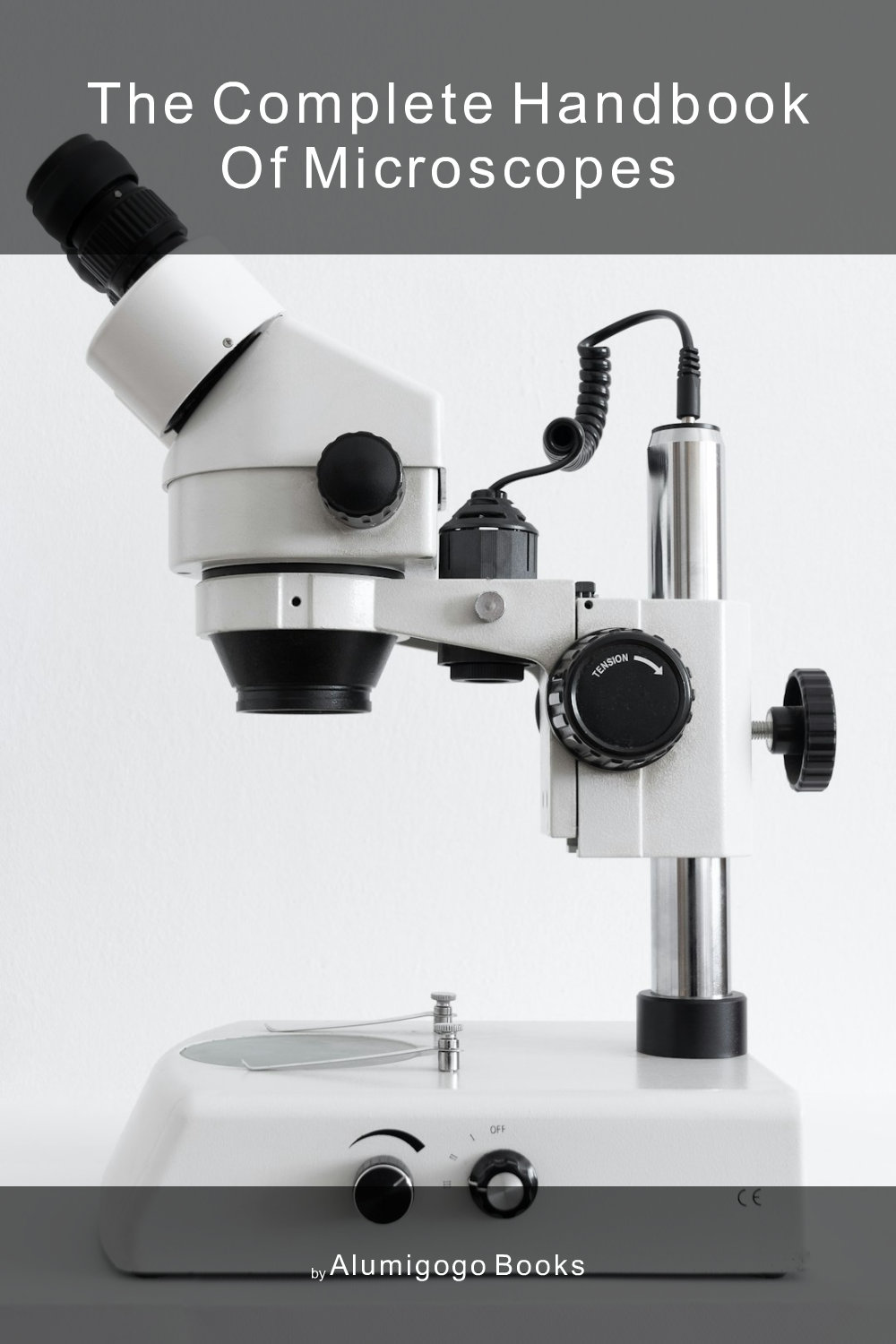
The Complete Handbook of Microscopes
For Professionals, Businesses, and Serious Hobbyists Who Need to Buy, Use, Maintain, and Profit From Microscopy Equipment
★★★★★4.3 · 6 reviewsby Alumigogo Books
non-fiction
The practical reference for buying, using, and maintaining microscopes—no vendor hype, concrete specifications and real-world troubleshooting for professionals and serious users.
🔒Secure checkout via Stripe
Labor Day Sale
$9
About this book
Microscopes are precision instruments, not commodity items. Whether you're a laboratory manager deciding between a brightfield scope and a phase-contrast model, a technician troubleshooting chromatic aberration, a hobbyist evaluating whether 1000x magnification will actually work for your application, or an entrepreneur exploring service or reselling opportunities, you need accurate, usable information—not marketing copy.
This handbook cuts through vendor specifications and generic advice to teach the real factors that determine microscope performance and suitability. You'll learn how optical paths actually affect image quality, which maintenance routines prevent costly downtime, how to diagnose and fix the most common problems, and what specifications genuinely matter for your specific work. The book also covers the business side: how major brands are positioned, realistic margins and opportunities in reselling or servicing equipment, and where microscopy technology is actually headed.
Written for professionals, businesses, and serious hobbyists who want practical knowledge they can use immediately—whether they're evaluating their first purchase, troubleshooting an existing instrument, or building a revenue stream around microscopy equipment.
Reader Reviews
Jeffrey Jackson
★★★★★This is useful reference material if you're deep into microscopy, but I found Chapter 1 a bit dense for someone like me who just needs to pick between two models for our lab. The optical path and illumination explanations are solid, but I wish there was a quick decision tree for beginners mixed in earlier. I'll keep it as a reference, but it assumes more baseline knowledge than some readers might have.
Amy Rodriguez
★★★★★Finally, a microscope book that treats me like a professional, not a marketing target. I appreciated the concrete discussion of why magnification specs alone don't tell you whether a scope will work, and the troubleshooting chapter saved me hundreds on a service call when I understood the alignment issue myself. Only minor complaint: I'd have liked more on digital camera integration options, since that's becoming essential for documentation in our field.
Kenneth Thompson
★★★★★Exactly what I needed. I run a quality control lab and have been burned by buying the wrong specs based on vendor recommendations. This handbook walks through the actual factors that matter—numerical aperture, working distance, stage stability—and explains them clearly without dumbing anything down. The business chapter was a revelation for understanding resale opportunities. Outstanding practical resource.
Michael Davis
★★★★★I'm a hobbyist entomologist who was frustrated by forum advice that contradicted itself constantly. This book gives me a clear framework for understanding why certain scopes work better for different specimens, what 'good' illumination actually means, and how to maintain equipment so it lasts. The glossary alone is worth the price for someone like me who didn't grow up with microscopy terminology. Highly recommended.
Linda Martin
★★★★★Ten years in microscopy service, and this book nails what actually matters in the field. The maintenance and troubleshooting chapters are exactly right—no fluff, just the problems I see daily and how to diagnose them. The business section on service margins and rental models gave me ideas for expanding our operation. This is the reference I'll give to new technicians instead of scattering them between three vendor manuals.
Amy Anderson
★★★★★Very thorough and practical—covers everything from optical theory to actual maintenance schedules in a way that doesn't feel overwhelming. My only wish is that there were more photographs or diagrams of common alignment problems and how to spot them, since some of that troubleshooting was hard to visualize from words alone. But the writing is clear and the technical depth is exactly what I needed as a lab manager.