The Complete Handbook of Microphones
The practical reference for professionals, businesses, and serious hobbyists who need to select, install, maintain, and troubleshoot microphones correctly.
★★★★★4.7 · 7 reviewsby Alumigogo Books
non-fiction
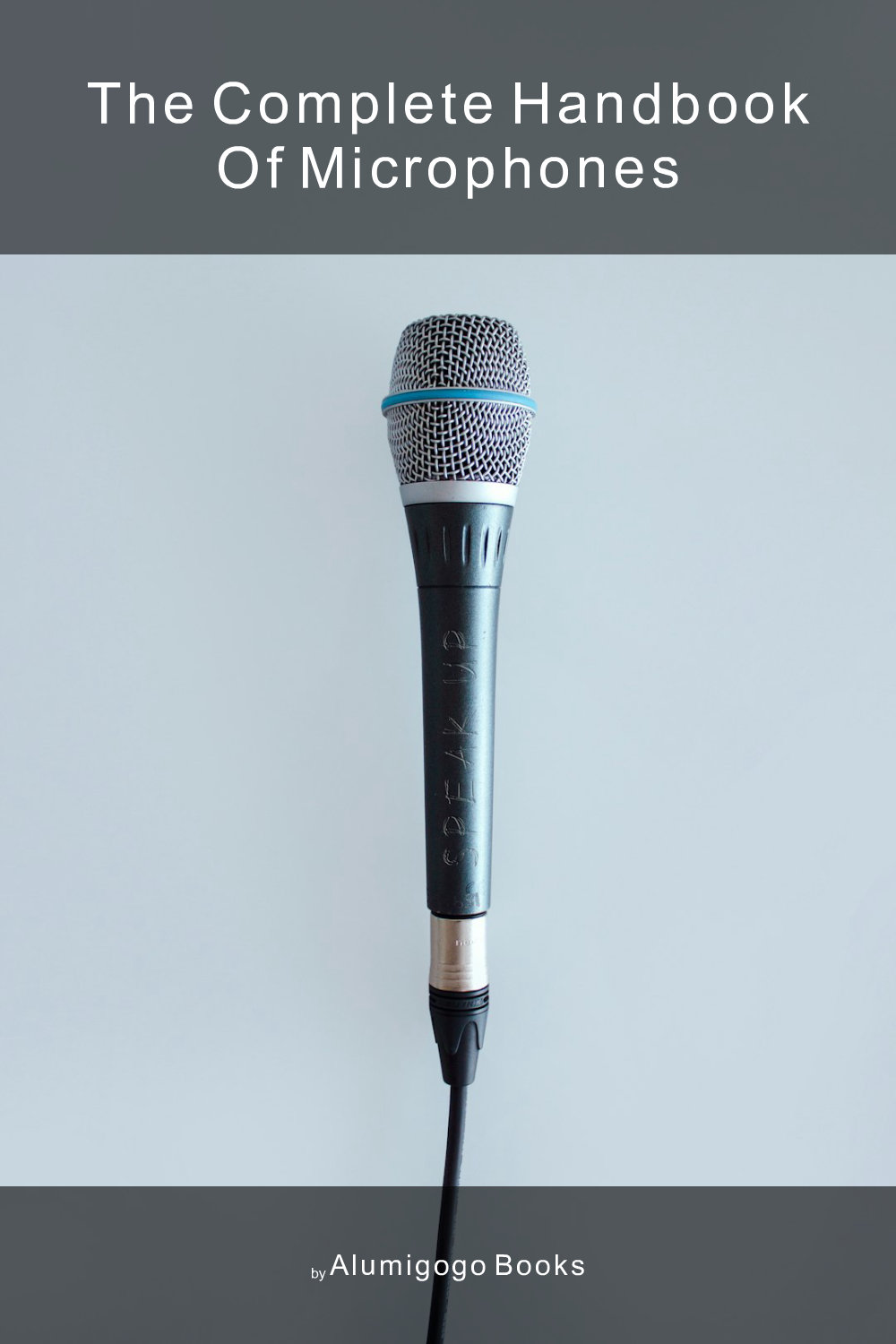
The Complete Handbook of Microphones
The practical reference for professionals, businesses, and serious hobbyists who need to select, install, maintain, and troubleshoot microphones correctly.
★★★★★4.7 · 7 reviewsby Alumigogo Books
non-fiction
The reference handbook for professionals and serious hobbyists who need practical knowledge about microphones: how they work, which one to buy, and how to fix them.
🔒Secure checkout via Stripe
Labor Day Sale
$9
About this book
Microphones are everywhere in professional and serious hobbyist audio work—in studios, live venues, broadcast facilities, and production rigs—yet many people who rely on them daily lack a clear, systematic understanding of how they actually work or how to choose the right one for a specific application.
This handbook fills that gap. Written for audio engineers, content creators, live sound professionals, studio owners, and equipment specialists, it covers what microphones actually are and why they matter, how different types and configurations affect your results, how to select the right microphone for your situation, how to install and use them correctly, how to maintain them and diagnose common problems, and where the market and technology are heading.
Unlike manufacturer marketing materials, generic online guides, or scattered forum advice, this reference grounds every topic in concrete examples and real-world context. You'll learn which specifications matter and which don't, how to interpret a spec sheet, what to expect from different price points and brands, and how to troubleshoot the problems you'll actually encounter. Whether you're building a studio, managing live sound, renting equipment, or consulting for others, this is the reference you'll return to.
Reader Reviews
Sharon Rodriguez
★★★★★I've been doing live sound for fifteen years and I thought I knew microphones, but this handbook filled in gaps I didn't know I had. The explanation of how different diaphragm sizes affect proximity effect in Chapter 1 suddenly made sense of problems I've been troubleshooting incorrectly for years. The chapter on choosing the right mic for different applications saved me from buying the wrong condenser for an outdoor event last month. Clear, practical, and written for people who actually use this stuff.
Sandra Jackson
★★★★★Finally, a reference that doesn't assume I'm either a physicist or a complete beginner. I'm a podcast producer and small-studio owner, and this book helped me understand why my current setup works and what I'd actually gain from upgrading. The troubleshooting chapter is worth the price alone—I diagnosed and fixed a phantom power issue in ten minutes using the diagnostic flowchart. Highly recommend for anyone running their own audio setup.
Eric Moore
★★★★★Exactly what I needed. I run an equipment rental company and we've been burned by recommending mics that weren't right for the job. This handbook is now part of our onboarding for new staff and we reference it constantly. The chapters on brands and business opportunities are smart—they acknowledge that this isn't just about picking the 'best' mic, it's about what makes sense for your market and margin. Practical and honest.
George Ramirez
★★★★★As someone newer to audio engineering, I was drowning in conflicting YouTube advice and marketing copy. This book cuts through all of it. Chapter 1 alone—just the basics of how a microphone actually works—changed how I listen to problems in my recordings. The specification chapter makes sense of datasheets I was staring at confused. Not dumbed down, but genuinely accessible. This is the book I wish I'd had when I started.
Emily Young
★★★★★I'm a broadcast engineer and I need references I can trust. The technical depth here is solid without being academic, and every claim is grounded in real applications. The maintenance and troubleshooting chapter reflects actual problems we encounter in the field—not hypothetical scenarios. The future trends section is also valuable for planning equipment budgets. This belongs in every professional audio library.
Ronald Lewis
★★★★★Very good overall, though I wanted more on wireless mic systems and frequency coordination—that section feels a bit thin compared to the rest of the book. The wired mic content is comprehensive and genuinely useful, but wireless is increasingly where the problems are, especially in live events and broadcast. That said, what's here is accurate and the troubleshooting method applies to wireless too. Solid reference despite that gap.
Susan Brown
★★★★★I recommend this to every student in my recording classes now. The writing is clear, the examples are real, and the book doesn't waste time with marketing fluff. Chapter 1 gives students a mental model they can actually build on, and the FAQ section answers the exact questions they ask me in office hours. The glossary is also genuinely useful—not just definitions but context for why these terms matter.