The Complete Handbook of Medical & Emergency Response Training Mannequins
A practical reference for buyers, owners, and technicians selecting, using, and maintaining training mannequins for emergency care education.
★★★★★4.5 · 2 reviewsby Alumigogo Books
non-fiction
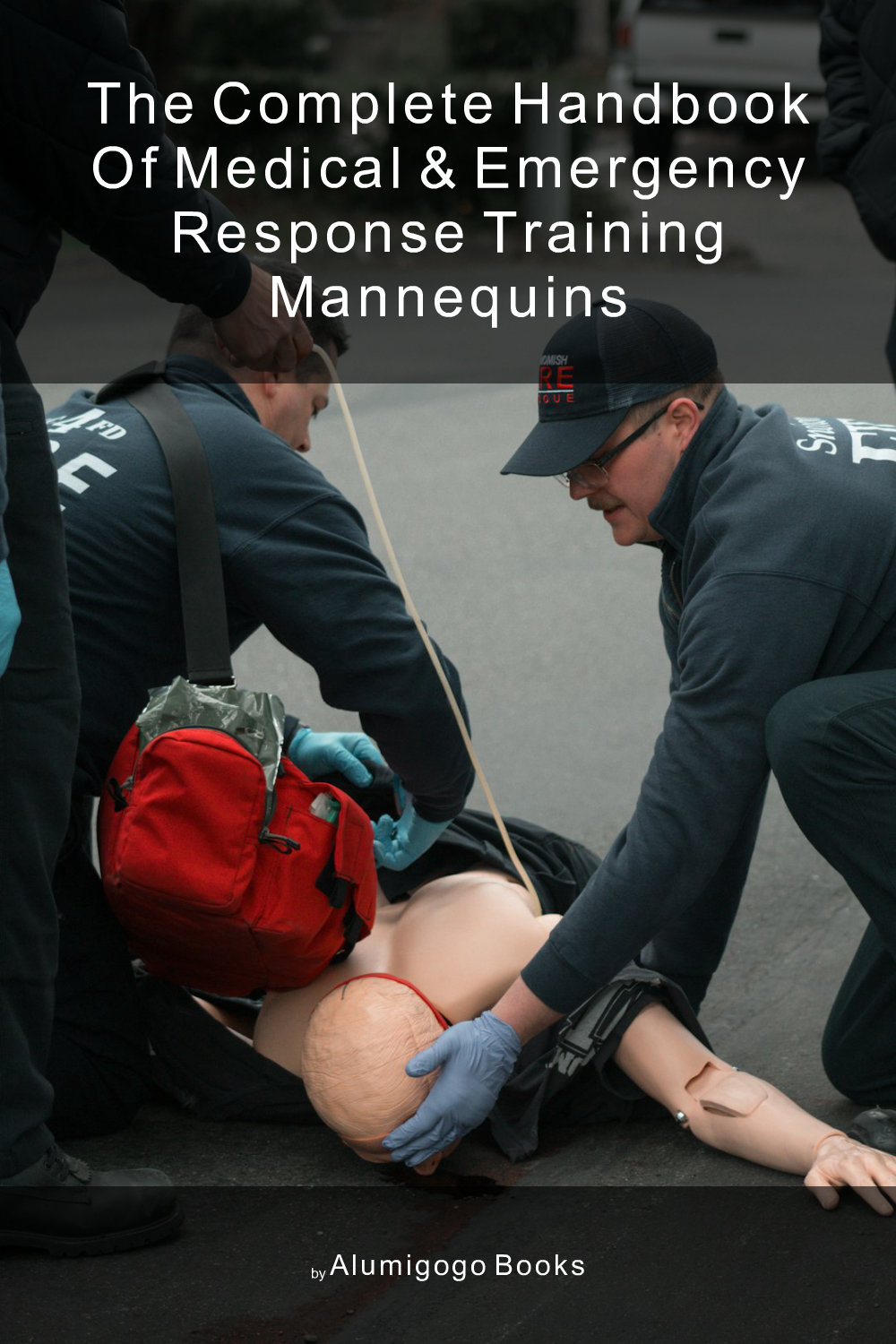
The Complete Handbook of Medical & Emergency Response Training Mannequins
A practical reference for buyers, owners, and technicians selecting, using, and maintaining training mannequins for emergency care education.
★★★★★4.5 · 2 reviewsby Alumigogo Books
non-fiction
Select, operate, and maintain the right training mannequin with confidence. A practical reference for simulation labs, EMS academies, and independent instructors.
🔒Secure checkout via Stripe
Labor Day Sale
$9
About this book
From a simple CPR torso to a full-body, computer-driven patient simulator, the mannequin is the core tool for emergency response education. But these devices range from a few hundred to over a hundred thousand dollars, and the differences in capability, durability, and operating cost are not always obvious from the spec sheet. This book provides a manufacturer-agnostic framework for evaluating what you actually need, based on the skills you must teach, the number of learners you must cycle through, and the staff you have to maintain the equipment.
Inside, you will learn how to define a functional specification before you talk to a sales representative, what to look for in skin and airway materials, and how to build a simple daily inspection checklist that prevents a mannequin from failing during a high-stakes certification class. The book also covers the installation and storage requirements for different types of mannequins, a step-by-step guide to troubleshooting common failures like leaky lungs or stiff joints, and a realistic look at the business of buying and reselling mannequins. It closes with a look at emerging technology, such as sensor-integrated feedback and virtual/augmented reality hybrids, and a glossary of terms so you can cut through the jargon.
This is a reference to be used, not read once and shelved. It is written for the program director who needs to justify a budget request, the EMS captain who is tired of fixing equipment with duct tape, and the independent instructor who wants to offer better training without a full-time biomedical engineering staff.
Reader Reviews
Laura Anderson
★★★★★Good, solid reference. I'm a training coordinator for a rural EMS service, and the mantra about writing a functional spec before calling a vendor has already saved me from buying a mannequin we couldn't service locally. The troubleshooting chapter on leaky airways is spot on. My only gripe is that the book is clearly written for a broader audience, so some sections on high-fidelity simulators feel a bit shallow for our paid staff. For the price, it's a useful manual to have on the shelf, but I expected a slightly deeper dive into the advanced units.
Laura Clark
★★★★★I run a small AHA training site on my own, and this book is the manual I wish came with my first mannequin. The chapter on understanding exactly what you are buying, not what the salesperson says you're buying, is worth the price alone. I appreciated the section on daily inspection protocols, which I now print and tape to the storage cabinet. It also gave me the confidence to do basic maintenance on the airway myself and save a service call fee. This is my new recommendation for anyone starting a skills lab.