The Complete Handbook of Mamey
A practical field reference for growers, importers, wholesalers, and serious consumers of the mamey sapote
★★★★★3.8 · 8 reviewsby Alumigogo Books
non-fiction
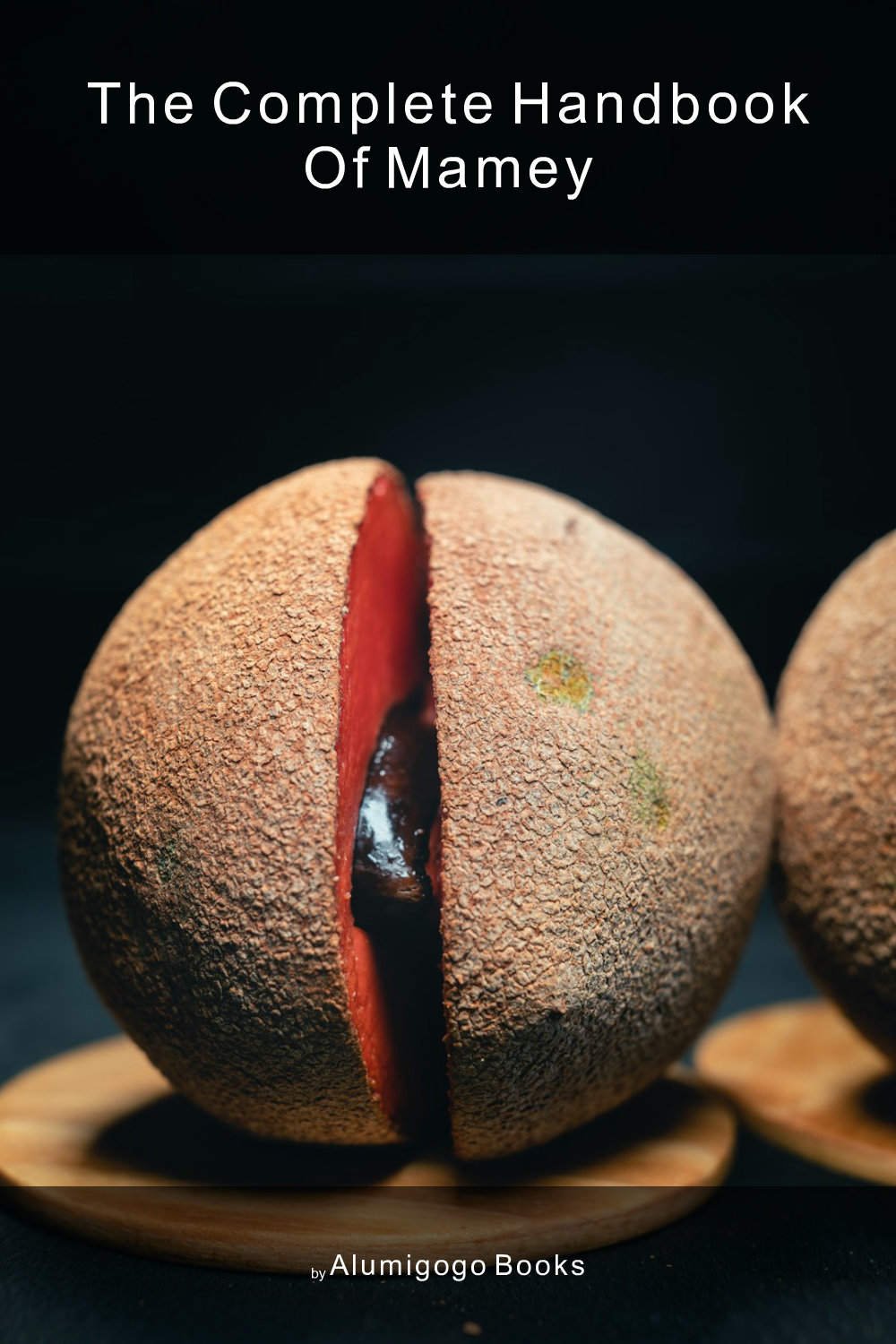
The Complete Handbook of Mamey
A practical field reference for growers, importers, wholesalers, and serious consumers of the mamey sapote
★★★★★3.8 · 8 reviewsby Alumigogo Books
non-fiction
The definitive practical reference for mamey sapote: how to judge it, handle it, and move it to market without losing your shirt.
🔒Secure checkout via Stripe
Labor Day Sale
$9
About this book
There is no substitute for opening a fruit and looking at the flesh, but before you get to that point, there are a hundred decisions to make. Is the fruit mature enough to cut? Will it ripen cleanly in two days or four? Is that brown speckling in the flesh a defect that matters, or just a cosmetic issue? Should the stem be attached or trimmed flush? This handbook provides the documentary framework for those decisions, backed by the physiology of a fruit that neither clings to the tree ready-to-eat nor ripens gracefully if picked too early.
The book is structured to follow the logic of the commercial chain. It begins by defining what the fruit actually is, including the critical distinction between horticultural maturity and commercial ripeness, a distinction that drives all subsequent handling. It then moves through a taxonomy of varieties and external grade standards, offering concrete methods for assessing maturity without cutting the fruit. The middle chapters cover decision-making for buyers and growers, followed by a detailed breakdown of ripening protocols, storage conditions, and the common failure points that lead to waste.
The final sections are geared toward a business reader: an analysis of the supplier and buyer landscape, a forecast of market trends in a post-harvest world increasingly focused on shelf-life extension, and a glossary of the industry's terminology. This is not a coffee-table book about exotic fruits; it is a manual for professionals who deal in them.
Reader Reviews
Melissa Robinson
★★★★★This is exactly the book I've been looking for since I started importing tropical fruit four years ago. The chapter on maturity vs. ripeness alone is worth the price - I've sent the relevant pages to my warehouse manager and two of our buyers. It's technical but readable, and it cuts through the folklore that floats around in our industry. I gave my old stock a higher spec after reading this and our shrink went down.
Jennifer Garcia
★★★★★I run a specialty market and mamey has always been a headache fruit for us because it arrives either rock hard or already past it. This handbook finally explains why that happens and what to do about it. The sections on ripening protocol and troubleshooting specific defects like that internal browning are fantastic. It doesn't read like a blog; it reads like a manual someone actually wrote for us.
Amanda Gonzalez
★★★★★It's thorough, I'll give it that. The author clearly knows the science, and I appreciate the concrete numbers on temperature and humidity. But as a grower, I found the buying-side perspective was a bit dominant in the first few chapters. I was hoping for more on orchard-level maturity sampling and less on how an importer should negotiate. It felt a little like the book was written primarily for the wholesale set, not for us who grow the fruit. Still, the practical parts on post-harvest handling were useful.
Jessica Perez
★★★★★Solid reference material, but I wish it had pictures. I'm a kitchen director for a restaurant group trying to work with more tropical fruit, and the descriptions of the flesh defects in troubleshooting are clear, but a photo would have been definitive. The flavor profile section in Chapter 1 was helpful for our sourcing discussions. I'll keep it on my shelf, but I plan to cross-reference it with visual guides online for the specifics.
Ronald Jackson
★★★★★As a commercial wholesaler, I keep this book in the office now. The chapters on specs and how to actually judge a box without cutting into every fruit are straight to the point. I like how it doesn't waste time on the cultural history of the fruit or recipes - it just tells you what you need to do so your shipment doesn't turn to mush. The forecast on post-harvest tech was a good reality check, too.
Timothy Campbell
★★★★★I bought this to get more serious about my handful of mamey trees and it did not disappoint. I've always just picked by feel and color, which is fine, but now I understand the actual physiological processes. The troubleshooting chapter helped me figure out why I was getting so much anthracnose on stored fruit. It's a bit dense in the middle sections about wholesale specs, but I skimmed those and found the rest very applicable.
Carol Rodriguez
★★★★★There's a lot of good information here, and I'd recommend it to other chefs who want to handle mamey properly. My only gripe is the lack of practical numbers for ripeness testing - it mentions using a penetrometer to measure flesh firmness, which is great, but it doesn't give a target pound-force reading for the ideal eating stage. It says 'soft to the touch.' That is the kind of anecdotal advice this book is otherwise trying to get away from.
John Johnson
★★★★★The business opportunity chapters were what I found most engaging, so maybe I'm not the target reader. The explanation of the supply chain and why fruit from different regions has different price points was very informative. The first few chapters are a heavy read if you're not a botanist, but if you can get through it, you understand the product on a much deeper level. It feels like a university text on the subject, which is fine by me.