The Complete Handbook of Makeup Removers
A professional's field guide to selecting, using, and maintaining makeup removers for salons, studios, film sets, and serious personal care.
★★★★★3.7 · 7 reviewsby Alumigogo Books
non-fiction
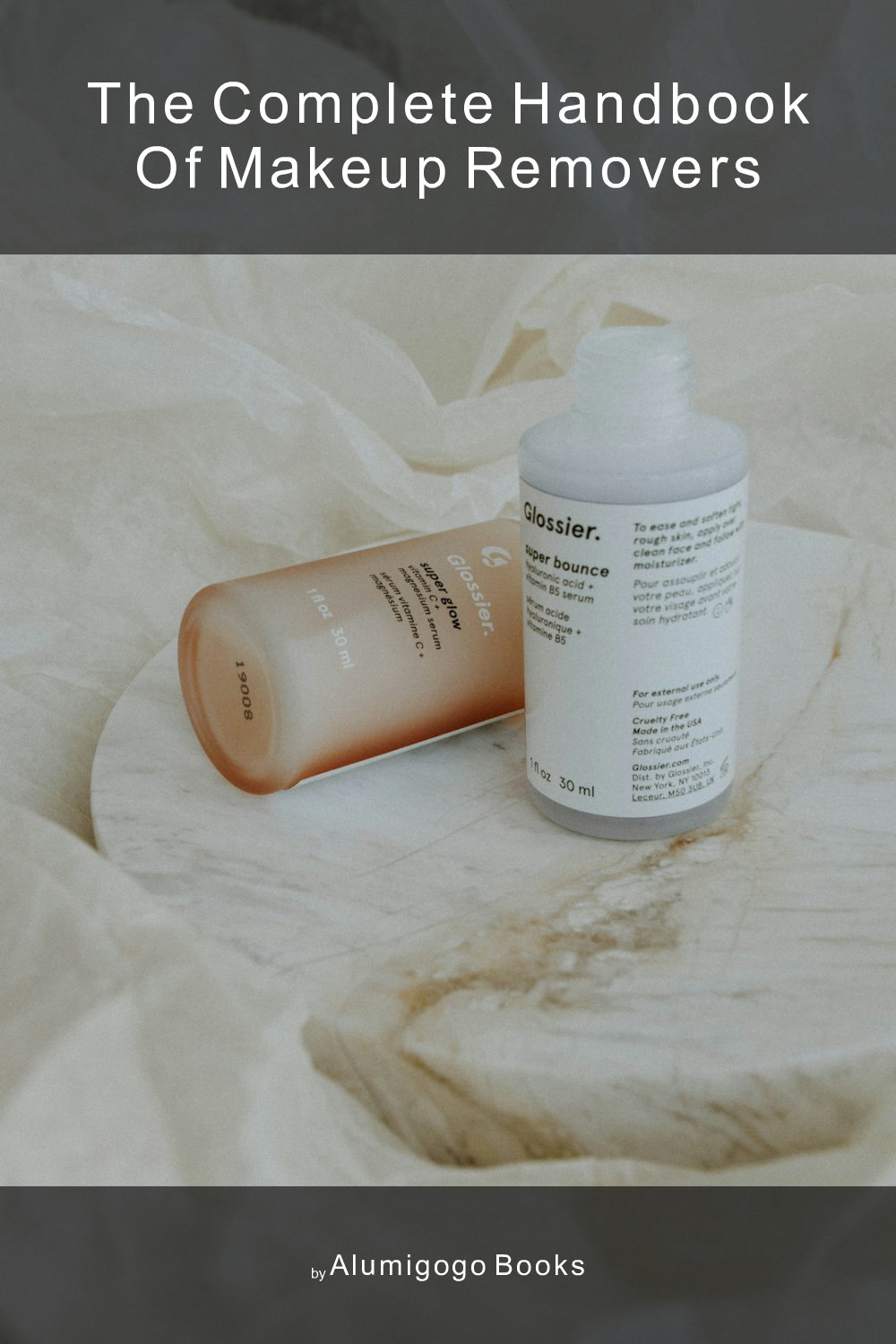
The Complete Handbook of Makeup Removers
A professional's field guide to selecting, using, and maintaining makeup removers for salons, studios, film sets, and serious personal care.
★★★★★3.7 · 7 reviewsby Alumigogo Books
non-fiction
The neutral, practical reference for choosing, using, and maintaining makeup removers — for professionals who need results, not hype.
🔒Secure checkout via Stripe
Labor Day Sale
$9
About this book
Whether you are a working makeup artist cleaning brushes and client skin between bookings, a salon owner stocking the back bar, or a serious hobbyist who wants to understand what is actually in the bottle, this handbook gives you the working knowledge to make better decisions. It avoids the marketing language of 'gentle' and 'effective' and instead explains what those claims mean in practice: what surfactants do, why oil-based removers work on waterproof formulas, what pH and preservative systems matter, and how to calculate true cost per use.
Structured as a reference, the book moves from fundamentals to application. You will learn how to evaluate different formats — wipes, micellar waters, balms, oils, creams, and two-phase removers — against real criteria like residue, eye safety, and compatibility with skin types and procedures. It includes practical installation and usage protocols for professional settings, a troubleshooting chapter that addresses clogged pumps, separated emulsions, and dermatitis complaints, and a commercial chapter covering private labeling, wholesale supply, and rental opportunities for film and theater.
The final sections look forward: biodegradable formulations, waterless products, regulatory shifts in the EU and US, and where to find standards bodies and certification programs. The glossary and FAQ are written for quick reference during a busy workday. This is not an endorsement of any brand or ingredient — it is a tool for independent judgment.
Reader Reviews
Patricia Lee
★★★★★Finally, a reference that treats makeup remover as a technical product rather than a beauty accessory. I own a studio and have been buying remover in bulk for years based on brand reps and word of mouth. This book gave me a real framework for comparing cost per use and understanding what ingredients actually matter. The troubleshooting chapter alone saved me from throwing out a batch of balm that had separated — I fixed it instead. It is dense and not flashy, which is exactly what I wanted.
Ashley Clark
★★★★★Really well organized and genuinely useful. I am a freelance MUA, and the sections on usage protocols and how to layer removers with other skincare steps improved my client consultations. The cost-per-use tables in chapter two helped me switch my kit products and save money without sacrificing performance. I dropped one star because I wish it had more specific comparisons of individual brands — I know that ages fast, but it would have been a helpful starting point.
Margaret Perez
★★★★★Solid book, but I am not sure it is a complete handbook. The information is accurate and well researched, but it reads more like a technical manual than something I can quickly flip through during a shoot. Chapter one is a slog of chemistry terms; it could have been half as long. Chapter three on choosing products was the most useful for me. If you are already experienced, you might find parts of it review-heavy. For a newcomer, it is probably a five-star resource.
Shirley Rivera
★★★★★I am a licensed esthetician and I have recommended this to two of my colleagues already. The chapter on maintenance and troubleshooting is worth the price by itself — I had no idea why my micellar water was leaving a film, and the explanation about surfactant concentration and rinsing habits made it click. I also appreciated the honest look at business opportunities; the private-label section is grounded in real numbers and logistics, not fantasy. The writing is dry, but that is what I want in a reference.
Michael Brown
★★★★★Bought this to help me stock the studio where I work as a manager. It is practical, neutral, and actually uses data instead of adjectives. The breakdown of wipes versus micellar water versus balm was very helpful for showing my team why we needed more than one option depending on the service. Minor gripe: the formatting is plain, almost textbook-like, and the cover design is not going to win awards. But I did not buy it for the cover.
Sandra Rodriguez
★★★★★It is a decent reference, but I found some of the advice overly cautious. The chapter on preservation and safety spends a lot of time on worst-case scenarios that are not realistic for most users. I also think the brand positioning chapter is too generic — it names categories but dodges saying anything mildly specific about who does what well. The FAQs are genuinely good, though, and I do reference the glossary when reading ingredient lists. A solid three stars for a working professional who is already in the business.
Richard Young
★★★★★Rented this from the library before deciding to buy it. Chapter one is textbook material; I appreciate the depth on emulsifiers and solubility, but it took me two sittings to get through it. Chapter four on usage is where it became practical for me — the step-by-step on two-phase removers and lens wearer safety was something I had not seen elsewhere. I wish the maintenance chapter had photos or diagrams, but the text is clear. Good resource, not a pleasure read.