The Complete Handbook of Loungewear
A practical field reference for professionals, retailers, and enthusiasts on the selection, use, care, and commerce of loungewear
★★★★★4.0 · 1 reviewby Alumigogo Books
non-fiction
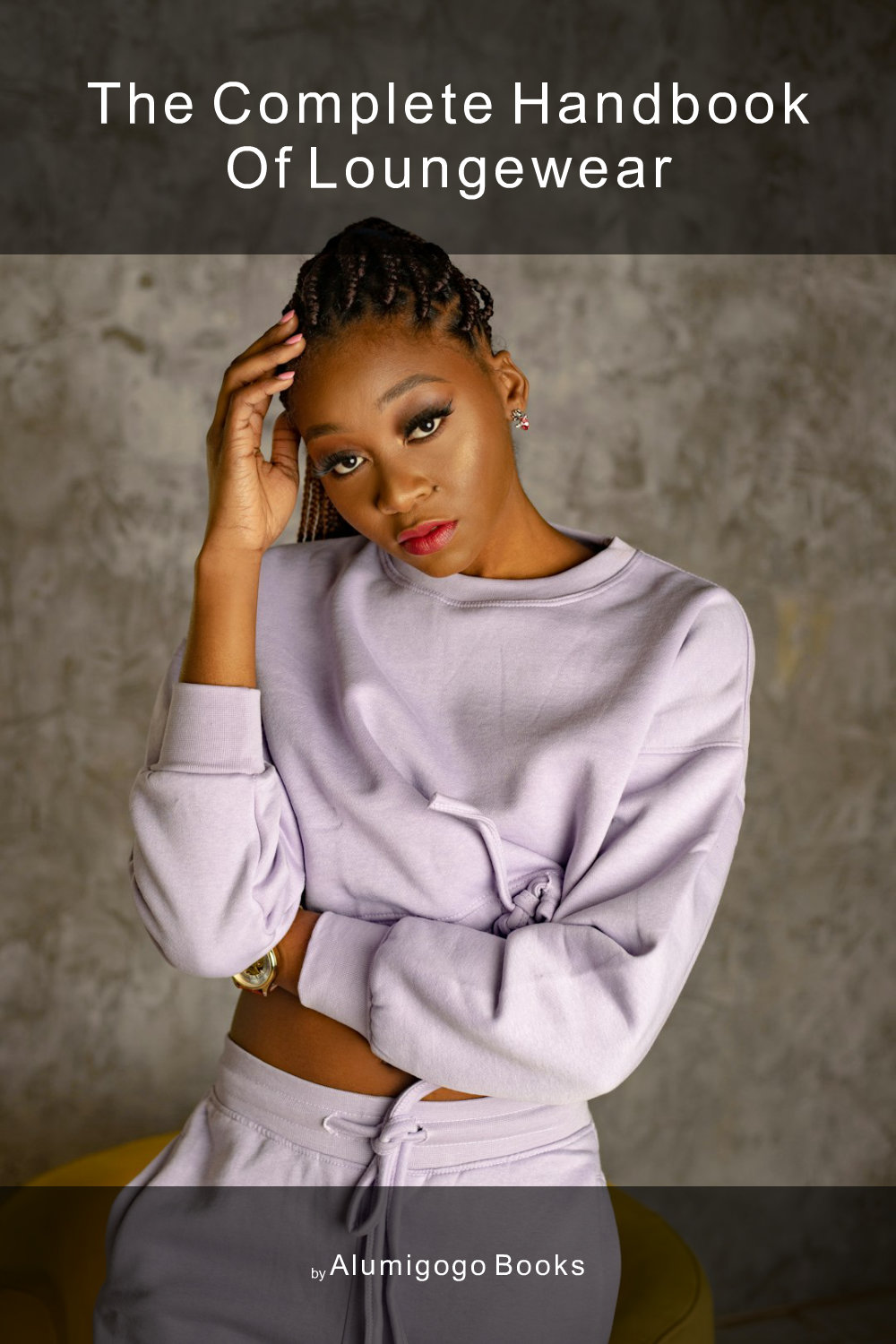
The Complete Handbook of Loungewear
A practical field reference for professionals, retailers, and enthusiasts on the selection, use, care, and commerce of loungewear
★★★★★4.0 · 1 reviewby Alumigogo Books
non-fiction
From fiber to retail to care label: the complete, unbiased reference on loungewear for professionals who need facts, not fluff.
🔒Secure checkout via Stripe
Labor Day Sale
$9
About this book
Loungewear is a multi-billion dollar category that spans hospital patient gowns, athleisure-adjacent jogger sets, luxury cashmere robes, and the unisex sweatpants sold by the pallet to promotional product distributors. Despite its ubiquity, most information on the category is either high-fashion editorial, or fragmentary manufacturer datasheets. This handbook treats loungewear with the rigor of a technical reference.
Inside, you will find a taxonomy of the main garment types and their intended use-cases, the measurable specifications that matter for durability and thermal comfort (GSM, yarn twist, knit structure, chlorine retention), and straightforward guidance for choosing garments for hotels, retail shelves, or your own wardrobe. Long-term care is covered in depth: the chemistry of fabric softeners, the physics of pilling, and how to fix a shrunken cotton garment or a broken drawstring.
For the commercial reader, chapters on the supply chain, brand positioning, and private-label manufacturing outline how existing businesses make money in this space and where the gaps are. The final sections detail emerging technologies such as bio-based fibers, phase-change materials, and modular garments, along with the standards bodies and certification schemes to watch.
Reader Reviews
Melissa Gonzalez
★★★★★I bought this for the maintenance chapter alone, but the whole book is more useful than I expected. It doesn't tell you what's 'fashionable' - it tells you what GSM and fiber blend to look for if you want a hotel bathrobe to survive a hundred commercial washes. The chapter on troubleshooting is exactly what our facilities manager needed. My only gripe is the glossary feels a bit too short for a 'complete' handbook, and I'd have liked a few more photos of seam types. Still, it's earned a permanent spot on our office shelf.