The Complete Handbook of Lathes
The Practical Reference for Machinists, Fabricators, Businesses, and Serious Hobbyists
★★★★★3.6 · 8 reviewsby Alumigogo Books
non-fiction
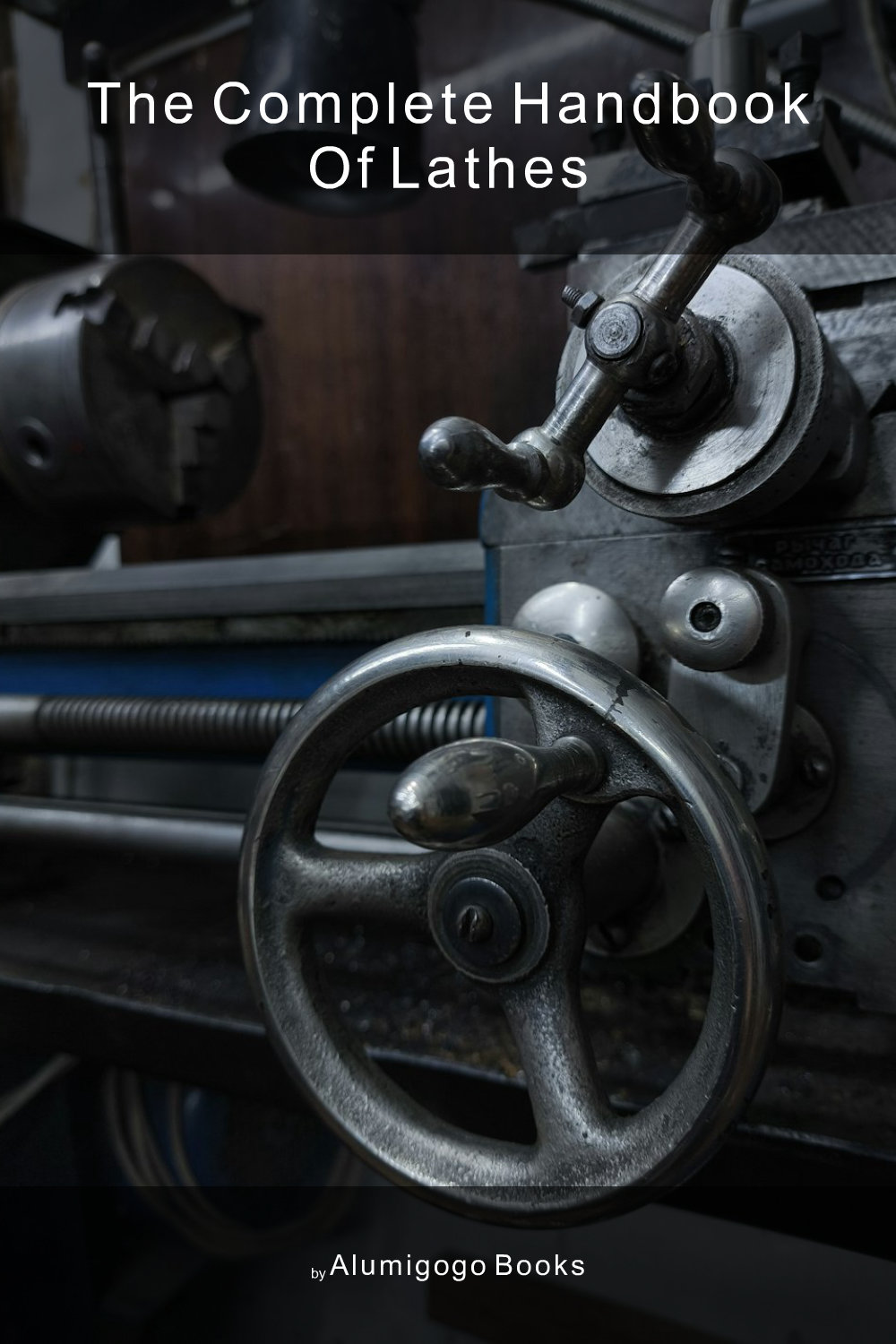
The Complete Handbook of Lathes
The Practical Reference for Machinists, Fabricators, Businesses, and Serious Hobbyists
★★★★★3.6 · 8 reviewsby Alumigogo Books
non-fiction
Practical, concrete reference for machinists, shops, and hobbyists. Covers fundamentals, selection, operation, maintenance, troubleshooting, and real business opportunities.
🔒Secure checkout via Stripe
Labor Day Sale
$9
About this book
A lathe is arguably the most versatile machine tool in existence—capable of turning, boring, threading, and producing parts that feed into manufacturing, repair, prototyping, and one-off custom work across industries. Yet buying, operating, maintaining, and scaling a lathe business involves real tradeoffs in cost, capability, accuracy, and footprint that most buyers navigate poorly.
This handbook cuts through marketing and provides the knowledge professionals actually need. You'll learn how spindle speed, chuck capacity, bed length, and machine rigidity directly affect the work you can produce—and why a $2,000 benchtop machine is fundamentally different from a $50,000 industrial CNC. You'll understand which specifications matter for your specific application, how to install equipment correctly, how to diagnose common failures before they cascade, and where real money exists in lathe-related services, reselling, and consulting.
Whether you're a machinist setting up your first shop, a business owner evaluating tooling investment, or an enthusiast serious enough to commit real resources, this book replaces scattered forum posts, outdated manuals, and sales pitches with verified, actionable information organized for reference and decision-making.
Reader Reviews
Brian Johnson
★★★★★Really well organized and concrete—the specs chapter helped me avoid a bad purchase and the maintenance section caught a bearing issue before it became expensive. Only minor gripe: Chapter 6 on business opportunities feels a bit lighter than the technical chapters, and I'd have appreciated more detail on the rental and retrofitting angle. Still, this is the reference I keep reaching for.
Ryan King
★★★★★Finally, a lathe book that doesn't assume you're either a complete beginner or a 40-year veteran. I'm six months into running a small job shop and this handbook answered specific questions I didn't even know how to ask—why my spindle wasn't holding concentricity, how to evaluate used machines, and what the actual business model looks like if I want to bring in contract work. Chapter 1 alone is worth it.
Sharon Williams
★★★★★Solid technical content, especially the mechanical explanations and troubleshooting. The chapter on choosing equipment is practical and doesn't oversell any particular category. That said, some sections assume more baseline knowledge than others, and I found myself jumping around to the glossary more often than I'd expected. Still useful for someone serious about this work.
Barbara King
★★★★★The fundamentals chapter is excellent—finally a clear explanation of why different lathe types exist and what the actual tradeoffs are. But I was hoping for more on the CNC transition and how software factors in. The book treats CNC a bit like a side note when I think most readers will be touching it eventually. Good reference, but incomplete on that front.
Carol Wilson
★★★★★Bought this for my team and it's become the resource we actually use instead of hunting through YouTube and old forum threads. The maintenance and diagnostic sections are gold—the runout explanation and the step-by-step for identifying thermal growth issues alone paid for the book. Very practical, very direct.
Brian King
★★★★★Good fundamentals and honest about the tradeoffs between equipment types. I appreciated the lack of marketing fluff. Would have liked more real-world examples of how different shops use different machines, and the business chapter felt more like an overview than actionable guidance. Useful, but doesn't go quite deep enough on the entrepreneurial angle.
Paul Thompson
★★★★★This is exactly what I needed when I was setting up my first shop. Chapter 1 cleared up a lot of confusion about spindle speed and rigidity, and the selection framework in Chapter 3 helped me avoid buying the wrong machine. The maintenance and troubleshooting sections are straightforward and detailed. Highly practical.
Stephanie Martinez
★★★★★Comprehensive and clearly written, but I felt like some of the technical sections were denser than necessary for someone starting out, while other parts seemed to assume I already knew the material. It's a solid reference once you have the basics, less ideal as an introduction. Still, the chapters on specifications and maintenance are valuable.