The Complete Handbook of Laboratory Equipment
A practical reference for selecting, using, and maintaining scientific instruments in professional, educational, and serious hobbyist settings
★★★★★4.4 · 5 reviewsby Alumigogo Books
non-fiction
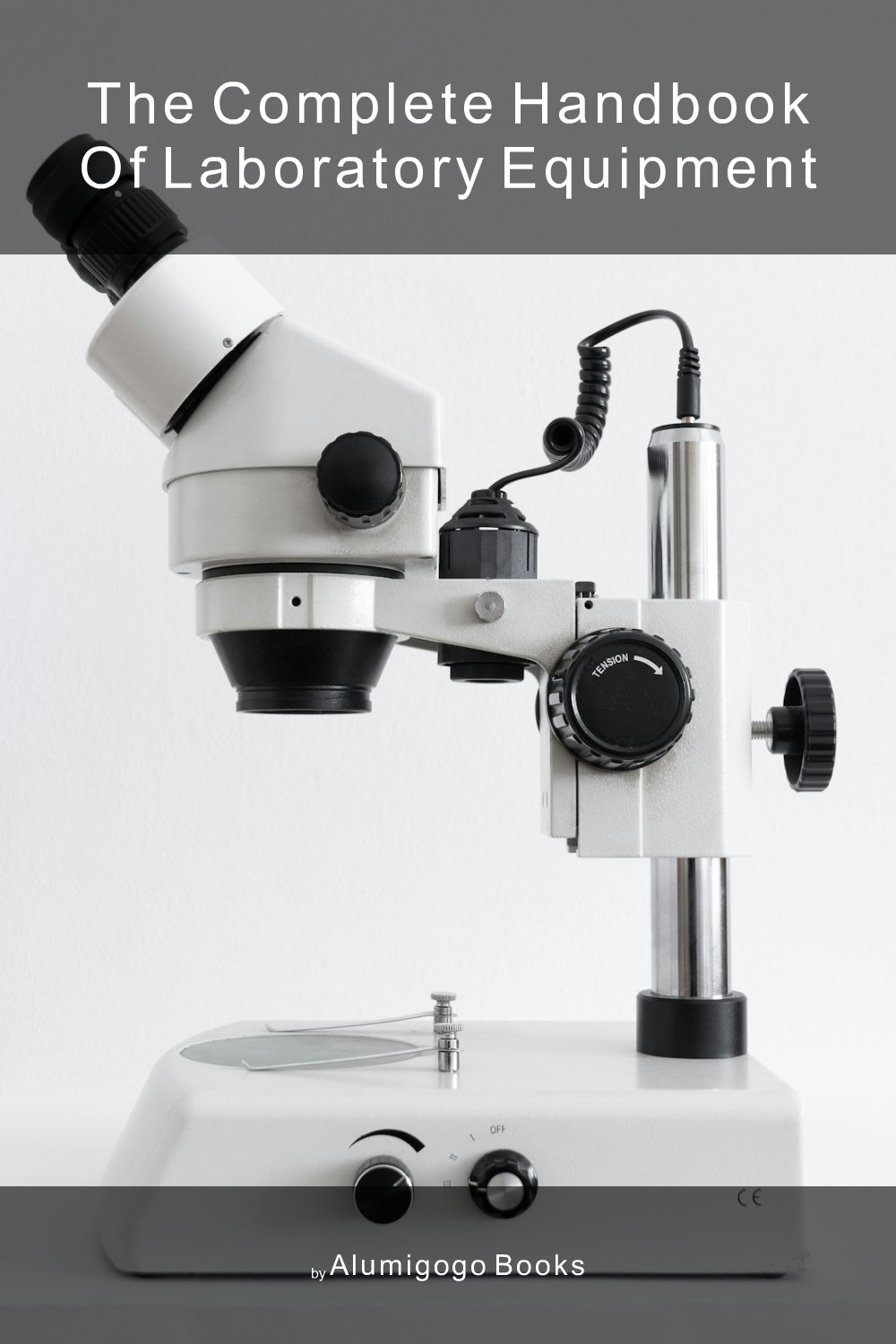
The Complete Handbook of Laboratory Equipment
A practical reference for selecting, using, and maintaining scientific instruments in professional, educational, and serious hobbyist settings
★★★★★4.4 · 5 reviewsby Alumigogo Books
non-fiction
From pipettes to autoclaves, learn how to choose, use, and maintain lab equipment. A practical owner's manual for professionals and serious hobbyists.
🔒Secure checkout via Stripe
Labor Day Sale
$9
About this book
From the glassware on a chemist's bench to the sophisticated optics inside a spectrophotometer, laboratory equipment is the toolbox of scientific discovery. But selecting the right tool for the job can be a minefield of acronyms, tolerances, and conflicting marketing claims. This handbook, written for professionals and serious hobbyists, cuts through the noise, offering a practical, neutral guide to the equipment that makes accurate experiments and reliable analyses possible.
This isn't a catalog or a list of hyped-up product features. Instead, it is a comprehensive manual structured around the practical life of equipment: understanding what a specific instrument is and how it works, evaluating the specifications that genuinely matter, and choosing the right grade for your budget and application. It then provides a detailed, step-by-step guide to installation, daily operation, and routine maintenance, along with a clear troubleshooting section for common failures like calibration drift, leaks, and electrical issues.
The book also opens a window into the broader industry, examining the positions of major brands and suppliers and outlining concrete business opportunities such as reselling, servicing, and renting. It concludes with an honest look at emerging trends—from smart sensors to materials improvements—and a curated guide to the standards bodies and publications that will keep your knowledge current. Whether you are equipping a professional lab, a university classroom, or a home workshop, this handbook is designed to help you spend less time worrying about your tools and more time getting accurate, reproducible results.
Reader Reviews
Timothy Scott
★★★★★I've been a lab manager for over a decade, and this is the book I wish I had when I started buying equipment. It's not fluffy at all; the first chapter alone gave me a better framework for explaining to my boss why we need a specific type of centrifuge rotor. The chapter on brands and business opportunities is something you never find in this kind of reference, and it's incredibly insightful. Highly recommended.
Linda Harris
★★★★★This is a solid, no-nonsense reference. I especially appreciated the practical tone of Chapter 1 and the breakdown of specifications later on. It's certainly comprehensive and well-written. My only minor gripe is that some of the examples in the installation chapter felt a bit geared towards large, professional labs, but I was still able to apply the general principles to my smaller home setup without much trouble. A very useful resource overall.
Ronald Garcia
★★★★★I'm a serious hobbyist, and I found this book mostly very helpful. The chapter on understanding lab equipment clearly explained concepts like accuracy versus precision, which are often sold confusingly. However, there were a few too many sections about parts and procedures that only matter if you're running a certified testing lab or a clinical facility. I skipped those bits, but for the major purchase I had in mind, the chapters on choosing and specs gave me the confidence to pick a great pH meter. Worth it for that alone.
Brenda Hill
★★★★★I bought this for our QC lab, and it has already paid for itself. The chapter on installation and maintenance is worth the price alone; we followed the advice on setting up our new balance, and it's been performing better than the last one that was placed by the window. The field guide to common error messages and causes of drift was also spot-on and saved us a service call. This is a thorough, practical manual that I keep on my shelf next to the SOPs.
Carol Taylor
★★★★★Finally, a book on lab equipment that isn't a catalog or a bunch of jargon from manufacturers. I'm an entrepreneur looking to get into the used equipment market, and the chapters covering brands, suppliers, and business opportunities were gold. The book explains the lifecycle and common problems that affect resale value, which is exactly the kind of insight I needed to avoid a mistake on my first deal. And for whatever equipment I buy next, the maintenance section looks like a lifesaver.