The Complete Handbook of Juicer Accessories
A practical reference for professionals, businesses, and serious enthusiasts on selecting, using, and maintaining juicer accessories
★★★★★3.9 · 8 reviewsby Alumigogo Books
non-fiction
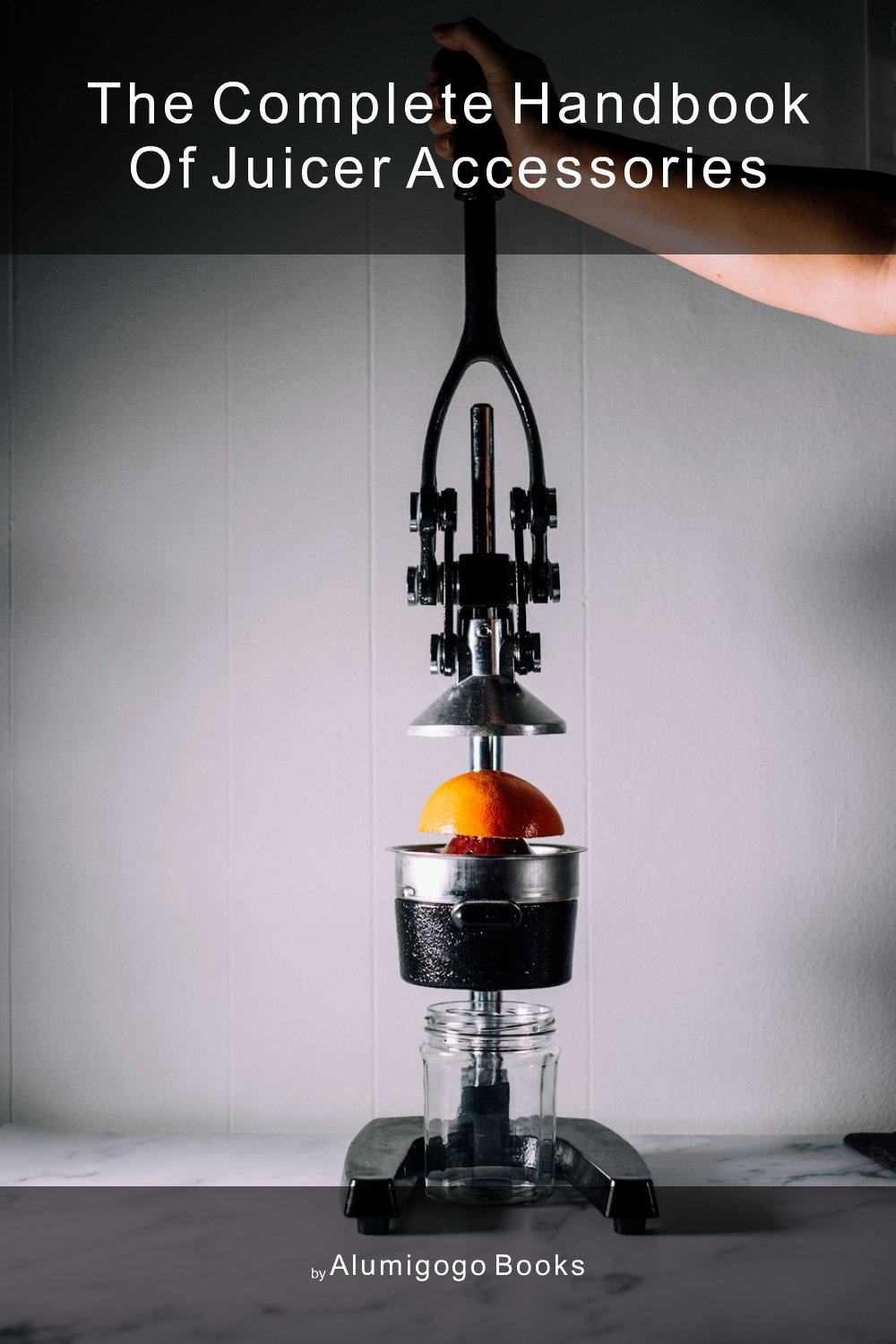
The Complete Handbook of Juicer Accessories
A practical reference for professionals, businesses, and serious enthusiasts on selecting, using, and maintaining juicer accessories
★★★★★3.9 · 8 reviewsby Alumigogo Books
non-fiction
The practical, no-nonsense reference for choosing, using, and maintaining every juicer accessory - from strainers to augers to feed chutes.
🔒Secure checkout via Stripe
Labor Day Sale
$9
About this book
Juicer accessories are not a one-size-fits-all market. A centrifugal juicer's mesh strainer works nothing like a masticating juicer's auger, and the cleaning protocol for a commercial triturating unit is entirely different from that of a home-model twin gear. Misunderstanding these differences leads to wasted produce, premature wear, and unnecessary expense. This handbook breaks down the engineering, material science, and operational realities you need to match an accessory to an actual job - whether that job is a high-volume citrus bar, a cold-press production kitchen, or a home setup you want to keep running for a decade.
Inside, you will find a detailed taxonomy of accessory types and their critical specifications, a decision framework based on throughput, yield, and pulp texture requirements, and step-by-step installation and daily-use procedures for each major accessory category. Maintenance is treated as a scheduled discipline, complete with a troubleshooting guide for the most common failure modes - clogged strainers, cracked augers, stripped drive gears - and the specific symptoms that indicate each problem.
The book also covers the commercial ecosystem: how replacement parts are manufactured and distributed, what margins look like in servicing and reselling, and how to identify distributor versus direct-manufacturer relationships. For those looking ahead, the final chapters examine material technology trends, such as cold-forged stainless versus machined alloys, and the certification standards that affect commercial compliance. This is not a marketing brochure; it is a working reference for people who depend on the equipment.
Reader Reviews
Stephanie Baker
★★★★★Solid, dense reference. I run a small juice bar and the parts about strainer micron ratings and cleaning protocols for masticating machines were genuinely useful. I docked a star because the chapter on future trends felt a bit speculative compared to the rest, which is all hard fact. But I've already used it to order better spare parts from a supplier I'd not considered before.
Anthony Davis
★★★★★This is the book I wish I had five years ago when I started doing equipment repair. The troubleshooting chapter alone is worth the price - it walks you through diagnosing a jammed auger versus a failing drive gear with actual symptom tables. The business chapter is realistic too; it doesn't pretend reselling is a get-rich scheme. It's just solid, no-fluff engineering and maintenance knowledge.
Joshua Smith
★★★★★Good reference, but I wanted more on the 'complete handbook' promise. The chapter on choosing accessories was helpful - I'm rebuilding a small commercial setup and the throughput tables helped me decide against buying a cheap twin gear. The glossary is good. I just think some of the installation steps assume you have a fairly modern machine and leave older models behind.
John King
★★★★★I bought this for the maintenance sections and was not disappointed. The cleaning schedules are absolutely specific - they say how often to soak strainers and which lubricants are food-safe - and that's rare. I was hoping for a bit more detail on hydraulic press accessories, which are covered but briefly. Still, it's a thorough, sensible book for someone who actually owns equipment.
Patricia Clark
★★★★★It's a careful book and well organized, but I honestly expected more on cost-benefit analysis. The yield charts are fine, but I want to know what percentage of juice I lose with a cheap versus a premium strainer. The book tells you they differ in quality, but I would have liked hard numbers or a comparison table to support the claims. Useful, just not as quantitative as I thought it'd be.
Lisa Robinson
★★★★★There's good content here, but the tone is a bit dry even for a technical book. The chapter about understanding accessories was good - helped me realize why my pulp is always wetter than I want with a centrifugal machine. The business chapter felt like it was written for someone starting a service company, and that's not me. For a home enthusiast, it's a bit heavy, but it's accurate.
Shirley Rivera
★★★★★The installation and usage chapter is exactly what any commercial buyer needs. The instructions match up with the machines we use, and the note about torquing the feed chute retaining collar was a real tip that prevented a leak I had been fighting for months. It's not a breezy read, but it's a real reference. I keep it next to the operation manual in our kitchen.
Angela Gonzalez
★★★★★Definitely a professional-grade handbook. The book's breakdown of auger materials - and specifically why stainless is not automatically better than polymer in a citrus application - was a very useful takeaway. I made a more informed purchase on a spare set of augers for our twin-gear press. I would have liked a full section on cleaning chemicals, but the general procedures work well.