The Complete Handbook of Ice Cream Novelties
A practical reference for manufacturers, retailers, and foodservice operators
★★★★★4.0 · 2 reviewsby Alumigogo Books
non-fiction
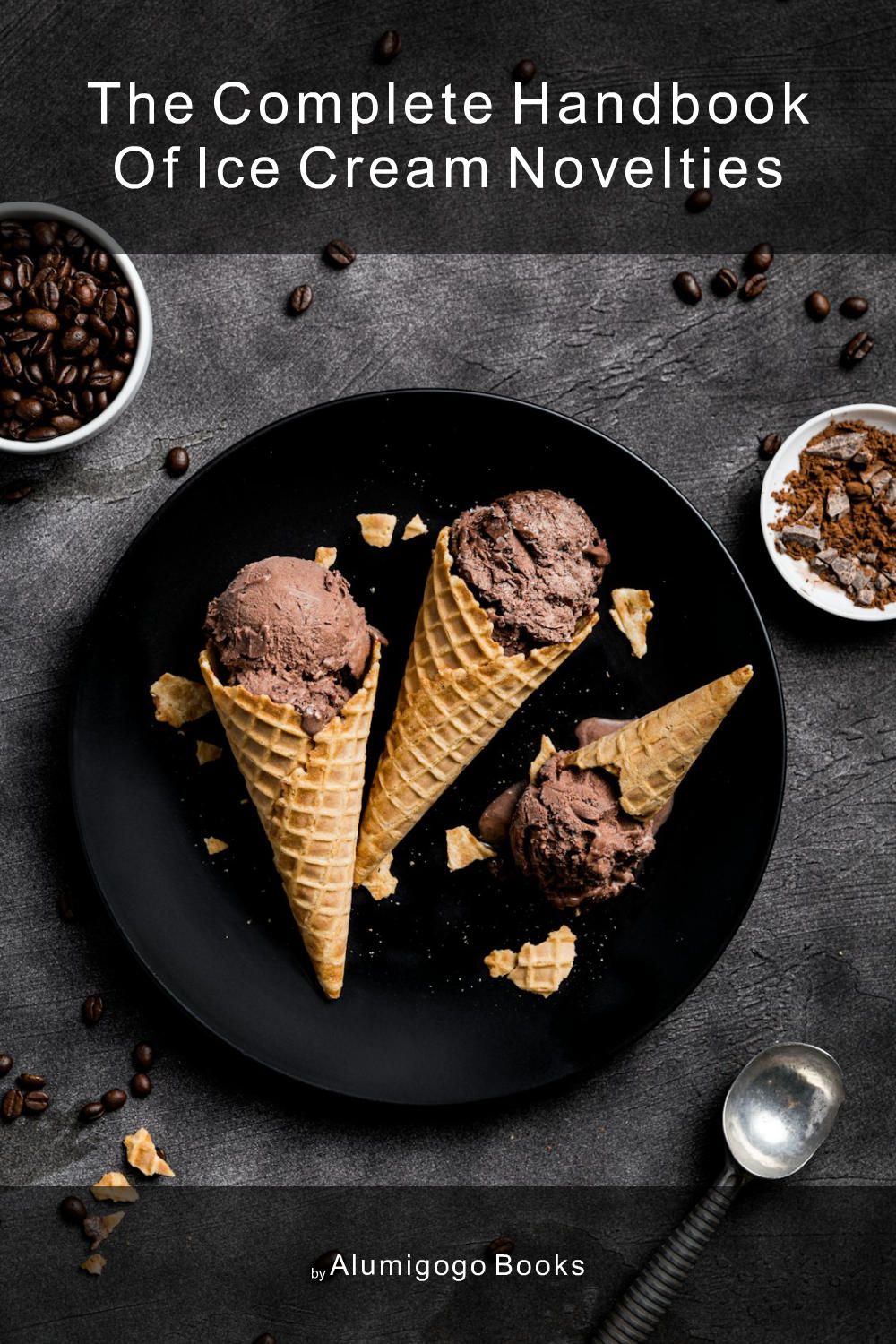
The Complete Handbook of Ice Cream Novelties
A practical reference for manufacturers, retailers, and foodservice operators
★★★★★4.0 · 2 reviewsby Alumigogo Books
non-fiction
From formulation to franchise, the definitive practical guide to making and selling ice cream novelties.
🔒Secure checkout via Stripe
Labor Day Sale
$9
About this book
Ice cream novelties can be a high-margin, high-volume segment, but only if you understand what goes into them. This handbook moves beyond the marketing hype to give you a clear-eyed view of the entire lifecycle of a novelty, from the initial formulation and ingredient selection to the extrusion line and freezer maintenance that keep production running. Whether you are launching a private-label bar, upgrading a scoop shop's display case, or just trying to source a better popsicle, this book details the specifications that actually matter.
Structured as a field manual, it offers practical steps for installation, sanitation, and troubleshooting. It also provides a deep dive into the business side, including how to navigate supplier relationships, take advantage of contract manufacturing, and understand retail cost structures. With an eye on future trends like fat-reduced emulsions and novel inclusions, this handbook ensures you're prepared for the next evolution of the frozen dessert market.
It is a reference designed for the daily needs of professionals and serious enthusiasts who want to understand the 'why' behind the 'how' of making quality novelties. It’s not a list of recipes; it’s a manual for building and running an efficient, quality-focused operation.
Reader Reviews
Anthony Hill
★★★★★It's a solid reference, but I felt the chapter on choosing equipment was a bit too focused on large-scale industrial machinery, which isn't relevant to us small-batch guys. The maintenance chapter saved me a service call, though. The troubleshooting guide for freezer barrel icing was spot on and worth the price of admission for that alone. Just be ready to adapt the specs down if you're not a factory.
Kenneth Brown
★★★★★Finally, a book that treats novelties as an engineering science. The chapter on understanding overrun and ice crystal formation is something I wish I'd read years ago. I used the business cost framework in Chapter 3 to renegotiate terms with our supplier, and the private-labeling guide is better than anything I found in an MBA course. It's a dense read, but it's the only comprehensive reference I've seen that covers both the formulation and the floor-level troubleshooting with such clarity. I've already got sticky notes on half the pages, and I can already tell it’s going to save me from many costly mistakes down the line.