The Complete Handbook of Honey Jars
Selection, Storage, and Maintenance for Professionals and Serious Hobbyists
★★★★★3.8 · 6 reviewsby Alumigogo Books
non-fiction
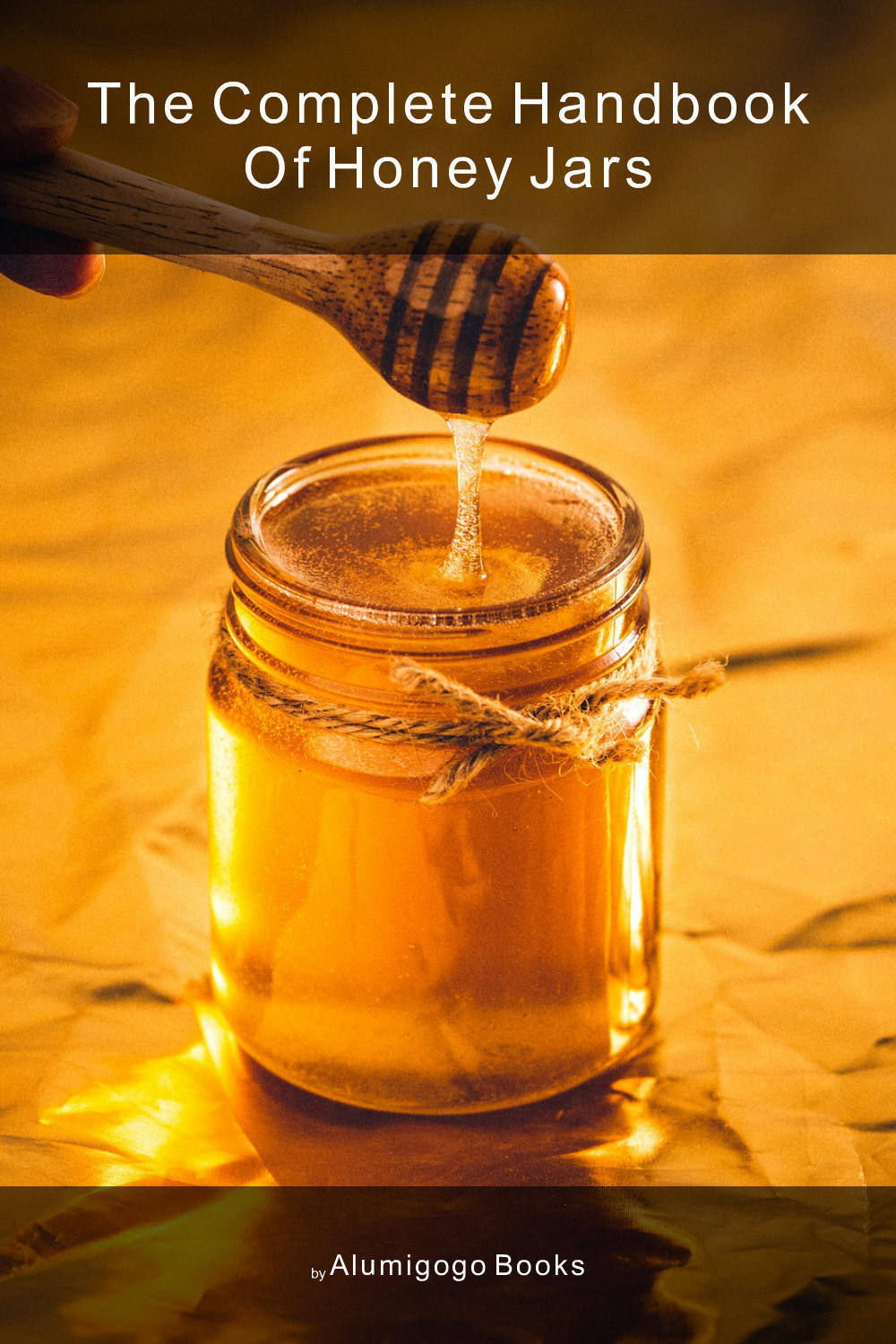
The Complete Handbook of Honey Jars
Selection, Storage, and Maintenance for Professionals and Serious Hobbyists
★★★★★3.8 · 6 reviewsby Alumigogo Books
non-fiction
The technical reference for anyone who packages, stores, or sells honey. From glass types to sealing failures, this is the complete practical guide.
🔒Secure checkout via Stripe
Labor Day Sale
$9
About this book
Honey jars seem simple. They are not. The interaction between glass, lid liner, honey chemistry, and your filling process determines whether your product arrives in perfect condition or crystallizes, leaks, or fails to seal. This handbook covers every aspect of the honey jar, starting with what it actually is and how it works at a material and functional level. It explains the differences between glass types, lid styles, and liner materials, and which combinations work for which honey moisture content and storage environment.
Moving beyond selection, the book provides detailed procedures for filling, headspace management, sealing, and labeling — including specific temperature and timing parameters. It offers a systematic approach to maintenance and troubleshooting, covering common problems like seepage, lid rust, crystallization on the rim, and vacuum loss. You will learn how to diagnose a problem and fix it, rather than just replace the jar blindly.
For readers interested in the commercial side, the book includes a practical analysis of manufacturers, suppliers, and realistic business opportunities: private labeling, wholesale supply, specialty jar distribution, and consulting. It closes with a view of emerging trends — lightweighting, alternative closures, and regulatory shifts — plus a curated guide to the standards bodies and publications that matter. Every chapter ends with actionable knowledge that can be applied immediately.
Reader Reviews
Deborah Green
★★★★★I'm a small beekeeper selling at two farmers markets, and I found the chapter on jar selection genuinely useful. The explanation of why some jars weep while others don't finally made sense to me. That said, the book spends a lot of pages on commercial-scale operations that don't apply to someone like me. I skimmed the business opportunities chapter entirely. A good reference, but it drifts toward a different reader at times.
Ashley Carter
★★★★★The troubleshooting chapter is solid - I diagnosed a lid rust problem in minutes that had been plaguing me since spring. I also appreciated the specific temperature numbers for filling and the honest advice on when NOT to re-use jars. But I marked it down because Chapter 6 felt like an extended advertorial for glass companies, and the author's insistence on 'industry standards' gets a bit repetitive. I wanted more on creative packaging for gift markets.
Lisa Miller
★★★★★This is the first book that treated honey jars as actual equipment rather than just containers you buy. The chapter on understanding how jars work covers liner chemistry and headspace physics in a straightforward way that I could follow. I did find a few claims where I wished there were citations, particularly around vacuum behavior. But overall the practical checklists for choosing a jar have already saved me from buying a batch of the wrong size. Worth the shelf space next to my honey scale.
Patricia Wright
★★★★★As a specialty foods distributor, I've relied on manufacturer spec sheets and a decade of experience. This book organizes all of that scattered knowledge into one coherent reference. The comparison of glass types and the detailed filling temperature parameters are exactly what I need when onboarding new clients. The glossary alone is worth it. I've already recommended it to two of my producers. This is the text I wish I'd had when I started in the business.
Kimberly Garcia
★★★★★The maintenance chapter is exactly what I needed, particularly the section on dealing with crystallized honey that has stuck to the glass. The advice is concrete and it works. I'm giving it three stars because I felt the chapter on future trends was too cautious - it predicted more regulation but didn't give specific examples, which I was hoping for. Also, a few more diagrams would have helped in the sealing section. Text descriptions are fine, but this is a visual topic.
Susan Johnson
★★★★★Finally, a reference that respects the reader's intelligence. No fluff, no pretending that every jar is the same. The chapter on choosing the right jar walked me through a decision matrix for my hot honey line that I hadn't considered - specifically the liner selection and its effect on cap torque. The detailed history in Chapter 1 was unexpected but actually fascinating. I've already implemented the filling temperature recommendation and have seen a measurable reduction in leakage. An indispensable resource.