The Complete Handbook of Hearing Aids
A practical reference for audiologists, dispensers, retailers, and serious users on selecting, fitting, maintaining, and profiting from modern hearing instruments.
★★★★★4.0 · 2 reviewsby Alumigogo Books
non-fiction
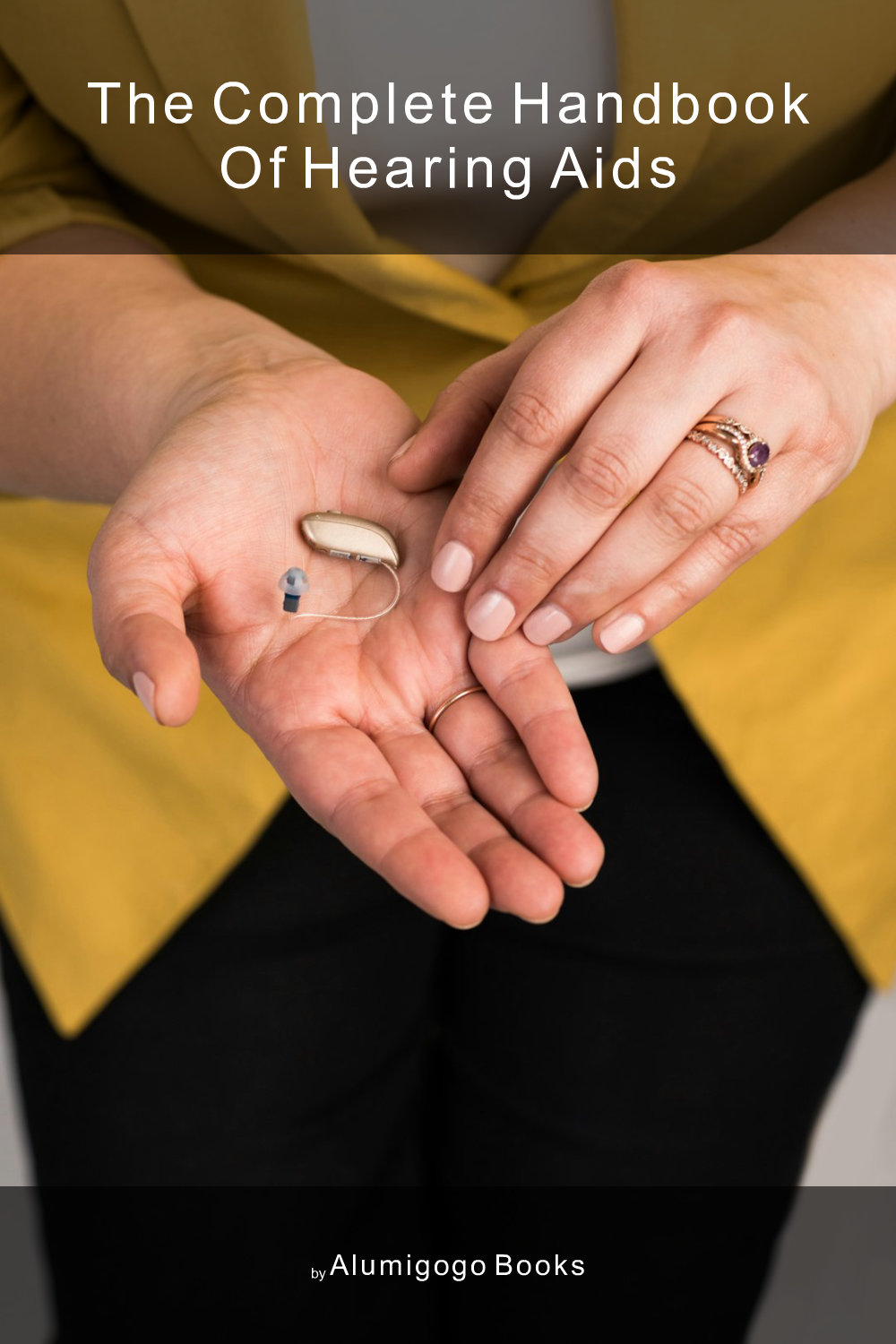
The Complete Handbook of Hearing Aids
A practical reference for audiologists, dispensers, retailers, and serious users on selecting, fitting, maintaining, and profiting from modern hearing instruments.
★★★★★4.0 · 2 reviewsby Alumigogo Books
non-fiction
A no-nonsense technical reference for anyone who sells, fits, services, or seriously uses hearing aids.
🔒Secure checkout via Stripe
Labor Day Sale
$9
About this book
Most hearing aid information is either a manufacturer's spec sheet or a sales pitch. This handbook cuts through both. It starts with the physics of amplification and the components inside a modern device, then walks through the different form factors, the specifications that actually affect performance (gain, output, bandwidth, compression, and noise reduction), and how to interpret them in a clinical or retail context.
Reader Reviews
Eric Garcia
★★★★★Finally a hearing aid book that doesn't feel like a brochure. I've been fitting devices for 12 years and I still found the chapter on interpreting spec sheets genuinely useful - the difference between peak gain and average gain is something I now explain to my trainees properly. The business chapter is honest about margins and overhead, which is rare in this industry. I've already ordered 5 copies for my practice's library. The glossary alone is worth the price for newer staff.
Steven Perez
★★★★★Decent reference and the technical chapters on maintenance are solid, but I was hoping for a bit more detail on the actual fitting software for the major brands. The book deliberately stays vendor-neutral, which is fine for theory, but when I'm in the middle of a fitting and need to know which menu to change for feedback, this doesn't help me. It's more of a textbook than a field manual. Chapter 7 on trends felt a little generic too, though the list of certification bodies was useful. I'll keep it on my shelf but it's not my first reach.