The Complete Handbook of Hair Styling Products
Professional and Business Reference for Formulation, Selection, Application, and Commercial Opportunity
★★★★★5.0 · 2 reviewsby Alumigogo Books
non-fiction
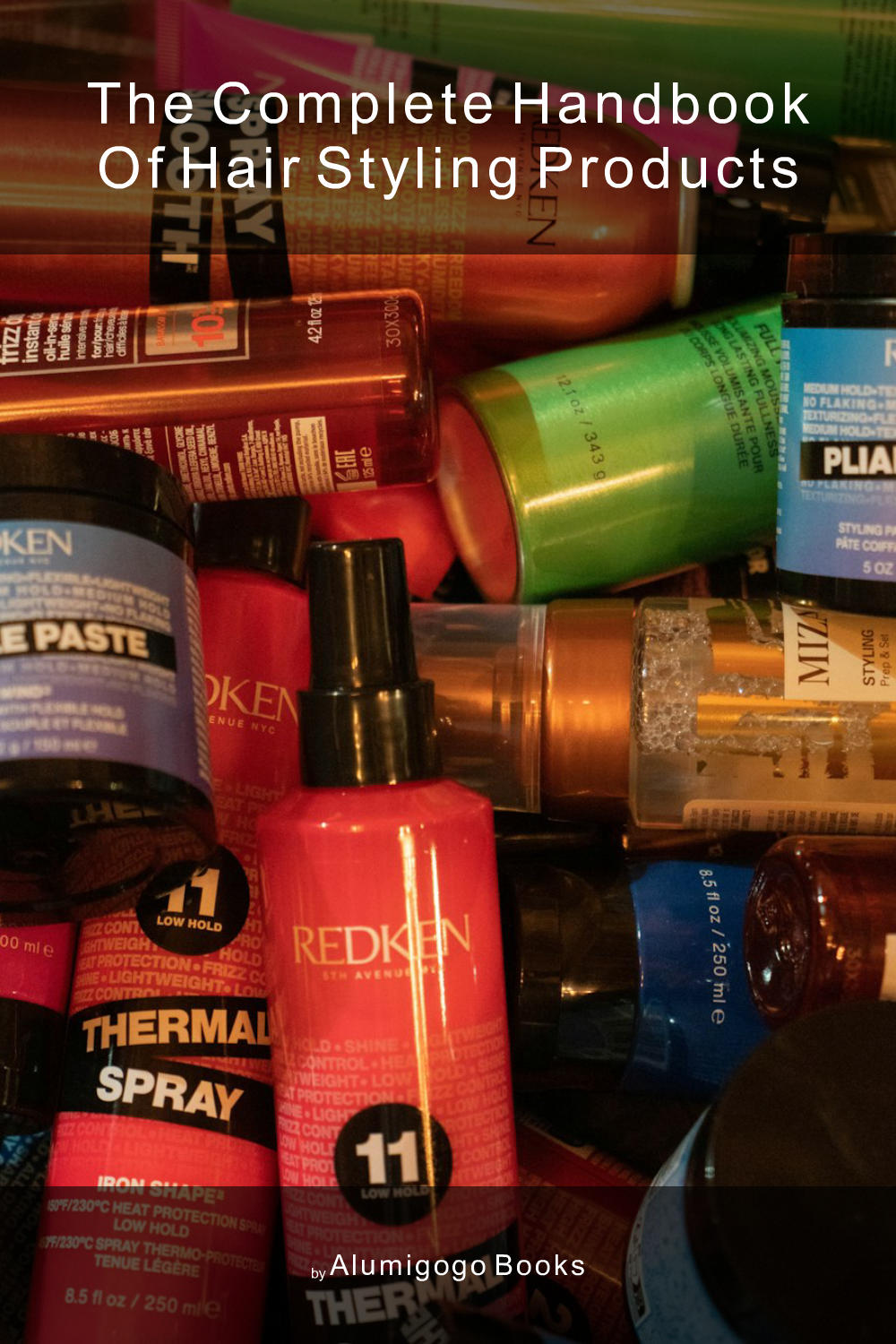
The Complete Handbook of Hair Styling Products
Professional and Business Reference for Formulation, Selection, Application, and Commercial Opportunity
★★★★★5.0 · 2 reviewsby Alumigogo Books
non-fiction
Cut through the marketing. Understand hair styling products the way professionals do: formulation, selection, application, troubleshooting, and business strategy.
🔒Secure checkout via Stripe
Labor Day Sale
$9
About this book
Hair styling products are formulated chemistry, not marketing categories. Yet most professionals, business owners, and enthusiasts rely on incomplete information—manufacturer claims, salon gossip, and marketing language that obscures how products actually work.
This handbook teaches you to think like a formulation chemist and a business analyst. You'll learn what polymers, oils, and solvents actually do to hair; how to read specifications and compare products objectively; how to diagnose why a product isn't working for a particular client or use case; how to maintain and troubleshoot products correctly; and how to identify real commercial opportunities—whether you're restocking a salon, building your own brand, or consulting for a distributor.
Written for professionals, businesses, and serious enthusiasts, this is the reference you'll return to when marketing language won't answer your question.
Reader Reviews
Edward Smith
★★★★★Finally, a book that treats hair styling products like what they are: formulated chemistry, not marketing categories. Chapter 1 alone clarified what polymers actually do to hair, and once you understand the chemistry, everything else in the handbook clicks into place. I run a salon and I've been recommending products based on trial and error for years. This book changed how I select inventory and solve client problems. Worth it for any professional.
Sharon Robinson
★★★★★I was skeptical a handbook could make styling products less opaque, but the way this book breaks down formulation types and lets you compare products by actual specifications instead of price and packaging is genuinely useful. The business chapter was eye-opening too—I didn't realize there were real margin opportunities in private-labeling and consultation. Strong reference, practical throughout.