The Complete Handbook of Hair Color
A Professional Reference for Colorists, Salon Owners, Distributors, and Serious Practitioners
★★★★★3.3 · 6 reviewsby Alumigogo Books
non-fiction
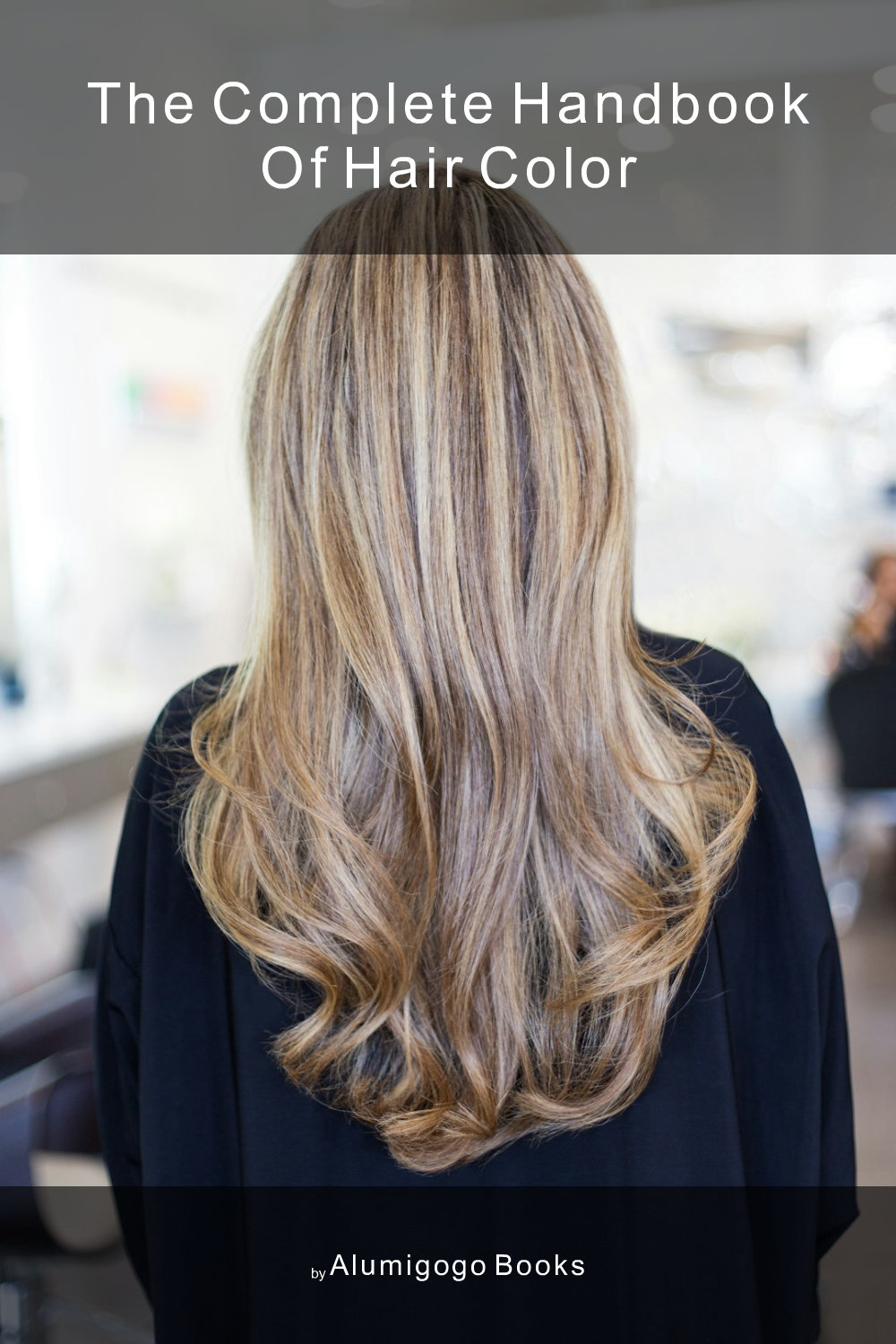
The Complete Handbook of Hair Color
A Professional Reference for Colorists, Salon Owners, Distributors, and Serious Practitioners
★★★★★3.3 · 6 reviewsby Alumigogo Books
non-fiction
The professional's guide to hair color chemistry, selection, application, and business—focused on what actually works, not marketing claims.
🔒Secure checkout via Stripe
Labor Day Sale
$9
About this book
Hair color is not a single product category—it's a complex intersection of chemistry, application technique, product performance, and economics. Whether you're a salon colorist choosing between formulations, a distributor evaluating suppliers, a beauty educator teaching the next generation, or an entrepreneur building a hair color business, you need to understand how color actually works, which specifications matter, how to diagnose failures, and where opportunity exists.
This handbook cuts through marketing language to cover the mechanics: how pigment and peroxide interact with the hair shaft, what "level" and "tone" actually mean in practice, how to read a product specification sheet, why some formulations cause breakage and others don't, how to troubleshoot color that doesn't take or fades too fast, and how to build a sustainable business around hair color—whether that means retailing, private-labeling, consulting, or servicing. Each chapter is grounded in real scenarios: the colorist facing a client with previously color-treated hair and scalp sensitivity, the salon owner comparing wholesale costs across brands, the distributor evaluating a new supplier's quality claims, the educator explaining why technique matters as much as product choice.
Read straight through or use it as a reference. Either way, you'll understand the category at the level professionals and serious hobbyists actually operate.
Reader Reviews
Lisa Rodriguez
★★★★★This is exactly what I needed as a new salon owner trying to understand why our wholesale costs vary so much between suppliers and what we're actually paying for. Chapter 2 on specifications alone saved me hundreds in the first month—I finally understood why some products are priced 2x others and could make informed decisions. The troubleshooting chapter is solid too. My only gripe is that Chapter 6 could have more concrete examples of what markup is realistic and how to calculate it, but overall this is the reference I'll keep on my desk.
Brian Lewis
★★★★★A refreshingly no-nonsense guide. After years of bouncing between beauty school theory and YouTube tutorials, I finally have something that explains the actual chemistry in a way that connects to what I do every day—why a certain developer volume matters, what happens if you mix the wrong ratio, how to spot a color failure before it's too late. The chapter on choosing the right product for different hair types and conditions is practical and specific. One small thing: some of the troubleshooting scenarios could use more visual reference (a photo of what 'hot roots' or 'uneven tone' actually looks like), but the text descriptions are clear enough.
Brian Garcia
★★★★★Good fundamentals, but I was hoping for more depth on the newer plant-based and lower-ammonia formulations—that's where the category seems to be heading, and the book touches on it but doesn't drill into how those products actually perform differently or when to recommend one over traditional. The first chapter is solid and the troubleshooting is useful, but several chapters felt like a good overview rather than the complete handbook the title promises. Still worth having as a reference, just know it's an introduction to the category rather than a deep dive.
Mark Williams
★★★★★Solid reference, though I'm an educator and I was looking for more guidance on how to structure lessons around this material or how to explain color theory to students using real products. The book assumes you already have some baseline knowledge—it's not written for absolute beginners. That said, the business opportunity chapter and the technical specs breakdown are genuinely useful, and I'll be using the glossary and FAQ in my curriculum. Worth the price for that alone.
Jennifer Thomas
★★★★★I picked this up as a distributor trying to understand product positioning better, and it helped me see the real differences between brands I carry. But I wish there was more on how to evaluate a new supplier's quality claims or what actual technical standards exist in the industry. The book is good at explaining what color is and how it works, but thinner on the industry standards, certifications, and benchmarks that matter when you're sourcing at scale. Still useful, just more foundational than I expected.
Barbara Nguyen
★★★★★The chemistry explanations in Chapter 1 finally made sense of things I'd been doing by rote for years. Understanding why peroxide strength matters and what actually happens to the hair shaft was genuinely eye-opening. But honestly, the book feels incomplete without more visual aids—diagrams of the hair structure, a color wheel you can reference, photos of what different tones look like in real light. The text is clear, but a handbook without visuals is a bit limiting for a visual category like color. That said, the chapters on troubleshooting and maintenance are practical and I've already used the advice.