The Complete Handbook of Foam Blocks
A practical reference for professionals, businesses, and serious hobbyists selecting, using, and scaling with foam block systems
★★★★★4.3 · 3 reviewsby Alumigogo Books
non-fiction
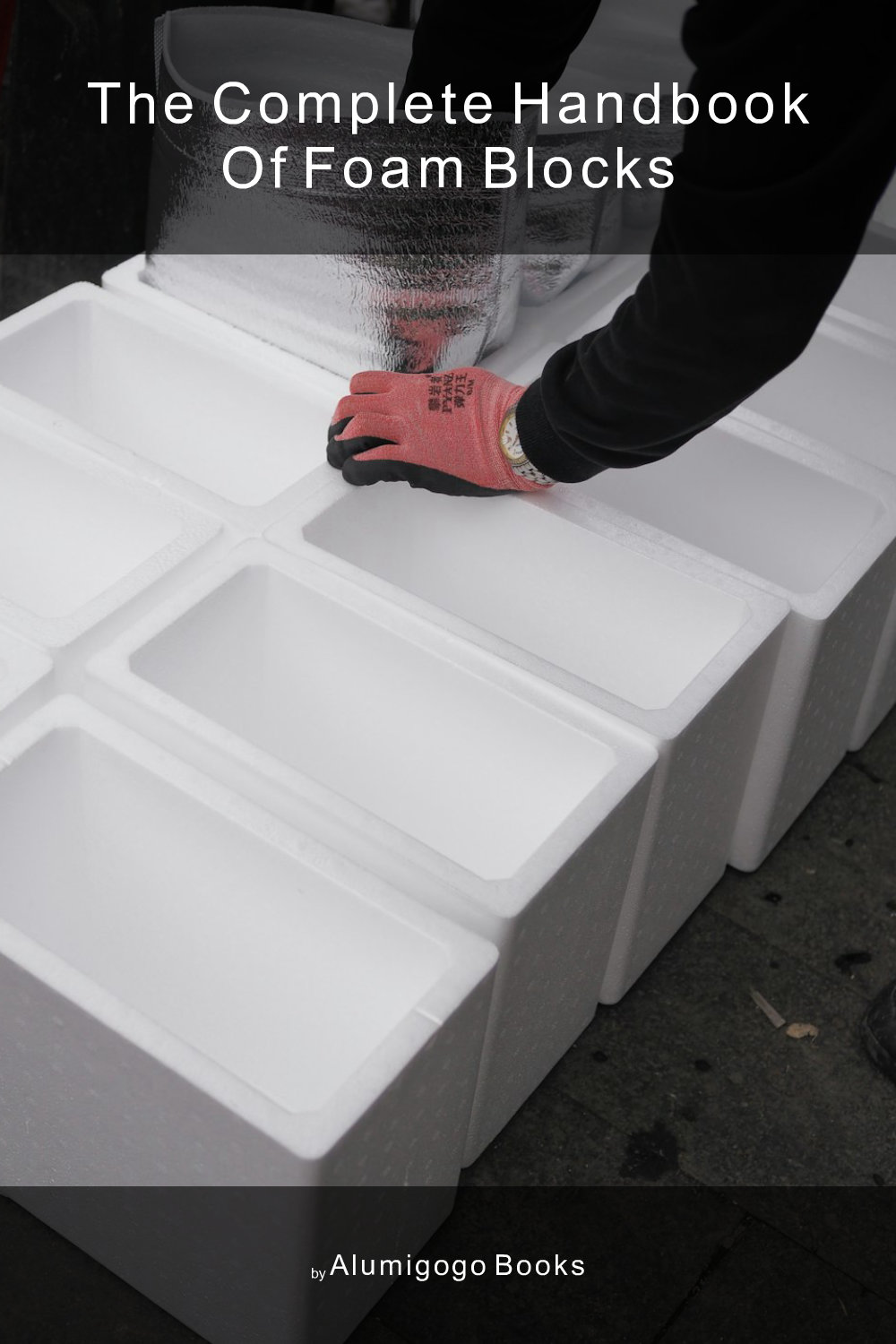
The Complete Handbook of Foam Blocks
A practical reference for professionals, businesses, and serious hobbyists selecting, using, and scaling with foam block systems
★★★★★4.3 · 3 reviewsby Alumigogo Books
non-fiction
Specifications, selection, maintenance, and business strategy for foam blocks—written for professionals, not consumers.
🔒Secure checkout via Stripe
Labor Day Sale
$9
About this book
Foam blocks are ubiquitous in educational, therapeutic, and recreational settings—but most buyers and users have only marketing copy and trial-and-error experience to guide their decisions. This handbook fills that gap.
Whether you're equipping a gymnasium, selecting materials for a sensory room, managing inventory for a resale operation, or designing a new product line, you need to understand the material properties, performance differences, and real-world durability characteristics of foam blocks. You also need to know what specifications matter (and which ones don't), how to diagnose common problems, and where the supply chain actually points.
Written for professionals, serious hobbyists, and entrepreneurs—not casual consumers—this reference covers the complete lifecycle of foam block selection, deployment, and maintenance, plus concrete guidance on business opportunities in this category.
Reader Reviews
Kathleen King
★★★★★This is exactly what I needed before ordering blocks for our new sensory room. The chapter on material types finally explained why EVA costs more than polyethylene, and why that actually matters for our use case. The selection framework in Chapter 3 saved me from buying the wrong density for our application. Highly recommend if you're making any serious purchasing decision in this category.
Thomas Martinez
★★★★★I've been reselling foam blocks for three years and thought I knew the product, but this handbook gave me the language and specifications to talk to distributors and justify price differences to customers. Chapter 6 on business models was eye-opening—I didn't realize custom fabrication and rental were viable options. This is the reference I wish I'd had when I started.
Jeffrey Martin
★★★★★The technical material in the first two chapters is solid and genuinely useful, especially the breakdown of EVA vs. polyethylene trade-offs. My main frustration is that Chapter 3's selection framework assumes you already know your density and fire-rating requirements—it could use more worked examples of how to back into those specs from real-world constraints. Still valuable overall, but felt like it left me hanging at the critical decision point.