The Complete Handbook of Flute Small Parts
A Practical Reference for Technicians, Repair Shops, Dealers, and Serious Players
★★★★★3.8 · 8 reviewsby Alumigogo Books
non-fiction
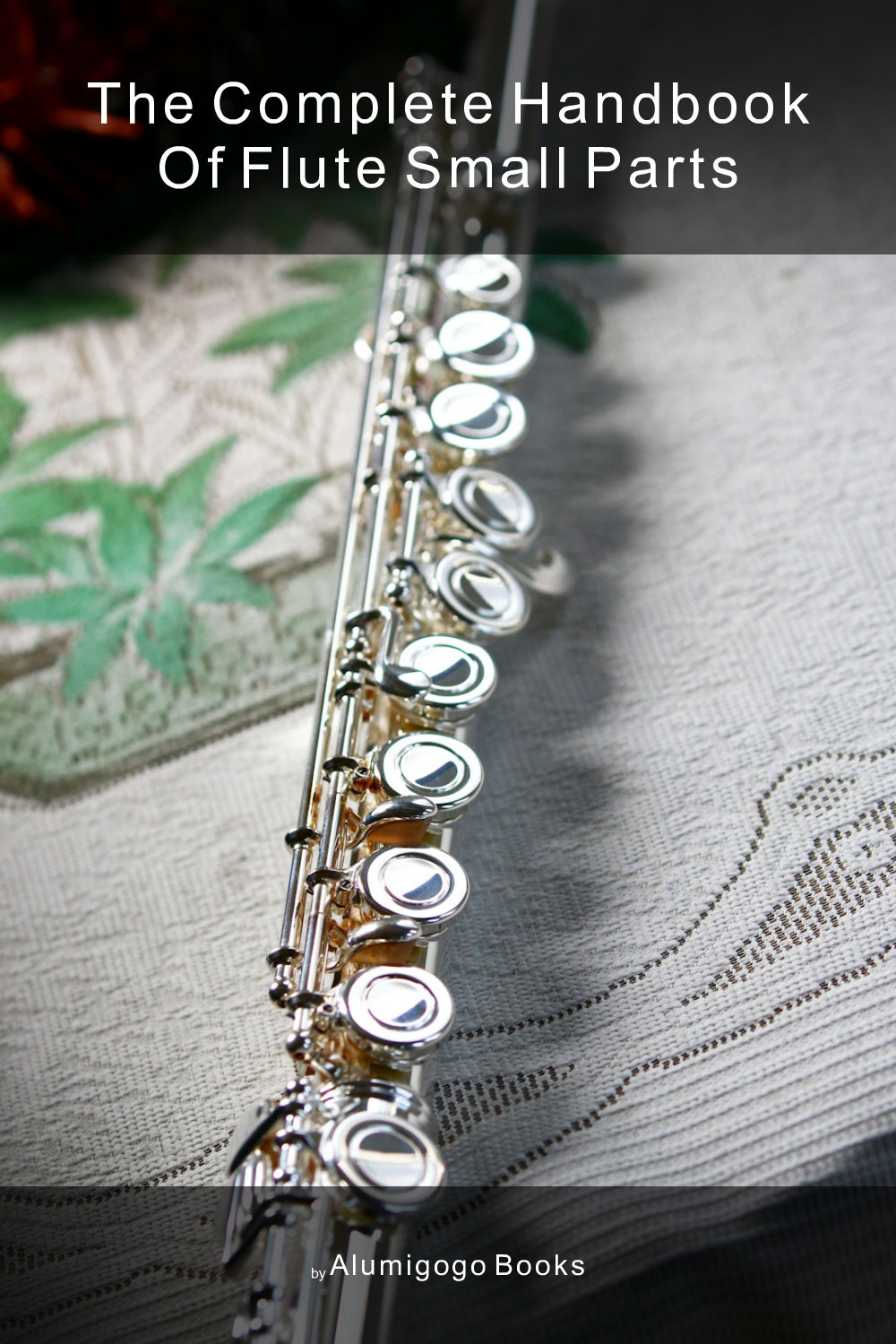
The Complete Handbook of Flute Small Parts
A Practical Reference for Technicians, Repair Shops, Dealers, and Serious Players
★★★★★3.8 · 8 reviewsby Alumigogo Books
non-fiction
The shop manual for flute small parts: screws, springs, pads, corks, felts, and the business of selling them.
🔒Secure checkout via Stripe
Labor Day Sale
$9
About this book
Every flute, from a student model to a hand-made platinum concert instrument, is held together by a handful of small, precision components. A single worn felt or a bent spring can render an instrument unplayable. Yet most repair manuals treat these parts as an afterthought, and most parts suppliers list them without explaining what actually matters. This handbook closes that gap.
It begins by mapping the mechanical system of the flute: which parts bear load, which parts wear, and which parts are critical for proper key motion. It then provides concrete specifications for materials, plating, tolerances, and compatibility across common flute brands. The middle chapters walk through the actual work of selecting, installing, and maintaining these parts, with step-by-step procedures that assume no prior repair experience. The final chapters cover the commercial side: how to source parts, position a parts business, and what regulatory and material trends will shape the next decade.
Reader Reviews
Lisa Baker
★★★★★This is a solid reference, and I've already used the chapter on screw specifications to order replacements for a Yamaha and a Gemeinhardt. The problem is that it feels like it was written more for someone setting up a parts business than for a player who just wants to fix their own flute. The chapter on installation is clear, but I found myself skimming a lot of the business content. It's worth having on the shelf, but it's not the quick-answer book I half expected.
Lisa Hall
★★★★★I bought this hoping for a simple parts finder. It is that, but it's also a lot more, and that's both good and bad. I appreciated the explanation of why my pads kept failing (the chapter on leather versus synthetic was genuinely useful). For an amateur like me, some sections go into more depth than I need, especially on plating thicknesses and torque specs. Three stars because it's well done but not exactly targeted at a non-professional.
Carol Wright
★★★★★The good part is that it finally explains the difference between a simple cork and the various synthetic alternatives without sounding like a sales pitch. The bad part is that the troubleshooting chapter assumes you have a full bench of tools. A beginner with a basic screwdriver won't be able to do half the procedures. I appreciate the completeness, but I was hoping for a few more 'quick fix' sections rather than full disassembly guides.
Jennifer Jones
★★★★★A genuinely useful reference for a music store counter person. The comparison of spring wire types and the section on key fit have already helped me answer customer questions and avoid ordering the wrong parts. The business chapter felt a bit basic for someone already in the trade, but the technical chapters more than justify the price. My only complaint is the lack of a quick-reference chart on the inside cover for common screw sizes.
Rebecca Garcia
★★★★★This is the book I wish I had when I started apprenticing ten years ago. It covers everything from the correct way to file a pivot screw to the reality of running a parts business. The chapter on installation alone is worth the price, with the sort of practical detail that most senior techs hoard and never write down. I've already bought two copies: one for my bench and one for my student. I only wish it had been available earlier.
Susan Williams
★★★★★Well-organized, and the tone is refreshingly direct. I don't need the business chapters because I work in a school system, but the maintenance and troubleshooting sections are excellent. The explanation of why certain screws back out over time finally solved a recurring problem I've had with a student's flute. I deducted one star because the book assumes access to specialty tools like a spring hook and pad iron, which not every school band director just has lying around.
Barbara Rivera
★★★★★As a full-time repair technician, I can say this is the most practical reference on small parts I've seen in print. It doesn't shy away from the details that matter: exact material grades, plating thickness, and the physical reason why a part fails. The business section is a realistic take on the economics of parts supply, not the usual fantasy about making millions. I keep it on my bench and have already replaced my old binder of notes with these chapters.
Anna Davis
★★★★★It's competent and accurate — the sections on pad seating and cork selection are clearly written by someone who has done the work. However, I felt the book spent too many pages on the business angle and not enough on the parts themselves. A chapter with a comprehensive cross-reference of part numbers across the major brands (Yamaha, Pearl, Muramatsu) would have been more useful. As it stands, it's a good intro, but a serious parts dealer will still need the manufacturer catalogs.