The Complete Handbook of Fishing Rod Accessories
A Practical Reference for Selecting, Maintaining, and Profiting from Rod Components and Add-Ons
★★★★★4.4 · 7 reviewsby Alumigogo Books
non-fiction
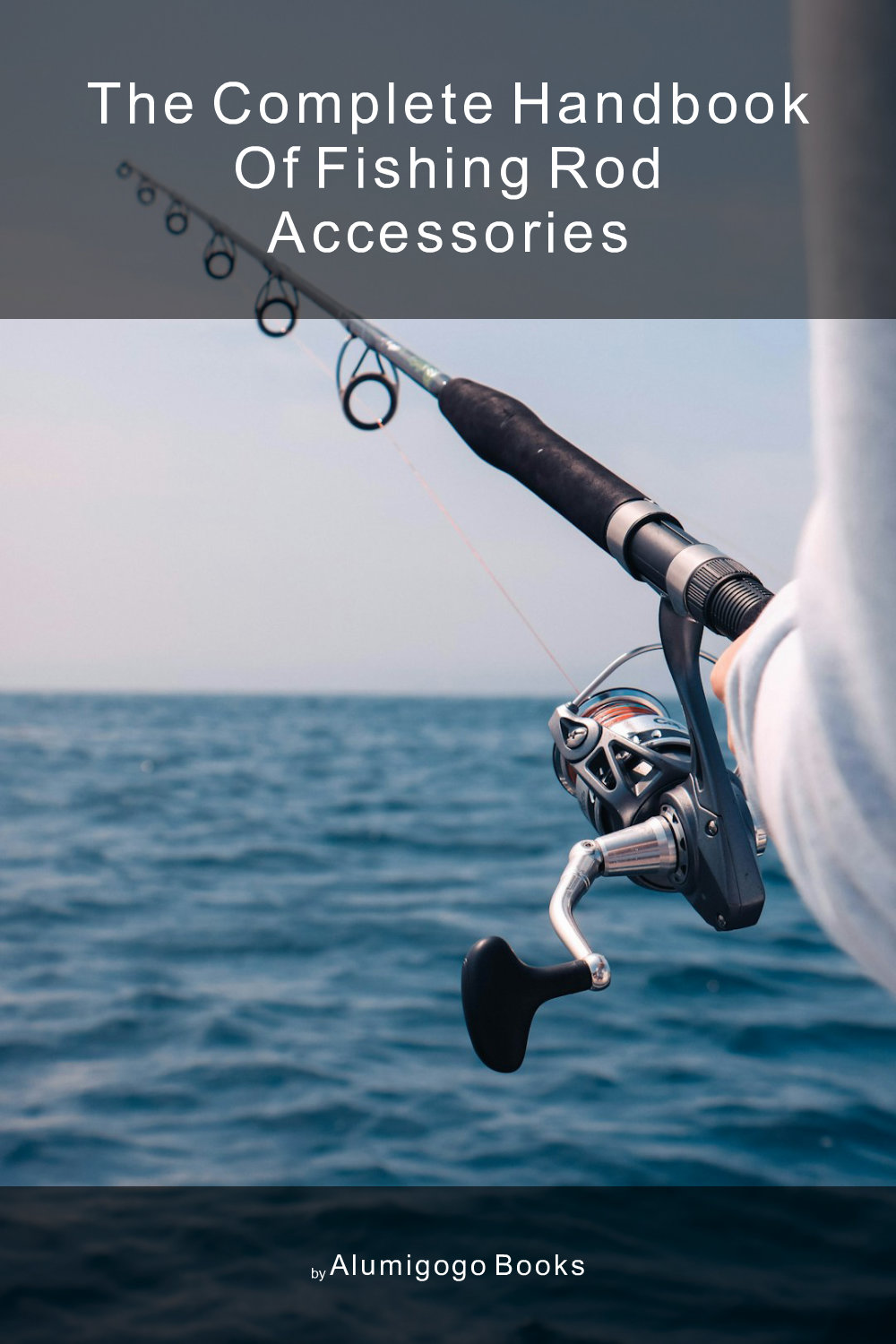
The Complete Handbook of Fishing Rod Accessories
A Practical Reference for Selecting, Maintaining, and Profiting from Rod Components and Add-Ons
★★★★★4.4 · 7 reviewsby Alumigogo Books
non-fiction
A complete, practical handbook on fishing rod accessories—what they do, how to choose them, and how to profit from them.
🔒Secure checkout via Stripe
Labor Day Sale
$9
About this book
The rod is often called the most important piece of fishing gear, but the components that make it perform are frequently overlooked. The Complete Handbook of Fishing Rod Accessories examines the 30+ components that attach to, protect, and enhance a rod—from the tiptop to the butt cap. It explains how guide ring materials like aluminum oxide, silicon carbide, and titanium affect line friction and heat dissipation, and why the quality of a reel seat can make or break a 5,000-dollar offshore build. This is not a consumer review book; it is an engineering-oriented reference for professionals who need to understand the system.
The book is structured to serve different needs. The early chapters break down categories and specifications, helping a buyer decode a catalog page full of alphanumeric jargon. The middle chapters provide step-by-step installation procedures for common accessories and a diagnostic guide for rod noise, guide cracking, and reel seat failure. The later chapters pivot to the business side: how to evaluate suppliers, what margins look like in accessory retail, and private-labeling options for custom rod builders.
Whether you are upgrading a single rod for a specific fishing trip or stocking a retail shelf for serious anglers, this handbook gives you the vocabulary and the logic to make informed decisions. It cuts through the noise, focuses on the physical realities of fishing, and helps you avoid costly mistakes.
Reader Reviews
Jonathan Garcia
★★★★★I found the technical chapters (2 and 3) very solid, and the supplier breakdown in chapter 6 was practical and honest. My reservation is that the installation section assumes a dedicated rod-wrapping lathe, which a lot of hobbyists don't have. The troubleshooting chapter saved it for me, the section on diagnosing guide wear was spot on for my charter fleet.
Andrew Wright
★★★★★I own a tackle shop and have been building rods for 12 years. This is the first book that actually gives a straight answer on the real difference between titanium and stainless frames, with numbers I can use when customers ask. The business chapter alone is worth the price, the margins and supplier positioning info is eerily accurate. My staff is now required to read it.
Brian Hill
★★★★★Finally, a reference that isn't written by a blogger trying to sell me a product. The chapter on materials (is that chapter 2?) clarifies the ring hardness thing once and for all. I replaced my Alconite guides with silicon carbide ones after reading the friction data, and the casting distance improvement on my jigging rod was measurable. It reads like a proper engineering handbook.
Michael Johnson
★★★★★Well organized and genuinely informative, especially the maintenance chapter on removing seized reel seats. I dock one star because the section on glue/epoxy selection was a bit thin; I still have to guess between two-part epoxies for my surf rod build. But the fault-finding chart is a great quick reference for the common problems.
Christopher Baker
★★★★★I bought this on a recommendation for my charter business. I was expecting a fluff piece, but the analysis of saltwater corrosion in reel seats and the table on guide ring hardness versus line damage is the kind of information a professional needs. It's already saved one customer's rod and a reputation, because I knew exactly why a guide was failing. Serious, no-nonsense book.
Sarah Nguyen
★★★★★As a guide, I don't have time to overthink gear, but I need to know what to stock in my truck for mid-trip repairs. The troubleshooting guide in chapter five is spot on, I used it to fix a loose reel seat on an offshore charter yesterday. The chapter on business opportunities is surprisingly deep, it actually made me think about retailing my old rods. A bit dry in places, but that's a good thing for a manual.
Barbara Davis
★★★★★I'm a hobbyist who builds rods as a hobby. The early chapters are a bit dense for a beginner, but the glossary and the FAQ are lifesavers. I found the explanation of tiptop sizing and how it relates to line flow incredibly clear. It's not a casual read, it's a reference textbook, which is exactly what I wanted, even if it did put me to sleep once or twice.