The Complete Handbook of Fishing Floats
A Practical Reference for Selecting, Rigging, and Maintaining Fishing Floats
★★★★★3.3 · 3 reviewsby Alumigogo Books
non-fiction
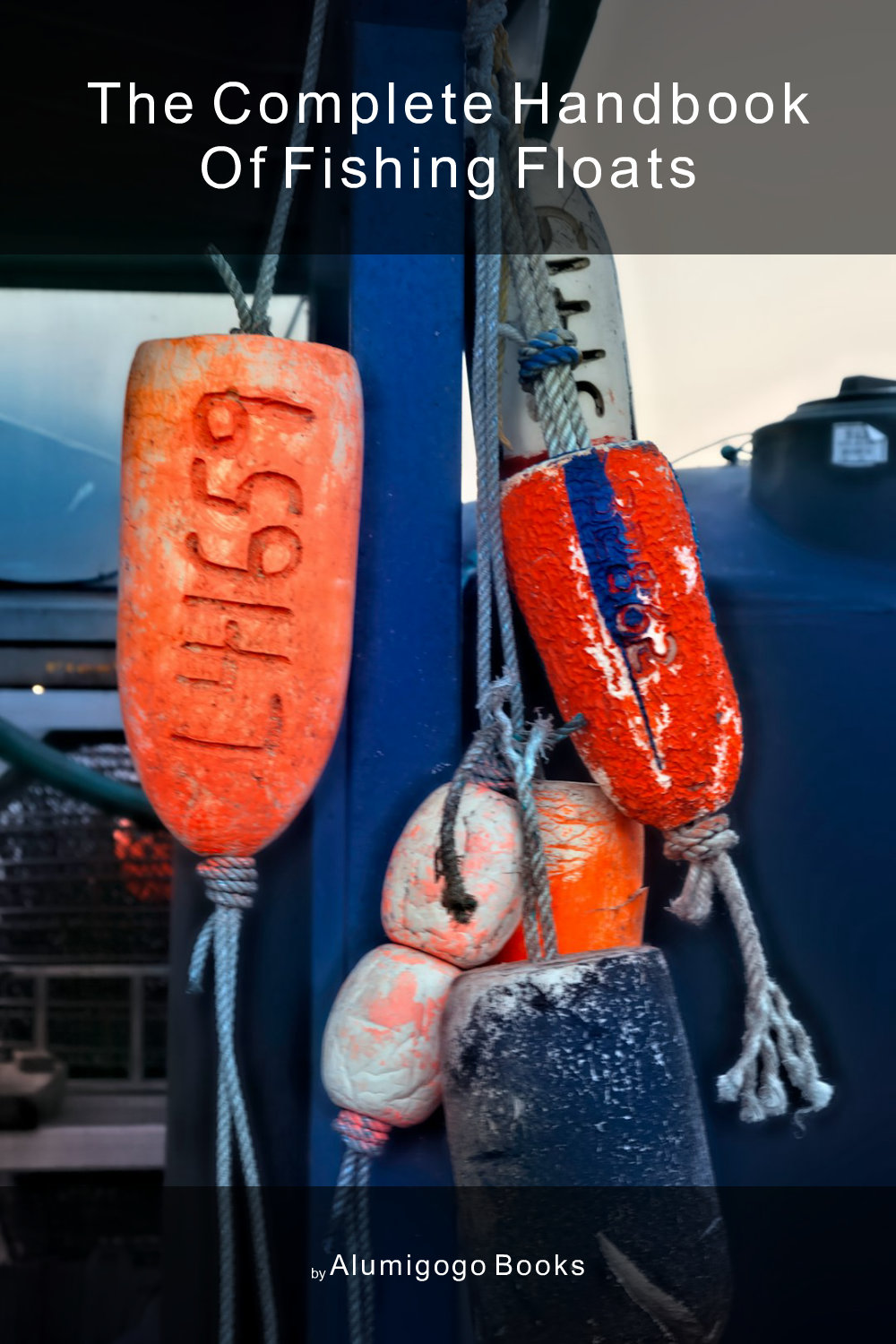
The Complete Handbook of Fishing Floats
A Practical Reference for Selecting, Rigging, and Maintaining Fishing Floats
★★★★★3.3 · 3 reviewsby Alumigogo Books
non-fiction
The complete reference on float selection, rigging, maintenance, and sourcing for anglers and the trade.
🔒Secure checkout via Stripe
Labor Day Sale
$9
About this book
From the delicate crystal quill to the heavy-duty sea float, the humble bobber is a precision instrument that varies more in design and application than most anglers realize. This handbook strips away the myth and marketing to give you a functional understanding of what floats actually do, how they behave under different conditions, and how to match them to the job at hand. Coverage includes a full taxonomy of float types, a breakdown of the specifications that genuinely matter (buoyancy, shot capacity, antenna length, body shape, and material), and a practical method for choosing the correct float for a given scenario.
The middle sections cover hands-on skills: how to rig fixed and sliding floats correctly, how to adjust depth with precision, and how to handle common problems like line twist, sinkage, and poor bite detection. The final sections address the commercial side of the category—a review of how brands position themselves from budget to premium, what to look for in wholesale sourcing, and how to identify viable business opportunities in retail, guiding, and consulting. A dedicated chapter looks at emerging trends like durable bio-based polymers and tunable electronic floats, along with the standards landscape that serious buyers should be aware of.
Written for professionals and serious enthusiasts, not casual readers, the book maintains a neutral, practical tone throughout. It is organized for quick reference in the shop or on the bank, with a dedicated troubleshooting chapter and a glossary of key terms. Whether you are stocking a tackle store, outfitting a guide boat, or simply trying to fish a wind-chopped lake effectively, this is the manual you will reach for again and again.
Reader Reviews
Jason Lee
★★★★★It's a solid reference and I'll keep it on the shelf, but I was hoping for a bit more depth on the physics side. The chapter on understanding floats covers buoyancy well, but the section on choosing the right float felt a bit generic when it came to ultralight and micro-floats. That said, the maintenance chapter is genuinely useful and the troubleshooting section alone is worth the price. It's a good book, not a great one.
Deborah Miller
★★★★★I run a small guide service on a river system with heavy current, so I've bought my share of poorly-performing floats. The section on shot capacity and how it relates to water density was an eye-opener, and the rigging instructions for the sliding float are the clearest I've seen in print. I docked one star only because the chapter on business opportunities lists a lot of good ideas but doesn't include any real-world financial benchmarks or examples. Still, it's the most practical float book I own.
Paul Gonzalez
★★★★★As someone who ties their own floats and sells them to a few local shops, I was hoping for more on manufacturing and materials. The trend chapter touches on bio-polymers, but the author doesn't really dig into how a small manufacturer would adapt. The core chapters on types and rigging are well done, though, and the FAQ section answered a couple of recurring questions I've had about storage brittleness. It needs a second edition with more hands-on manufacturing detail.