The Complete Handbook of Emergency Food Kits
A Field Guide for Professionals and Serious Hobbyists: Selection, Configuration, Storage, and Practical Use
★★★★★3.0 · 1 reviewby Alumigogo Books
non-fiction
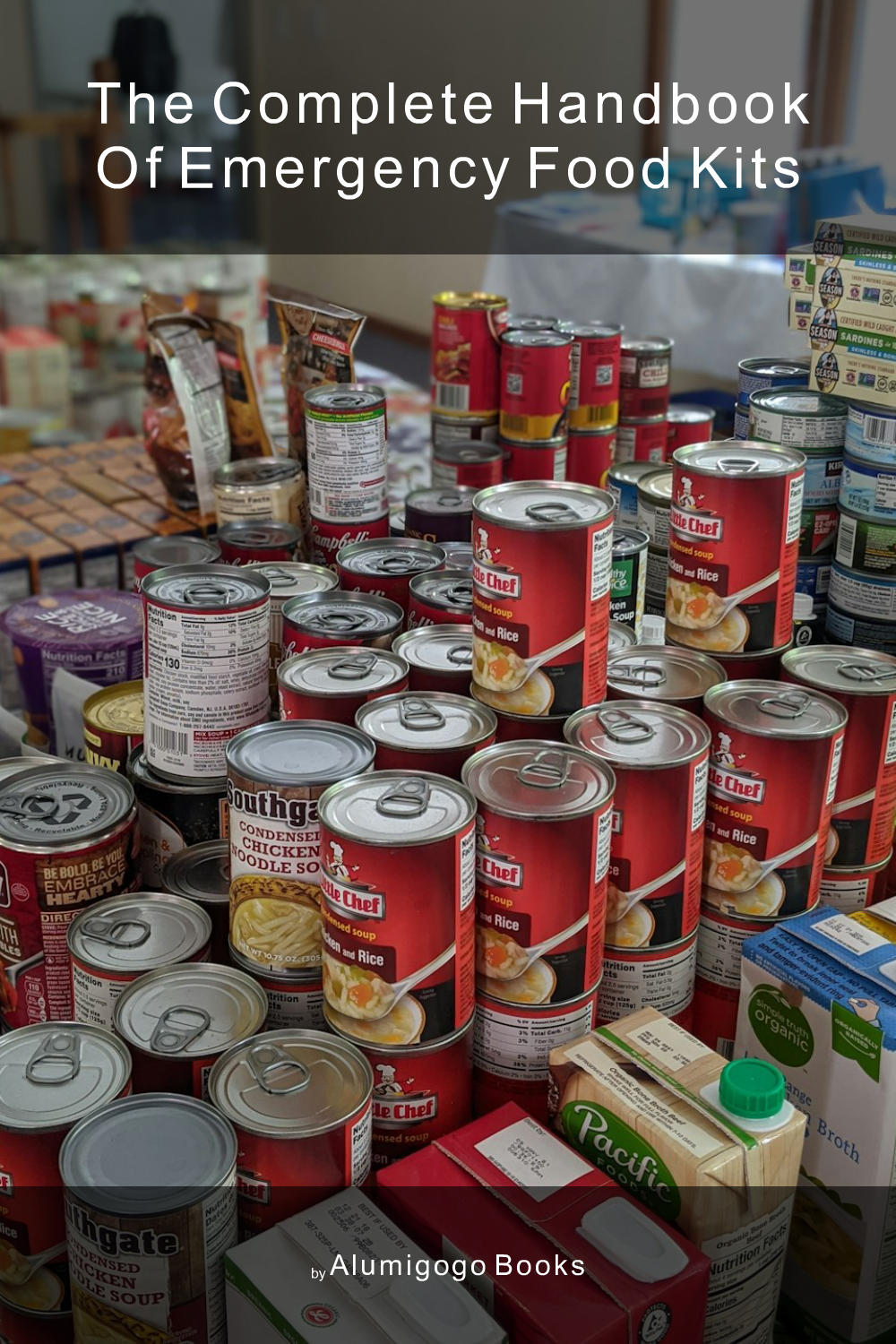
The Complete Handbook of Emergency Food Kits
A Field Guide for Professionals and Serious Hobbyists: Selection, Configuration, Storage, and Practical Use
★★★★★3.0 · 1 reviewby Alumigogo Books
non-fiction
A technical manual for choosing, storing, and using emergency food kits that won't fail you when the lights go out.
🔒Secure checkout via Stripe
Labor Day Sale
$9
About this book
In the emergency preparedness industry, most information about food kits is either a sales pitch or a collection of anecdotal forum posts. This handbook cuts through the noise to provide a clear, evidence-based framework for understanding what you are actually buying. We examine the science of food degradation, the specific properties of packaging films, and the physiological requirements of survival nutrition, stripping away the marketing hype around '25-year shelf life' to explain what it really means in practice.
Divided into nine practical chapters, this book walks you from the fundamental principles of food storage to advanced procurement strategies and business opportunities. It is a reference written for the professional or serious enthusiast who wants to compare options based on quantifiable specs like oxygen transmission rates (OTR), water activity (Aw), and caloric representation, rather than vague marketing slogans. Whether you are outfitting a corporate HQ, a remote construction site, or a personal bunker, this handbook provides the concrete, usable knowledge to build a food security plan that works.
Reader Reviews
Eric Mitchell
★★★★★It's a solid reference and I don't regret buying it, but I found the pacing a bit uneven. The initial science on oxygen transmission rates and water activity is fascinating and exactly what I wanted, but the business opportunities chapter feels like it belongs in a different book. I got a concrete methodology for auditing my own storage, which is what I needed, but I found myself skimming the back half. It is a professional text, but it feels less focused on the pure 'survival' aspect and more on corporate logistics.