The Complete Handbook of Drip Coffee Makers
Essential Knowledge for Coffee Service Professionals, Facility Managers, and Serious Hobbyists
★★★★★3.8 · 6 reviewsby Alumigogo Books
non-fiction
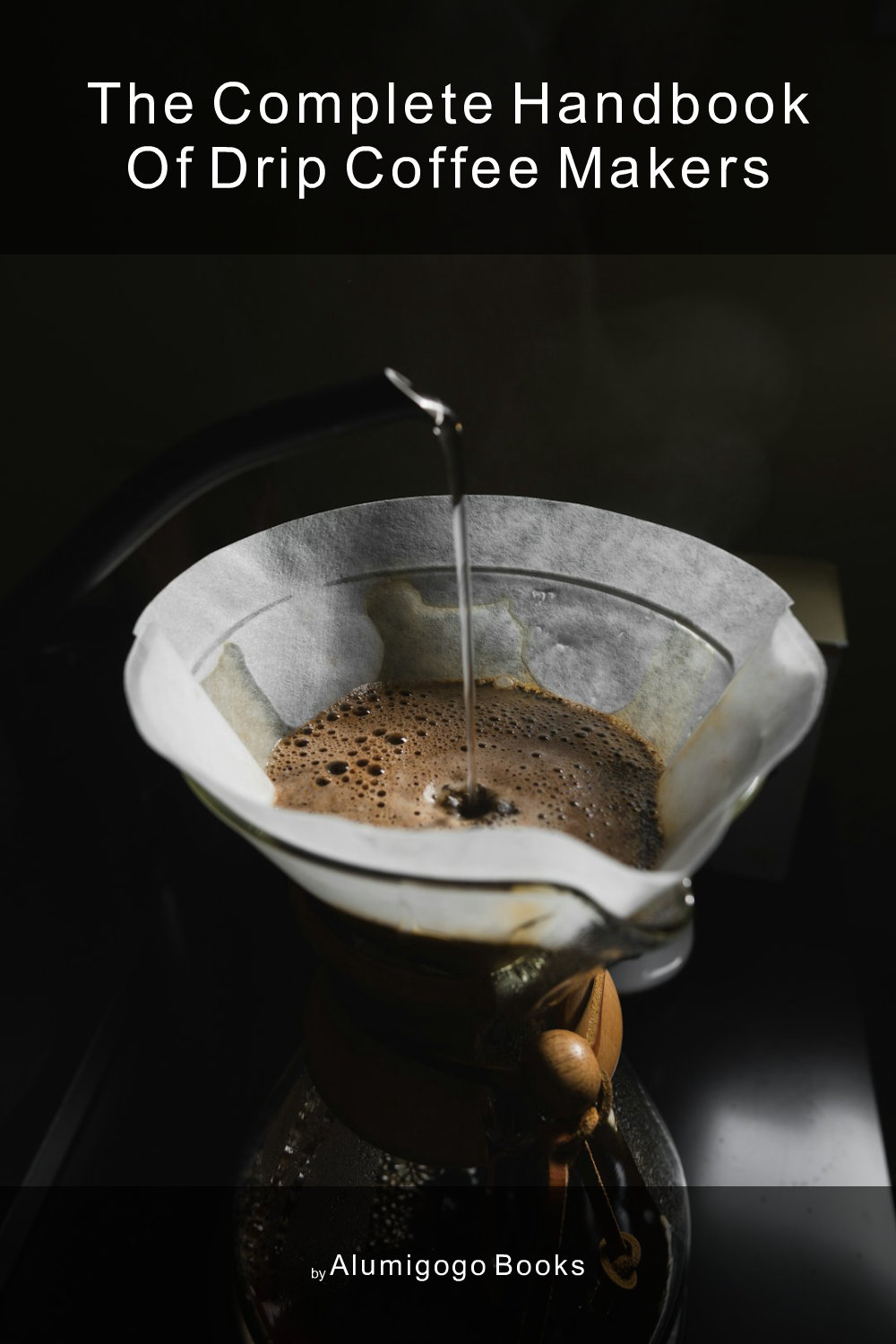
The Complete Handbook of Drip Coffee Makers
Essential Knowledge for Coffee Service Professionals, Facility Managers, and Serious Hobbyists
★★★★★3.8 · 6 reviewsby Alumigogo Books
non-fiction
The complete technical and practical reference for selecting, operating, and maintaining drip coffee makers—written for professionals, not marketers.
🔒Secure checkout via Stripe
Labor Day Sale
$9
About this book
Drip coffee makers are everywhere: in office break rooms, cafes, hotels, hospitals, and homes. Most people use them without understanding how they actually work. Fewer still know how to select the right machine for a specific setting, maintain it properly, or recognize why it's failing.
This handbook treats drip coffee makers as serious equipment deserving serious knowledge. You'll learn the mechanical principles behind water temperature, contact time, and extraction—not as theory, but as concrete factors that affect your results. You'll understand the real differences between machine types and grades, how to evaluate specifications that actually matter, and how to make selection decisions based on volume, space, and quality requirements rather than price or brand loyalty.
Written for coffee service professionals, facility managers, serious home enthusiasts, and entrepreneurs looking to enter the coffee equipment business, this reference covers installation, daily operation, routine maintenance, common failures and fixes, brand and supplier landscape, emerging trends, and practical business opportunities in reselling, servicing, and consulting around drip coffee equipment.
Reader Reviews
Betty Thompson
★★★★★This is solid technical information, and I appreciate that the author doesn't oversimplify how drip brewers actually work. The explanation of thermal mass and contact time in Chapter 1 finally made sense of why my office machine gets inconsistent results. My main complaint is that some sections assume more engineering background than a typical office manager would have—I had to look up TDS and thermal lag on my own. Still, the selection framework in Chapter 3 was worth the price.
Ryan Williams
★★★★★Exactly what I needed before bringing a commercial Bunn into my cafe. The chapter on maintenance protocols saved me from a descaling mistake that probably would have cost me a service call. I wish Chapter 6 had gone deeper into the business model around equipment rentals, but the supplier overview is thorough and the troubleshooting section is genuinely useful. Highly recommend if you're actually responsible for keeping these machines running.
Nancy Thompson
★★★★★I've run a coffee service business for eight years and thought I knew drip makers inside and out. This handbook taught me things I didn't know—especially the history of automatic brew temperature standards and why commercial machines use different heating designs than home models. Chapter 1's explanation of extraction physics is better than anything I've found in trade forums. This is the reference I'll actually keep at my desk and loan to new staff.
Amy Roberts
★★★★★The technical content is excellent and the writing is clear. My issue is that it assumes you're either a business owner or someone who takes coffee seriously—there's no chapter for casual home users just trying to pick a decent $40 machine for occasional use. For that audience, this is overkill. But if you actually depend on your brewer or oversee multiple machines, the selection and maintenance guidance alone justifies buying it.
Jeffrey Thompson
★★★★★This is hands-down the most useful reference I've found on this topic. The whole first chapter—how the machine actually heats water, maintains temperature, and contacts the grounds—gave me a framework for understanding why my troubleshooting steps work or don't work. The business chapter is gold if you're considering a side hustle in coffee equipment. Clear, specific, written by someone who understands both the machines and the people who use them.
Betty Thomas
★★★★★I bought this because I'm setting up a small office coffee program and wanted to make informed decisions instead of just buying whatever the distributor recommended. The book delivers on that—Chapter 3 walked me through my actual requirements and Chapter 4's setup section was genuinely helpful. My only gripe is that the glossary could have been longer and more detailed. Otherwise, exactly what the back cover promises.